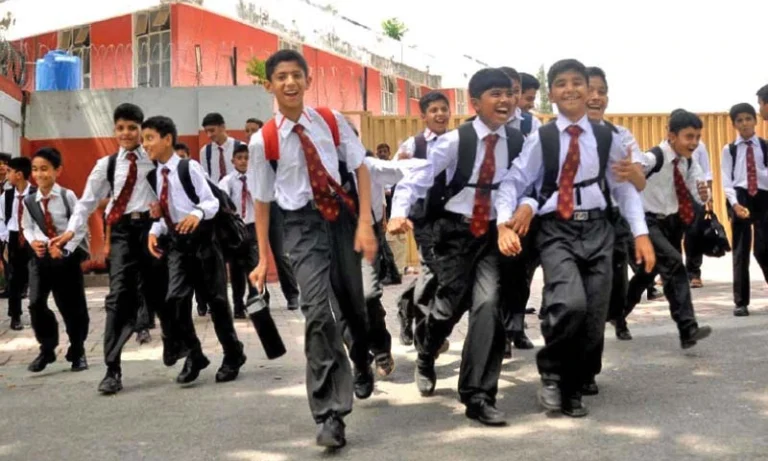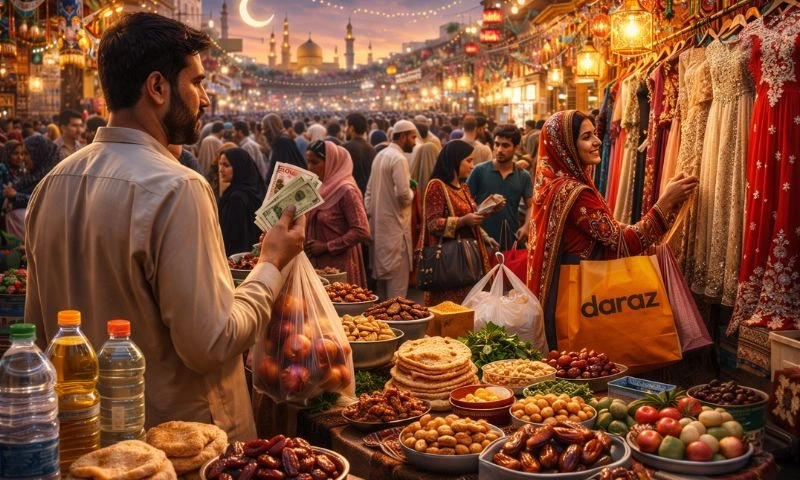
Ramadan is not just a spiritual month in Pakistan. It is also the country’s biggest retail season, stretching from pre-Ramadan stocking to the Eid shopping rush. Ramazan is the busiest month for markets, with household spending rising over 40% above routine levels across social classes.
This demand surge shows up everywhere: packed bazaars, longer traffic jams, and higher online orders. It also changes what people buy. Groceries and kitchen staples lead early. Clothing, footwear, beauty, and gifts peak as Eid gets closer.
What Pakistanis Buy More and Why
Retail demand in Ramadan tends to concentrate in three buckets.
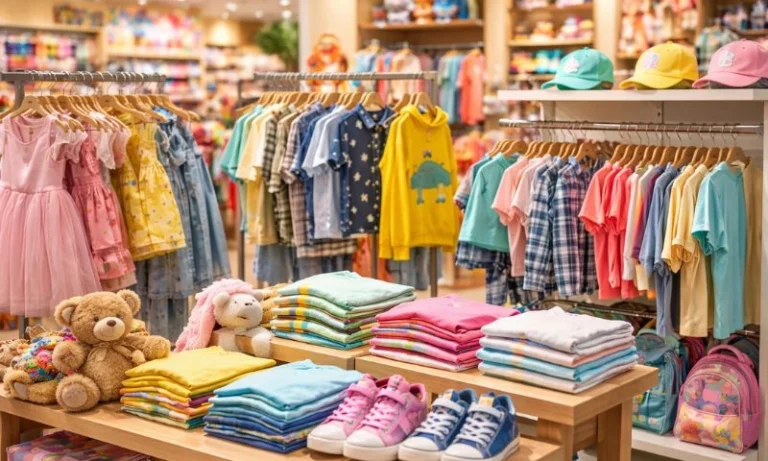
First is food and beverages, driven by iftar hosting and home cooking. Second is charitable giving, which indirectly supports consumption for lower-income households. Third is Eid preparation, which pulls spending into apparel, shoes, accessories, and small home upgrades.
Research shared by the State Bank of Pakistan referencing a published study concluded: “Muslim consumers spend around 40pc more money during the holy month of Ramadan.”
Even when wallets are tight, the seasonal effect stays powerful. In 2023, Reuters reported Pakistan’s Eid retail sales were weaker than usual due to high inflation, with retailers describing a visible drop in buying compared to earlier years.
Read More: Zong vs Ufone vs Jazz: The Ramadan Bundles Everyone Talks About
Subsidies, Price Controls, and the Inflation Factor
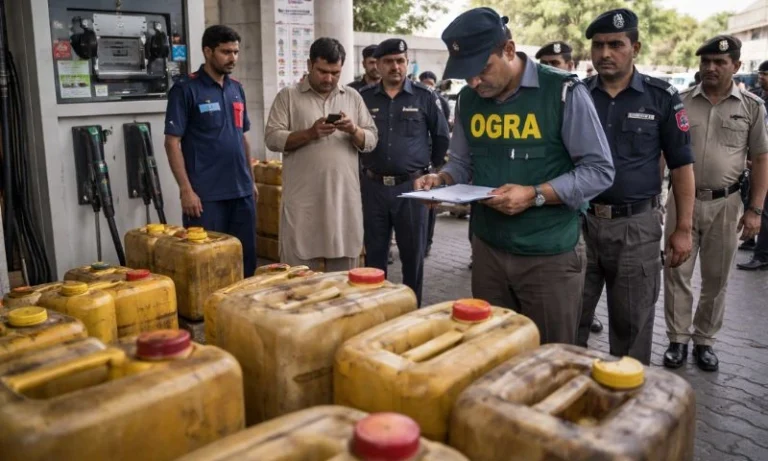
Ramadan also forces the state to respond. In March 2024, the federal government launched a Rs7.5 billion Ramadan relief package, including subsidies on 19 essential items.
But market expansion is not guaranteed. Ajmal Baloch, president of All Pakistan Anjuman-e-Tajiran, said: “Market expansion is a function of citizens’ disposable income and its purchasing power.”
E-Commerce and Payments Get a Ramadan Boost
Digital retail competes hard during Ramadan. Daraz campaigns and flash deals have become a key channel for household and Eid shopping. In Feb 2025, APP reported Daraz Pakistan promoted “grand savings” with discounts up to 80% off, including time-limited deals.
Remittances also help fuel consumption. Reuters, citing Pakistan’s finance ministry outlook, said remittances often rise due to seasonal factors like Ramadan and Eid, as overseas Pakistanis send extra money home.
Read More: The Resilience of Ramadan: How Faith Survives Conflict and Loss
The Bottom Line
Ramadan acts like a national demand shock. It lifts grocery volumes, accelerates Eid retail, and pulls more transactions online. When inflation eases and remittances rise, the retail boom becomes even louder. When prices spike, demand shifts toward discounts, subsidies, and value packs, but the season still dominates Pakistan’s retail calendar.