Lahore is buzzing with excitement and activity as the iconic Basant festival makes its highly anticipated return after nearly 20 years. Long seen as a signature cultural event in Punjab, Basant was banned across the province for safety reasons, but this month the provincial government has allowed a three-day celebration in the city of gardens. The move has sparked both nostalgia and debate among residents, authorities and visitors alike.
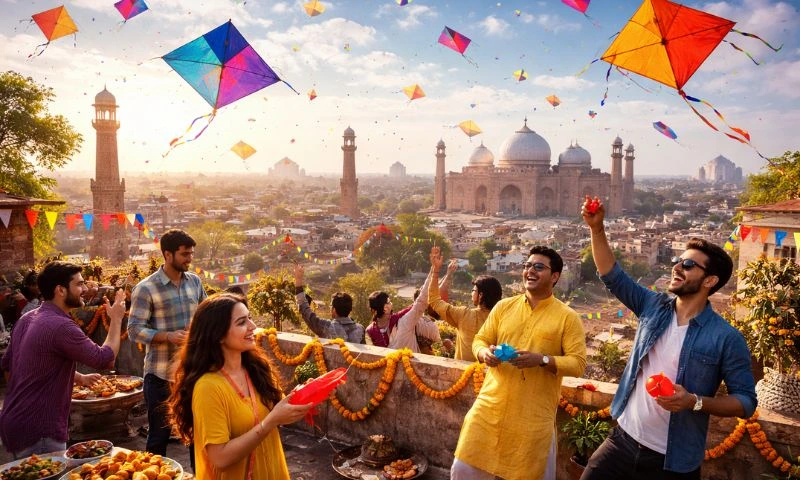
Traditionally held in spring, Basant marked the arrival of brighter weather and was famous for colourful kite flying that filled the skies above rooftops across Lahore. The festival became a symbol of communal joy and local culture, drawing crowds from inside and outside Pakistan.
In preparation, kite markets in the old city have already come alive. Shopkeepers display brightly coloured guddis (kites) and pinnay (kitestring). Soaring demand has pushed prices sharply higher — kites that once sold for Rs200 are now going for nearly double the price, and balls of string cost up to Rs12,000. Rooftop rentals, crucial to Basant celebrations, are being booked at premium rates, with some properties commanding hundreds of thousands of rupees for a few days of festivities.
For many Lahore youth, the upcoming Basant will be an unforgettable first experience. Locals aged in their early twenties grew up hearing tales of bo kata — the triumphant shout when a kite string cuts an opponent’s kite — but never saw the sky filled with colour. Twenty-five-year-old Aayat-i-Noor said: “This will be my very first Basant… Experienced not through words or screens but with my own eyes, and that makes it feel incredibly special.”
Older Lahoris remember the glory years vividly. Businessman Abu Bakr Masood calls Basant “Lahore’s only genuine product,” while 47-year-old Hassan Ejaz Wyne recalls flying kites almost every day during his youth.
This year’s festival is not without new rules. The Punjab Regulation of Kite Flying Act 2025 has been implemented to reduce past dangers — especially from chemical-coated kite strings that caused injuries and deaths. Under the law, violations related to dangerous kite strings can lead to fines of up to Rs5 million or several years in prison. Vendors and manufacturers must register with authorities and affix QR codes to all kite-flying materials.
City authorities are also rolling out safety measures to protect festival-goers. 300 buses and 6,000 auto-rickshaws will provide free transport during the Basant weekend to discourage motorcycle traffic. Officials will install protective steel wires on bicycles and patrol high-risk areas to curb accidents.
While Basant is back in Lahore’s skies, debates continue about extending the celebrations to nearby cities like Rawalpindi, where a kite flying ban remains in place. Some residents deem this unequal, arguing every citizen should celebrate the cultural festival.
As rooftops fill, hotels reach capacity and the skies prepare for a tapestry of colour, Lahore pauses to re-embrace a festival that once defined its spring.