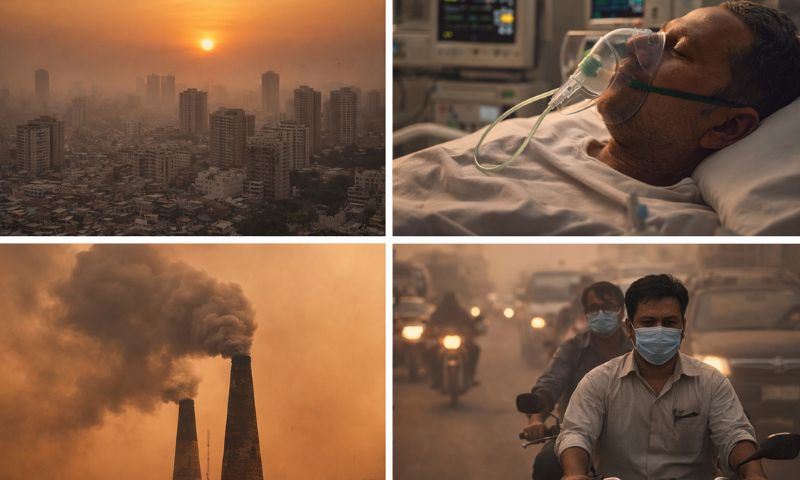
Air pollution used to feel like a seasonal problem—winter smog, traffic fumes, a dusty week. Now it shapes daily life across many cities, especially in South Asia. What makes this crisis different is scale. WHO says 99% of people worldwide breathe air that exceeds its guideline limits.
That’s not just a statistic. It explains why more people feel tired, cough more often, and struggle with headaches on “normal” days. It also explains why doctors keep warning that pollution doesn’t only hit the lungs. It affects the heart, brain, pregnancy outcomes, and long-term life expectancy.
The numbers behind the fear
The latest global health data shows how serious the risk has become.
Air pollution caused 8.1 million deaths globally in 2021, making it the second leading risk factor for death, including for children under five.
In 2021, more than 700,000 deaths in children under 5 were linked to air pollution—about 15% of all global deaths in that age group.
WHO says the combined effects of outdoor and household air pollution link to 6.7 million premature deaths each year.
WHO estimates outdoor air pollution caused 4.2 million premature deaths in 2019, and 89% of these deaths occurred in low- and middle-income countries.
Even when people don’t “feel sick,” fine particles still harm the body. WHO explains that PM2.5 can penetrate deep into the lungs and enter the bloodstream, raising cardiovascular and respiratory risks.
What’s actually in the air?
Air pollution is not one thing. It’s a mix of gases and tiny particles. PM2.5 often causes the most damage because the particles are small enough to reach deep into the body. WHO’s 2021 guideline for annual PM2.5 is 5 µg/m³.
Cities also face nitrogen dioxide (NO₂) from vehicles and industry, plus ozone that forms in sunlight. These pollutants can trigger asthma, worsen COPD, and increase emergency visits.
South Asia’s smog season is becoming a lifestyle season
South Asia sits at the center of the global pollution burden. Dense populations, rapid urban growth, brick kilns, traffic, industrial emissions, and crop burning all collide—then winter weather traps it near the ground.
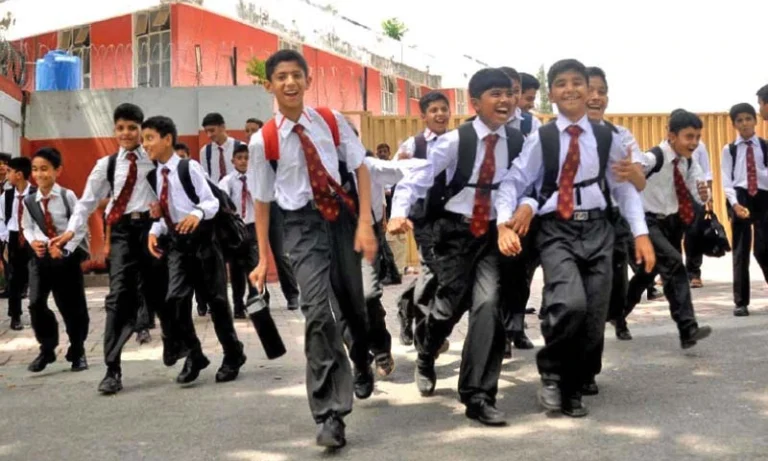
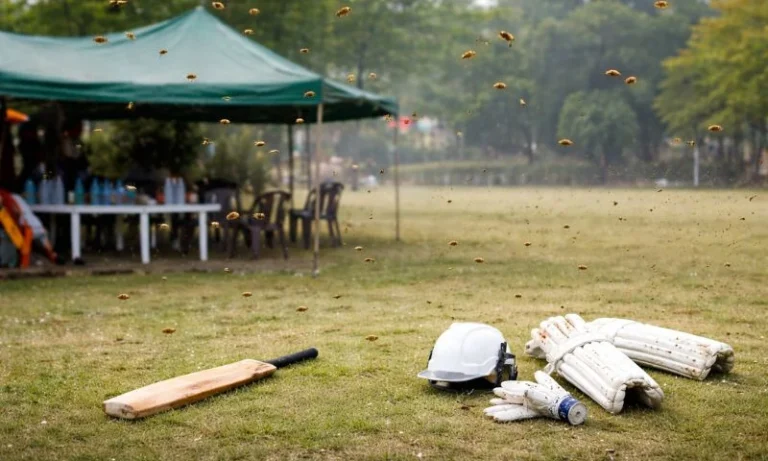
Pakistan shows how quickly pollution can disrupt life. In November 2024, Punjab set up a “smog war room” after Lahore’s AQI surged to 1,165, and authorities shut schools in several areas. Reuters also reported that some districts recorded AQI levels as high as 1,900.
The hidden cost: years of life lost
One of the clearest ways to understand pollution is to measure what it steals: time.
A 2025 Pakistan factsheet from the Air Quality Life Index (AQLI) estimates:
The average Pakistani could live 3.3 years longer if PM2.5 dropped to the WHO guideline.
In Lahore, residents could gain 5.8 years of life expectancy if particulate pollution met the WHO guideline.
From 1998 to 2023, average annual particulate concentrations in Pakistan increased 55.7%, cutting life expectancy by about one additional year.
A separate Reuters report, citing research on South Asia, said rising air pollution can reduce life expectancy by more than five years per person across the region.
Why it feels worse now
Air pollution hits harder today for three simple reasons:
1) More exposure, more often
Cities keep expanding. Traffic grows. Construction dust rises. People spend more time commuting.
2) Heat makes smog angrier
Heat boosts ozone formation and can intensify wildfire smoke. It also raises electricity demand, which can increase emissions when grids rely on fossil fuels.
3) Your body can’t “adapt” to PM2.5
The body can adjust to some discomfort. It cannot build immunity to long-term particle exposure. Fine particles keep causing inflammation and stress inside the body.
What you can do today (without pretending it’s all on you)
WHO is clear: most pollution sources sit beyond individual control, so policy and enforcement matter most.
Still, people can reduce personal exposure—especially on peak-smog days.
At home
Keep windows shut during peak pollution hours.
Use a HEPA air purifier in bedrooms if possible.
Avoid indoor smoke (incense, trash burning, smoky cooking).
Outside
Check air quality before long outdoor time.
Reduce outdoor exercise during severe pollution.
Wear a well-fitted particulate mask on the worst days.
The bigger fixes (the ones that truly change outcomes)
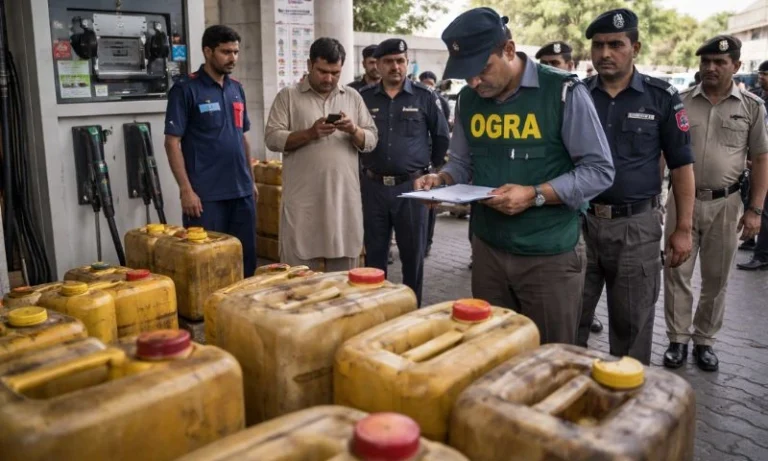
WHO highlights steps that consistently work: cleaner energy, cleaner transport, strong vehicle standards, better waste management, and stopping open burning.
WHO Director-General Dr Tedros framed the urgency like this: “Current energy concerns highlight the importance of speeding up the transition to cleaner, healthier energy systems.”
And WHO’s Dr Maria Neira added: “After surviving a pandemic, it is unacceptable to still have 7 million preventable deaths and countless preventable lost years of good health due to air pollution.”
The bottom line
Breathing should be automatic. In many places, it now carries risk. The science is not vague anymore. The deaths, the hospital visits, and the life years lost have names and numbers. For South Asia and for Pakistan clean air is no longer only an environmental goal. It’s a public health emergency that shows up in daily routines, school calendars, budgets, and lifespans.