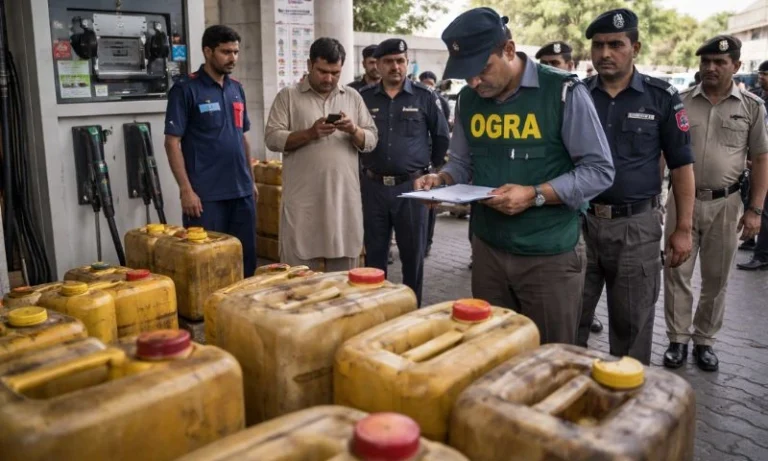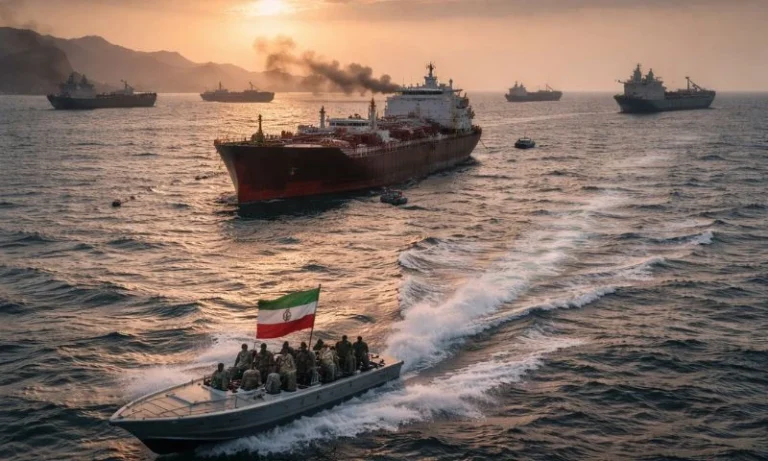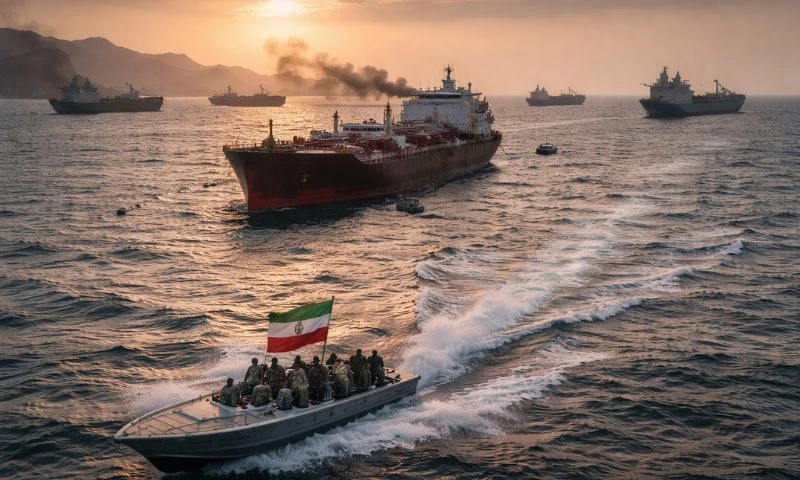
The ongoing conflict involving Iran, United States and Israel has triggered one of the most serious global energy crises in recent years. Following military strikes by the United States and Israel on Iranian targets in late February 2026, Iran responded by shutting down shipping through the Strait of Hormuz, a critical maritime route for global oil transport.
Iran’s Revolutionary Guards warned vessels that no ships would be allowed to pass through the strait and threatened to attack tankers attempting to cross. Several oil tankers have been struck or damaged in the area, and maritime traffic has dropped sharply as shipping companies avoid the region due to safety concerns.
The conflict has already shaken global energy markets. Oil prices have surged and governments worldwide are preparing for potential fuel shortages if the crisis continues.
Why the Strait of Hormuz Is So Important
The Strait of Hormuz is one of the most strategic waterways in the world. It connects the Persian Gulf with the Gulf of Oman and the Arabian Sea and serves as the main export route for oil and liquefied natural gas produced in the Gulf region.
Roughly 20 percent of the world’s oil supply moves through this narrow passage, making it the most important oil chokepoint in global trade.
Major oil exporters including Saudi Arabia, Iraq, Kuwait, the United Arab Emirates and Qatar depend heavily on this route to ship their energy supplies to global markets. Asian economies such as China, India, Japan and South Korea are especially reliant on oil transported through the strait.
Because there are few viable alternative routes, disruptions in the strait can quickly lead to higher fuel prices and supply shortages worldwide.
Lessons From Past Energy Crises
History shows that geopolitical conflicts can trigger sudden energy shortages. During the 1973 Arab oil embargo, oil producing nations cut exports to Western countries, causing severe fuel shortages and economic disruptions.
Similarly, during the Iran Iraq War in the 1980s, attacks on oil tankers in the Persian Gulf disrupted global energy trade.
In response, many countries adopted strategies such as fuel conservation, energy diversification and strategic petroleum reserves. These lessons remain relevant today as the world faces another potential energy crisis.
Five Practical Ways to Reduce Fuel Consumption
While governments work to stabilize energy supply, countries can take several practical steps to reduce fuel consumption and ease pressure on global markets.
1. Expand Remote Work and Online Education
One of the fastest ways to reduce fuel consumption is to cut daily commuting. Governments can encourage remote working policies in both public and private sectors. Schools and universities can shift temporarily to online learning.
During the Covid 19 pandemic, remote work significantly reduced transportation fuel demand in many countries.
2. Improve Public Transport Use
Encouraging people to use buses, trains and metro systems can drastically reduce fuel consumption. Governments may introduce temporary incentives such as reduced fares or expanded public transport routes.
Many countries adopted this approach during previous energy crises.
3. Promote Carpooling and Shared Mobility
Carpooling and ride sharing programs can reduce the number of vehicles on roads. Cities can encourage workers to share rides to workplaces and limit unnecessary travel.
Even a small reduction in private vehicle usage can significantly lower national fuel demand.
4. Accelerate Renewable Energy Projects
The crisis highlights the importance of renewable energy sources such as solar, wind and hydropower. Expanding these alternatives can reduce reliance on imported fossil fuels and improve long term energy security.
Countries investing heavily in renewable energy will be less vulnerable to geopolitical disruptions.
5. Launch Nationwide Energy Conservation Campaigns
Governments can promote simple energy saving practices such as reducing unnecessary travel, limiting electricity usage and improving fuel efficiency in transport.
Public awareness campaigns during past oil crises helped reduce national energy demand significantly.
Preparing for a New Energy Reality
The closure of the Strait of Hormuz demonstrates how vulnerable global energy supply chains remain to geopolitical tensions. If the disruption continues, fuel prices could rise further and economic pressures may increase worldwide.
Experts say the crisis should serve as a wake up call for governments to invest in energy diversification, conservation and long term sustainability.
While geopolitical conflicts are difficult to predict, smarter energy policies and reduced fuel dependence can help countries weather future crises.