

The ICC Men’s T20 World Cup, scheduled to be held from February 7 to March 8, 2026, and co-hosted by India and Sri Lanka, has been surrounded by a series of off-field controversies in the build-up to the tournament, raising questions about logistics, governance, and preparedness. Pakistan’s India Travel Stance Shapes Tournament Planning Pakistan’s participation in the tournament has once again been influenced by its long-standing position of not travelling to India due to strained bilateral relations. As a result, Pakistan’s matches have been scheduled in Sri Lanka, continuing the neutral-venue arrangement previously adopted by the International Cricket Council for ICC events hosted in India. While this decision ensures Pakistan’s participation, it has also reinforced the perception that the tournament’s operational planning is being shaped as much by geopolitical realities as by sporting considerations. Bangladesh Refusal Leads to Scotland’s Inclusion A major controversy emerged when Bangladesh refused to travel to India for its scheduled matches, citing security concerns. According to Reuters, Bangladesh requested that its matches be relocated to Sri Lanka, the co-host nation. The ICC, however, rejected the request after stating that independent security assessments had found no credible threat. Following Bangladesh’s continued refusal, the ICC announced on January 24, 2026, that Scotland would replace Bangladesh in the tournament. The move clarified that Scotland’s inclusion was not part of an expansion of the event, but rather a replacement necessitated by Bangladesh’s non-participation. Visa Delays Raise Concerns for Players of Pakistani Heritage Visa-related delays emerged as another significant point of concern in the build-up to the tournament, particularly affecting players with Pakistani heritage. According to ESPNcricinfo, Scotland received assurances from the ICC that efforts were under way to facilitate visas for its squad, yet uncertainty persisted as the tournament approached. Attention was specifically drawn to Safyaan Sharif, whose situation became emblematic of the broader issue. Sharif, a Scotland international of Pakistani heritage, was reported to be awaiting visa clearance, raising concerns within the Scotland camp about preparation, travel timelines, and potential last-minute disruptions. The issue has not been limited to a single player or team. Reports have indicated that visa delays have affected individuals of Pakistani origin involved in cricketing activities linked to India in various contexts, including players representing other countries and officials connected to ICC events. These delays have contributed to unease among teams and boards ahead of a major international tournament partially hosted in India. While no official discrimination has been alleged by the ICC, the recurring visa uncertainties have highlighted the administrative challenges faced by players with Pakistani backgrounds when travelling to India. The situation has also drawn attention to the reliance on diplomatic and consular processes for sporting participation in politically sensitive environments. For the ICC, the matter has added another layer of complexity to tournament operations. Although assurances have been provided regarding visa facilitation, the delays have reinforced concerns about equal access, logistical fairness, and timely clearances for all participating players — particularly in an event that is meant to operate under neutral and inclusive principles. Accreditation Dispute Involving Bangladeshi Journalists The controversy extended beyond players to media access. Bangladeshi outlets reported that journalists seeking to cover the tournament were denied accreditation. The Daily Star reported that accreditation applications from Bangladeshi journalists had been rejected. Indian media later carried the ICC’s response, which described the situation as a reworking of the accreditation process following criticism and public backlash. Nipah Virus Adds a Public Health Dimension Adding to the list of concerns, reports of Nipah virus cases in India have introduced a public health dimension to the tournament’s lead-up. UK government health monitoring reported two confirmed Nipah cases on January 13, 2026, in Kolkata, with investigations ongoing. International health reporting has highlighted heightened alert measures and the virus’s high fatality risk, as cited by global health authorities. At present, however, the situation remains classified as a health concern requiring vigilance, rather than a disruption to the tournament. No official announcement has been made indicating any alteration to the event’s schedule due to the outbreak. While the tournament is set to proceed as scheduled, the narrative surrounding the T20 World Cup 2026 has already been shaped by a series of controversies that continue to draw scrutiny from cricket boards, players, and media organisations worldwide.
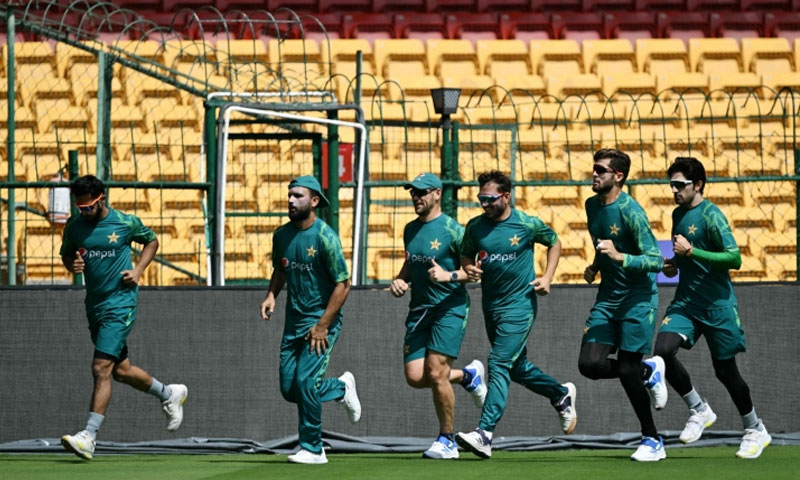
PCB Hits Pause on T20 World Cup Preparations as Bangladesh Issue Remains Unresolved
Growing uncertainty over Bangladesh’s participation in the ICC Men’s T20 World Cup has prompted the Pakistan Cricket Board (PCB) to halt preparations for the national team, media reports said, weeks ahead of the tournament in India and Sri Lanka. Media reports, citing informed sources, said Pakistan’s team management has been told that a formal briefing will be held later to outline the next steps. Officials have also been directed to develop a contingency plan should Pakistan ultimately decide not to take part in the event. According to the reports, Pakistan has expressed full support for Bangladesh’s reluctance to travel to India, describing the neighbouring country’s security concerns as “reasonable and valid.” Sources added that Islamabad could reassess its own participation if the matter remains unresolved. Officials were quoted as saying that no country should be pressured or coerced regarding hosting duties or participation decisions in international tournaments. Earlier media reports suggested that Pakistan has begun internally reviewing its position on the World Cup, linking its participation to how Bangladesh’s concerns are addressed by tournament organisers. PCB Offers to Host Matches On January 11, the PCB publicly offered to host Bangladesh’s matches if Sri Lankan venues are unavailable. Board officials said Pakistan’s grounds are fully prepared to stage World Cup fixtures, pointing to the country’s recent experience of hosting major ICC events, including the Champions Trophy 2025 and the ICC Women’s Qualifier. Ireland Confirms Schedule Will Not Change In a related development, Cricket Ireland clarified that the International Cricket Council will not shift Ireland’s group-stage matches from Sri Lanka, dismissing speculation that Bangladesh could be moved to a different group due to travel concerns. “We’ve received definitive assurances that we won’t move from the original schedule. We’re definitely playing the group stage in Sri Lanka,” a Cricket Ireland official was quoted as saying. Bangladesh’s Decision Expected Soon A final decision on Bangladesh’s participation—particularly regarding travel to India—is expected by January 21, following recent discussions between the ICC and the Bangladesh Cricket Board in Dhaka. During their second meeting within a week, BCB officials reportedly reaffirmed Bangladesh’s willingness to compete in the tournament but expressed a preference for playing matches outside India. Sri Lanka was proposed as a potential alternative venue. The ICC has maintained that the tournament schedule will remain unchanged. Under the current fixtures, Bangladesh are placed in Group C and are scheduled to open their campaign against West Indies in Kolkata, followed by two additional group matches at the same venue before concluding the group stage in Mumbai. ICC officials have reportedly informed the BCB that there is no specific security threat to the Bangladesh team in India. Replacement Scenario Considered Should Bangladesh ultimately decide against travelling to India, media reports indicate that the ICC may nominate a replacement team, with Scotland currently next in line based on international rankings.
