

Iranian Foreign Minister Abbas Araghchi’s visit to Islamabad has emerged as a significant diplomatic moment, with high-level meetings held in the Pakistani capital and renewed momentum building around efforts to revive dialogue between the United States and Iran. The visit, which comes amid a fragile ceasefire and ongoing tensions, saw Araghchi engage with Pakistan’s top civil and military leadership, focusing on regional stability and the future of negotiations. High-Level Meetings and Key Discussions During his stay, Araghchi met Deputy Prime Minister and Foreign Minister Ishaq Dar, as well as Chief of Army Staff Field Marshal Asim Munir. Officials said the talks centered on regional security, ceasefire developments and the prospects for restarting formal negotiations between Washington and Tehran. Pakistan’s Foreign Office said discussions included “ongoing efforts for regional peace and stability,” underscoring Islamabad’s role as a facilitator in the evolving diplomatic landscape. Araghchi reiterated Iran’s position on dialogue, stressing that meaningful negotiations depend on addressing core concerns, particularly sanctions and security guarantees. The visit also built on earlier diplomatic contacts, including recent exchanges between Pakistani and Iranian leadership, as well as Islamabad’s outreach to Washington. Read More: US Plans Iran Talks in Islamabad as Tehran Declines Further Negotiations Pakistan’s Mediation Role Strengthens The visit has reinforced Pakistan’s position as a key intermediary between the two sides. Officials familiar with the discussions said messages and proposals were exchanged during the meetings, aimed at narrowing differences and identifying possible areas of compromise. Pakistan has already hosted previous rounds of indirect talks between US and Iranian officials, and preparations for another round in Islamabad remain under consideration. Diplomatic sources said Araghchi’s visit helped clarify Iran’s stance on several issues, while also allowing Pakistan to convey the latest developments from the US side. Observers note that Islamabad’s involvement has created a rare channel of communication between the two adversaries, particularly at a time when direct engagement remains limited. 🔊PR No.1️⃣0️⃣8️⃣/2️⃣0️⃣2️⃣6️⃣ Visit of the Iranian Delegation to Pakistan 🔗⬇️ pic.twitter.com/6FtrwOCbou — Ministry of Foreign Affairs – Pakistan (@ForeignOfficePk) April 24, 2026 Read More: Islamabad Back In Focus As US, Iran Plan Next Round Of Talks Aftermath and What Comes Next Following the visit, there are signs of cautious optimism, but no immediate breakthrough has been announced. Both sides appear willing to continue dialogue, though significant gaps remain on key issues. Iran has maintained a careful approach, indicating that it is open to talks but only under conditions it considers fair. Meanwhile, US officials have signaled readiness to engage, with potential travel by negotiators to Islamabad still under discussion. Analysts say the visit has helped keep diplomatic channels active at a critical juncture, especially as the ceasefire timeline continues to create pressure for progress. While expectations of a quick agreement remain low, the outcome of Araghchi’s visit suggests that the negotiation process is still alive, with Pakistan continuing to play a central role in bridging differences. The coming weeks are expected to determine whether the momentum generated during the visit can translate into formal talks or whether the process will face further delays.
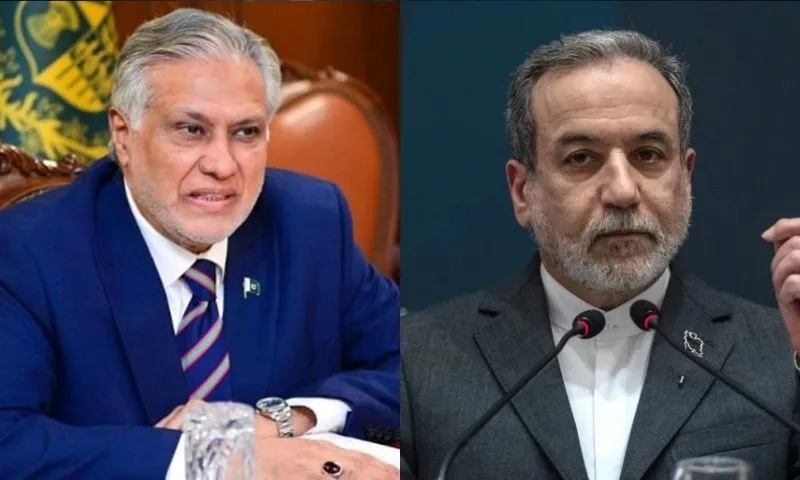
Iran Thanks Pakistan for Mediation, Denies Refusing Talks
Iran has expressed strong appreciation for Pakistan’s diplomatic efforts in mediating the ongoing conflict in the Middle East, while firmly rejecting reports that it refused to participate in talks hosted in Islamabad. Iranian Foreign Minister Abbas Araghchi said his country is “deeply grateful to Pakistan” for its role in facilitating dialogue amid the escalating US-Israel war against Iran. Iran Denies Refusing Islamabad Talks The Iranian foreign minister directly addressed reports suggesting Tehran had declined to attend mediation talks in Pakistan, calling such claims misleading. “Iran’s position is being misrepresented by U.S. media,” Araghchi said in a statement. He added, “We are deeply grateful to Pakistan for its efforts and have never refused to go to Islamabad.” According to officials, Islamabad was being considered as a key venue for potential negotiations between the United States and Iran, with preparations underway before talks were delayed at the last moment due to internal consultations by both sides. Pakistan’s Role as Mediator Gains Recognition Pakistan has emerged as a significant diplomatic bridge in the ongoing conflict, offering to host talks and engaging with multiple stakeholders to de-escalate tensions. Deputy Prime Minister and Foreign Minister Ishaq Dar welcomed the clarification from Tehran, saying it countered what he described as “false propaganda” about Pakistan’s role. Dar emphasised that Pakistan’s outreach reflects its commitment to peace and stability, positioning the country as an “honest broker” in a highly volatile regional environment. Pakistan has been actively engaged in shuttle diplomacy, coordinating with global and regional powers to bring both sides to the negotiating table. Truly appreciate your clarification, my Dear Brother @Araghchi. 🇵🇰 🤝 🇮🇷 https://t.co/reptX11LQa — Ishaq Dar (@MIshaqDar50) April 4, 2026 Iran Calls for “Conclusive and Lasting” End to War While expressing openness to dialogue, Iran made it clear that any negotiations must lead to a meaningful and lasting resolution. Araghchi stressed that Tehran is focused on securing “a conclusive and lasting END to the illegal war that is imposed on us.” This reflects Iran’s broader stance that any ceasefire or agreement must address its core concerns, including security guarantees and an end to hostilities. Mediation Efforts Face Challenges Amid Ongoing Conflict Despite Pakistan’s efforts, mediation attempts have faced significant challenges. Reports indicate that negotiations between the US and Iran have narrowly missed breakthroughs on multiple occasions, highlighting the complexity of the conflict and deep differences between the parties. The war, which began in late February, has escalated rapidly, involving regional actors and triggering global economic and security concerns. Pakistan’s diplomatic initiative is seen as part of a broader international effort to prevent further escalation and bring stability to the region. Growing Importance of Diplomacy in Regional Stability The Iranian foreign minister’s statement underscores the growing importance of diplomatic channels in resolving the crisis. With tensions remaining high and military operations ongoing, mediation efforts led by countries like Pakistan are increasingly seen as critical to avoiding a wider regional conflict. Analysts say Pakistan’s role as a neutral facilitator could enhance its global diplomatic standing, even as the path to peace remains uncertain.
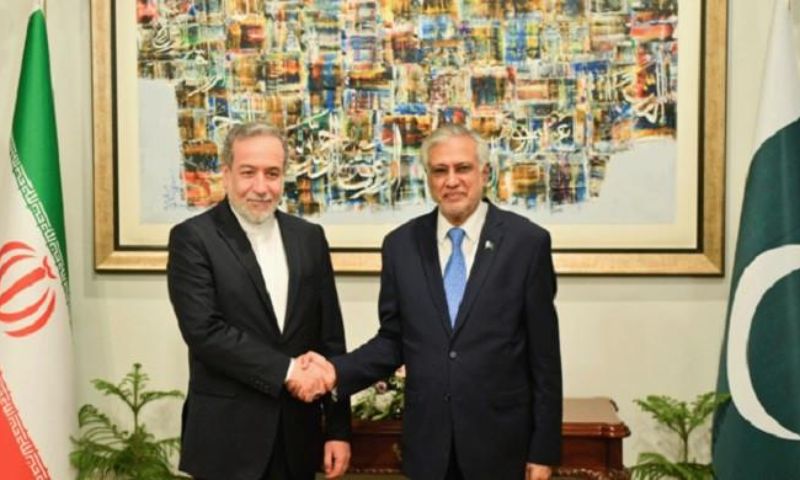
Iran Allows 20 Pakistani Ships Through Hormuz in Major Breakthrough
B6Pakistan has received a major boost amid ongoing regional tensions, as Iran has agreed to allow 20 additional Pakistani-flagged ships to pass through the strategically vital Strait of Hormuz, in what officials describe as a positive step toward stability. Deputy Prime Minister and Foreign Minister Ishaq Dar announced the development, saying the arrangement would allow two Pakistani ships to cross the strait daily. “I am pleased to share a great news that the Government of Iran has agreed to allow 20 more ships under the Pakistani flag to pass through the Strait of Hormuz; two ships will cross the Strait daily,” Dar said in a post on X. A ‘Constructive Gesture’ Amid Tensions Dar described Tehran’s move as a significant diplomatic breakthrough at a time when the Strait of Hormuz has become a major flashpoint due to escalating conflict in the region. “This is a welcome and constructive gesture by Iran and deserves appreciation. It is a harbinger of peace and will help usher stability in the region,” he said. He added, “This positive announcement marks a meaningful step toward peace and will strengthen our collective efforts in that direction.” Emphasising the importance of diplomacy, Dar said, “Dialogue, diplomacy, and such confidence-building measures are the only way forward.” Read More: After 5-Day Pause, US President Donald Trump Extends Iran Attack Halt by 10 More Days Strategic Importance of the Strait of Hormuz The Strait of Hormuz is one of the world’s most critical maritime chokepoints, handling nearly 20 percent of global oil trade. The ongoing conflict between Iran, the United States, and Israel has significantly disrupted shipping through the strait, with attacks on vessels and warnings from Iranian forces leading to a sharp drop in maritime traffic. At one point, tanker traffic fell drastically, and hundreds of ships were left stranded or delayed due to safety concerns and rising insurance costs. Relief for Pakistan’s Energy and Trade Routes Pakistan relies heavily on maritime routes through the Gulf for energy imports, with nearly 90 percent of its oil supplies transported via these waters. The disruption had raised fears of fuel shortages and economic pressure, prompting Islamabad to take emergency measures and launch a naval operation to secure shipping routes. The latest agreement with Iran is expected to ease some of these concerns, allowing Pakistani vessels to resume operations under controlled conditions. Read More: PM Shehbaz Sharif offers to host US-Iran talks, Donald Trump re-shares proposal Part of Broader Regional Dynamics The development comes as Iran has selectively allowed ships from friendly or neutral countries to pass through the strait while restricting others amid the conflict. Pakistan has also positioned itself as a diplomatic intermediary in the crisis, engaging with regional and global stakeholders to promote dialogue and de-escalation. Read More: PM Shehbaz Sharif offers to host US-Iran talks, Donald Trump re-shares proposal Analysts say the move signals a cautious easing of tensions and could pave the way for further confidence-building measures in the region.
