
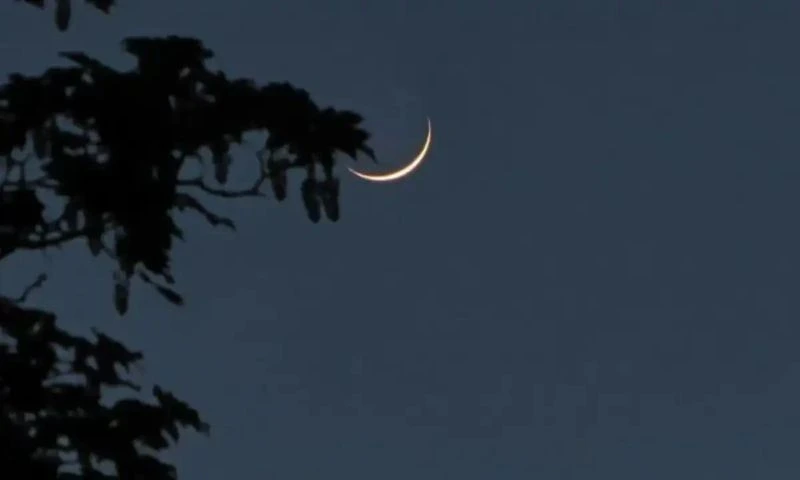
Pakistan is likely to celebrate Eid ul Adha on May 27 after SUPARCO forecast strong chances of sighting the Zil Hajj moon on May 17. The national space agency released preliminary astronomical projections on Tuesday regarding the start of Zil Hajj 1447 Hijri. SUPARCO said atmospheric and astronomical conditions may support moon visibility in several parts of the country on the evening of May 17. A spokesperson said, “The age of the new moon at the time of sunset on May 17 will be approximately 18 hours and 30 minutes.” The official added that astronomers generally consider such conditions suitable for crescent visibility. SUPARCO also said the moon will likely be born at 1:01am on May 17. The spokesperson said coastal regions may offer clearer viewing conditions than inland areas. “The gap between sunset and moonset in coastal areas is expected to remain around 60 minutes, which significantly improves the probability of the moon being visible,” the spokesperson added. Based on these projections, Pakistan may begin Zil Hajj on Monday, May 18. The country will likely celebrate Eid ul Adha on Wednesday, May 27. However, SUPARCO clarified that the Central Ruet-e-Hilal Committee will make the final announcement. Ruet-e-Hilal Committee to announce official decision Pakistan follows the Islamic lunar calendar, which depends on crescent sightings. The Central Ruet-e-Hilal Committee usually meets before major Islamic occasions, including Ramadan and both Eids. Religious scholars, meteorologists and SUPARCO officials attend these meetings. They review eyewitness accounts and scientific data before announcing the official decision. Pakistan has increased the use of astronomical forecasts during moon sighting discussions in recent years. SUPARCO now regularly issues visibility projections before important Islamic months. Saudi Arabia and several Gulf countries will also begin moon observations around the same time. If Saudi authorities sight the crescent on May 17, the kingdom may celebrate Eid ul Adha on May 26. Pakistan often marks the festival a day later because geographical conditions affect moon visibility. Eid preparations gain momentum across Pakistan Preparations for Eid ul Adha have already started in several cities. Livestock markets have begun operating in Karachi, Lahore and Islamabad ahead of the festival. Local administrations are also preparing security, sanitation and traffic management plans. Eid ul Adha commemorates Prophet Ibrahim’s willingness to sacrifice his son in obedience to God’s command. Muslims around the world celebrate the occasion by offering animal sacrifices and sharing meat with relatives and the needy.
Moon Not Sighted: Pakistan, India, Bangladesh Set for Saturday Eid
Pakistan will celebrate Eid ul Fitr on Saturday, March 21, 2026, after the Shawwal moon was not sighted in the country. The announcement was made by the Central Ruet-e-Hilal Committee, which met in Islamabad under the chairmanship of Maulana Abdul Khabir Azad to observe the crescent moon. After reviewing reports from across the country, the committee confirmed that no credible moon sighting was received. As a result, Ramadan will complete 30 days and Eid ul Fitr will be observed on Saturday. The Ruet-e-Hilal Committee is the official body responsible for announcing Islamic months in Pakistan, based on verified moon sighting testimonies from different regions. Earlier, astronomical forecasts by the Pakistan Meteorological Department and SUPARCO had also indicated that the chances of moon sighting on March 19 were very low, making March 21 the likely date for Eid. Regional Countries Also Set for Saturday Eid Several countries in South and Southeast Asia are also expected to celebrate Eid on Saturday, March 21, due to similar moon sighting conditions. India has confirmed Eid on March 21 after the crescent moon was not sighted. Bangladesh is also likely to mark Eid on Saturday following the completion of 30 days of Ramadan, while Indonesia and Malaysia are expected to observe the festival on the same day based on local moon sighting and astronomical calculations. These countries traditionally announce Eid based on local moon visibility, which often results in a one-day difference compared to Gulf nations. Moon Sighting Tradition Remains Key Eid ul Fitr marks the beginning of Shawwal, the tenth month of the Islamic calendar, which is based on lunar cycles. The festival is determined by the sighting of the crescent moon, making local observations crucial in deciding the exact date. With Pakistan and several regional countries aligning on Saturday, millions of Muslims will celebrate the end of Ramadan together with Eid prayers, family gatherings, and festive traditions.
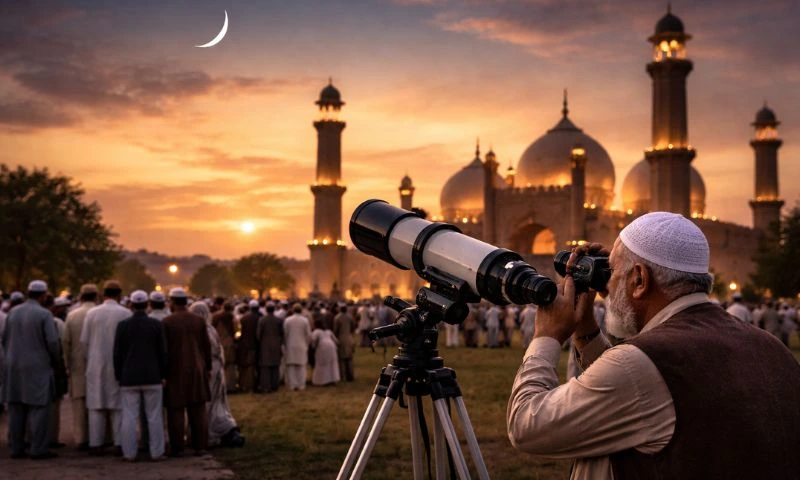
Pakistan Prepares for Eid as Public Holidays Announced
The federal government of Pakistan has officially announced public holidays for Eid ul Fitr 2026, allowing citizens across the country to celebrate the end of Ramadan with family and loved ones. According to a notification issued by the Cabinet Division, Prime Minister Shehbaz Sharif has approved Friday, March 20, and Saturday, March 21, 2026, as public holidays for the occasion of Eid ul Fitr. The holidays will apply to government offices and institutions observing both five-day and six-day working weeks. The announcement enables public and private sector employees to prepare for one of the most important Islamic festivals, which marks the end of the holy month of fasting. Eid expected on March 21 Experts believe Eid ul Fitr is likely to be observed on March 21, 2026, assuming Ramadan completes the full 30 days. The Pakistan Space and Upper Atmosphere Research Commission (SUPARCO) has released astronomical calculations regarding the appearance of the Shawwal moon. According to SUPARCO, “The new moon of Shawwal 1447 AH is expected to be born on March 19, 2026, at 06:23 PST.” The agency further explained that by sunset on March 19 the moon would be approximately 12 hours and 41 minutes old, with an estimated 28-minute gap between sunset and moonset along Pakistan’s coastal regions. However, the final confirmation of Eid will depend on the official moon sighting announcement. Ruet-e-Hilal Committee to make final decision Despite the astronomical predictions, the Central Ruet-e-Hilal Committee will make the official announcement after evaluating moon sightings across the country. The committee traditionally meets on the evening of the 29th day of Ramadan to receive testimony from various regions regarding the sighting of the Shawwal crescent. If the moon is sighted on March 19, Eid will fall on March 20. If not, Ramadan will complete 30 days and Eid will be celebrated on March 21. Moon sighting remains an important religious and cultural tradition in Pakistan, where the announcement is closely followed by millions of citizens. Travel preparations begin across the country With the Eid holidays approaching, preparations for travel and celebrations have already started nationwide. Public transport services are experiencing increasing demand as people plan trips to their hometowns. To facilitate travellers during the festive season, Pakistan Railways has announced the operation of four special Eid trains on major routes across the country. According to railway officials, the special trains will operate between cities including Lahore, Karachi, Quetta, Rawalpindi and Peshawar, helping accommodate the surge in passenger traffic during the holiday period. Authorities say the additional train services aim to ensure safe, timely and convenient travel for passengers heading home for Eid celebrations. Eid preparations underway Eid ul Fitr marks the end of Ramadan, the month of fasting observed by Muslims worldwide. The festival is celebrated with congregational prayers, charity, family gatherings and festive meals. Markets across Pakistan usually witness a sharp rise in shopping activity during the final days of Ramadan, with people purchasing clothes, gifts and food items in preparation for the holiday. The government’s announcement of Eid holidays helps businesses, travellers and families plan their schedules ahead of the celebrations.
