
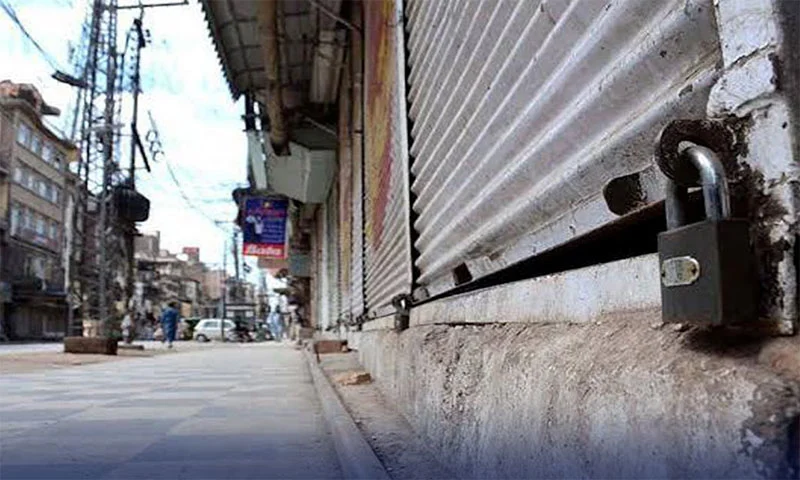
The federal government has decided not to impose a nationwide smart lockdown after provincial governments opposed the proposal during a high-level meeting held at Aiwan-e-Sadr in Islamabad. The decision came amid growing concerns over the global energy crisis triggered by the ongoing Middle East conflict, which had initially prompted authorities to consider restrictive measures to conserve fuel and manage economic pressures. Provinces Oppose Nationwide Restrictions The proposal for a smart lockdown was discussed during a consultative session chaired by President Asif Ali Zardari, attended by Prime Minister Shehbaz Sharif, federal ministers, and provincial leadership. However, media reports revealed that provincial administrations raised objections to the plan, leading to its eventual rejection. Following the discussions, it was agreed that instead of imposing restrictions, a coordinated national strategy would be adopted to tackle economic challenges and ensure stability. Khyber Pakhtunkhwa Chief Minister Sohail Afridi also confirmed that no decision had been taken to enforce a lockdown, citing differing views among provinces. Focus Shifts to Relief and Stability The meeting focused on maintaining fuel supply, controlling inflation, and reducing the impact of rising global energy prices on citizens. Officials informed participants that despite disruptions in global markets, Pakistan’s fuel supply remains uninterrupted and reserves are adequate to meet current and future needs. President Zardari emphasized the importance of protecting vulnerable segments of society, directing authorities to accelerate relief measures and ensure that economic hardship is minimized. “No economically vulnerable segment will be left unsupported,” the meeting was told, highlighting the government’s focus on public welfare. Austerity and Fuel-Saving Measures Continue Although the smart lockdown proposal has been scrapped, the government is continuing with austerity measures to reduce fuel consumption and manage economic pressure. Prime Minister Shehbaz Sharif reiterated the importance of his “Savings and Simplicity” campaign, which includes reducing government expenditure, cutting development spending, and grounding 60 percent of official vehicles. Authorities also confirmed that proposals to increase fuel prices had been rejected, with savings redirected toward public relief initiatives. Additional measures include increased levies on high-octane fuel used by luxury vehicles, while jet fuel prices have been kept unchanged to avoid burdening critical sectors such as aviation. Earlier Plans and Public Confusion The decision comes days after widespread speculation about a possible smart lockdown, fueled by fake notifications circulating on social media. Earlier proposals under consideration included early market closures, limits on wedding gatherings, and remote work policies aimed at reducing energy consumption. However, the government had already clarified that no official notification had been issued regarding such restrictions. Diplomatic and Regional Context The meetings also addressed regional security concerns, with Foreign Minister Ishaq Dar briefing participants on Pakistan’s diplomatic engagement with countries such as Turkey, Saudi Arabia, and Egypt. Efforts are ongoing to maintain regional stability and manage the economic fallout of the crisis, particularly as global oil prices remain volatile. A Coordinated Path Forward The government has opted for a coordinated, non-restrictive approach, focusing on economic resilience rather than imposing nationwide limitations. With adequate fuel reserves and continued austerity measures in place, officials believe Pakistan can navigate the crisis without resorting to lockdowns. The decision reflects a balance between economic stability and public convenience, as authorities aim to shield citizens from the worst effects of the global energy crisis.
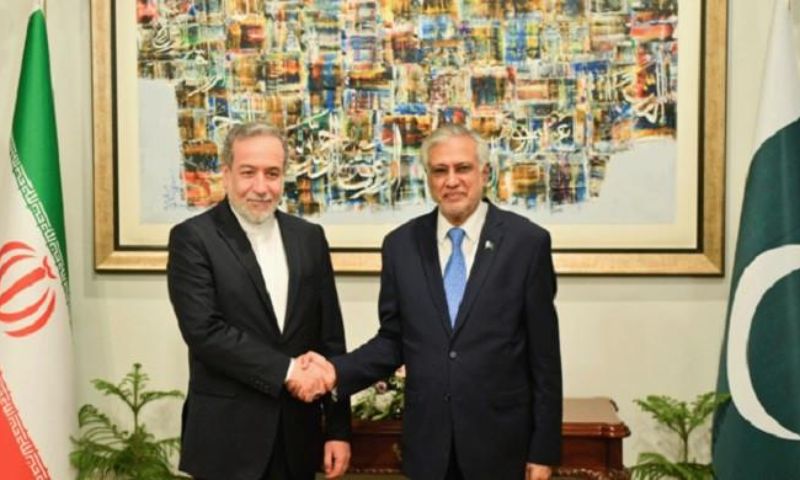
Iran Allows 20 Pakistani Ships Through Hormuz in Major Breakthrough
B6Pakistan has received a major boost amid ongoing regional tensions, as Iran has agreed to allow 20 additional Pakistani-flagged ships to pass through the strategically vital Strait of Hormuz, in what officials describe as a positive step toward stability. Deputy Prime Minister and Foreign Minister Ishaq Dar announced the development, saying the arrangement would allow two Pakistani ships to cross the strait daily. “I am pleased to share a great news that the Government of Iran has agreed to allow 20 more ships under the Pakistani flag to pass through the Strait of Hormuz; two ships will cross the Strait daily,” Dar said in a post on X. A ‘Constructive Gesture’ Amid Tensions Dar described Tehran’s move as a significant diplomatic breakthrough at a time when the Strait of Hormuz has become a major flashpoint due to escalating conflict in the region. “This is a welcome and constructive gesture by Iran and deserves appreciation. It is a harbinger of peace and will help usher stability in the region,” he said. He added, “This positive announcement marks a meaningful step toward peace and will strengthen our collective efforts in that direction.” Emphasising the importance of diplomacy, Dar said, “Dialogue, diplomacy, and such confidence-building measures are the only way forward.” Read More: After 5-Day Pause, US President Donald Trump Extends Iran Attack Halt by 10 More Days Strategic Importance of the Strait of Hormuz The Strait of Hormuz is one of the world’s most critical maritime chokepoints, handling nearly 20 percent of global oil trade. The ongoing conflict between Iran, the United States, and Israel has significantly disrupted shipping through the strait, with attacks on vessels and warnings from Iranian forces leading to a sharp drop in maritime traffic. At one point, tanker traffic fell drastically, and hundreds of ships were left stranded or delayed due to safety concerns and rising insurance costs. Relief for Pakistan’s Energy and Trade Routes Pakistan relies heavily on maritime routes through the Gulf for energy imports, with nearly 90 percent of its oil supplies transported via these waters. The disruption had raised fears of fuel shortages and economic pressure, prompting Islamabad to take emergency measures and launch a naval operation to secure shipping routes. The latest agreement with Iran is expected to ease some of these concerns, allowing Pakistani vessels to resume operations under controlled conditions. Read More: PM Shehbaz Sharif offers to host US-Iran talks, Donald Trump re-shares proposal Part of Broader Regional Dynamics The development comes as Iran has selectively allowed ships from friendly or neutral countries to pass through the strait while restricting others amid the conflict. Pakistan has also positioned itself as a diplomatic intermediary in the crisis, engaging with regional and global stakeholders to promote dialogue and de-escalation. Read More: PM Shehbaz Sharif offers to host US-Iran talks, Donald Trump re-shares proposal Analysts say the move signals a cautious easing of tensions and could pave the way for further confidence-building measures in the region.
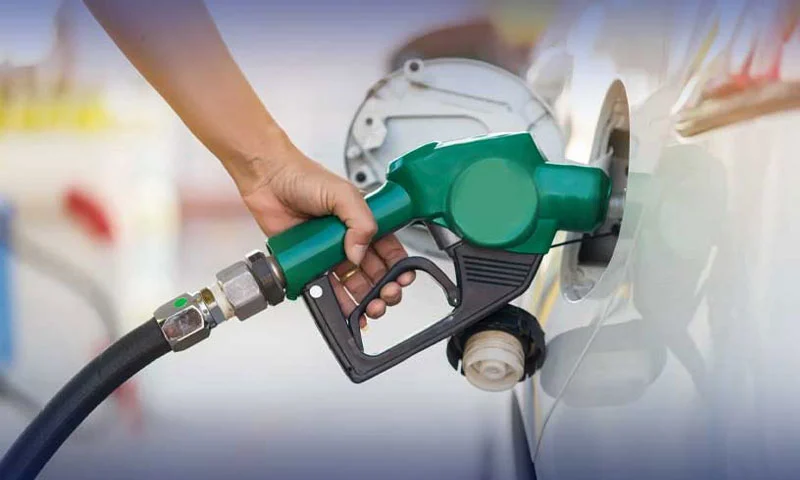
PM Shehbaz bans high-octane fuel in govt vehicles amid austerity drive
Prime Minister Shehbaz Sharif has banned the use of high-octane fuel in government vehicles as part of a wider austerity drive aimed at tackling Pakistan’s ongoing fuel and economic crisis. The decision comes alongside a major increase in the levy on high-octane petrol, a fuel typically used in luxury vehicles. Officials say the combined measures are designed to reduce unnecessary expenditure and shift the financial burden toward wealthier segments of society. Rs200 Levy Increase on High-Octane Fuel As part of the broader policy, the government has approved a Rs200 per litre increase in the levy on high-octane fuel, raising the total levy to around Rs300 per litre. According to the Prime Minister’s Office, the move is expected to generate around Rs9 billion in monthly savings. Officials stated that “the wealthiest segment will bear the cost,” as the measure specifically targets fuel used in high-end vehicles. Importantly, petrol prices for ordinary vehicles and public transport fares have not been increased, ensuring relief for middle- and lower-income groups. Ban on High-Octane Use in Govt Vehicles In addition to the levy hike, the prime minister has directed that government vehicles will no longer be allowed to use high-octane fuel. Officials have also been instructed to bear the cost themselves if they choose to use premium fuel, reinforcing the government’s push for discipline and cost-cutting within state institutions. The move reflects a clear message from the government to lead by example during a time of economic pressure. Background: Fuel Crisis and Global Pressures Pakistan’s latest measures come in response to rising global oil prices triggered by tensions in the Middle East, particularly the conflict involving the United States, Israel, and Iran. Earlier this month, petrol and diesel prices were increased by Rs55 per litre due to supply disruptions and rising crude oil prices. The country, which relies heavily on imported fuel, is facing significant pressure on its economy and foreign reserves. In response, both federal and provincial governments have introduced wide-ranging austerity measures, including reducing fuel usage, limiting official travel, and cutting non-essential expenditures. Relief Strategy for the Public The government has emphasized that savings generated from the high-octane levy will be redirected toward public relief. Officials say a targeted relief package for deserving segments is also under consideration, with multiple ministries working on a joint strategy. At the same time, the government has already absorbed part of the fuel price increase to prevent further burden on citizens. Balancing Crisis and Policy Action The ban on high-octane fuel and the levy increase together signal a shift toward targeted economic policies. Rather than increasing prices across the board, the government is focusing on luxury consumption to manage the crisis. As Pakistan navigates rising energy costs and global uncertainty, authorities continue to stress conservation, discipline, and equitable burden-sharing.
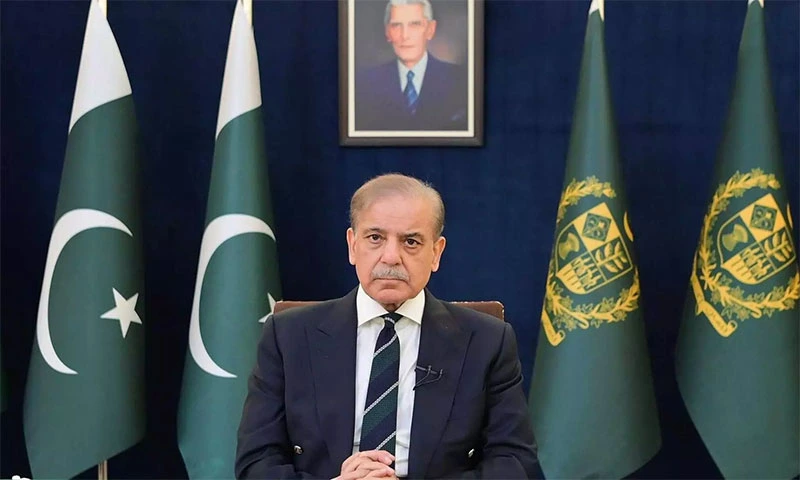
PM Shehbaz Sharif rejects fuel price hike, orders framework to ensure relief reaches the poor
Prime Minister Shehbaz Sharif has rejected a summary proposing an increase in petrol and diesel prices, offering immediate relief to consumers already burdened by rising inflation. The decision came despite strong pressure from global oil markets, where prices have surged due to escalating tensions in the Middle East. According to officials, the proposal to increase petroleum prices was sent by relevant authorities, including the Oil and Gas Regulatory Authority, but the prime minister chose to block it. The move aims to protect the public from further financial strain at a time when fuel costs are already at historic highs. The Prime Minister’s Office stated that “no price hike is being made in order to reduce the burden on the common man,” reaffirming the government’s commitment to provide maximum relief during difficult economic conditions. Address to the Nation: Economic Pressure and Government Strategy In a televised address to the nation, Shehbaz Sharif highlighted the severe impact of global geopolitical tensions on Pakistan’s economy. He said, “The global economy is currently under pressure due to regional tensions, which is likely to have a profound impact on Pakistan’s economy.” The prime minister explained that Pakistan is taking a coordinated approach to tackle the crisis. He pointed to timely policy decisions, austerity measures, and financial discipline as key tools being used to stabilize the economy. He also emphasized that both federal and provincial governments are working together to ensure that citizens are not overcharged and that price controls remain effective across the country. Background: Recent Fuel Price Shock The decision comes just days after the government increased petrol and diesel prices by Rs55 per litre, pushing petrol to around Rs321.17 per litre and diesel to over Rs335 per litre. This sharp increase followed disruptions in global oil supply caused by conflict involving the United States, Israel, and Iran. The crisis has pushed international crude oil prices close to $100 per barrel, creating serious challenges for energy-importing countries like Pakistan. Austerity Measures to Offset Impact To manage the economic fallout, the government has introduced wide-ranging austerity measures. These include reducing fuel usage in government departments, limiting official travel, and cutting unnecessary expenditures. Reports indicate that authorities are also reducing office attendance, limiting vehicle use, and implementing broader cost-cutting strategies to conserve fuel and stabilize the economy. The prime minister said these steps are necessary to ensure that the burden does not fall entirely on the public. Ensuring Fuel Supply and Market Stability Despite global disruptions, the government has assured that adequate crude oil supplies are available to meet domestic demand. Shehbaz Sharif credited diplomatic and economic teams for securing fuel shipments and maintaining stability in supply chains. He also expressed hope that international conditions would improve soon, leading to stabilization in oil prices and easing pressure on Pakistan’s economy. Relief vs Economic Reality While the decision to reject a fuel price hike provides short-term relief, analysts warn that Pakistan’s heavy reliance on imported energy makes it vulnerable to global price shocks. The government now faces the challenge of balancing fiscal stability with public relief, especially as inflation remains sensitive to energy prices.
