

Denmark’s men’s singles world number three Anders Antonsen has withdrawn from the ongoing India Open, citing what he described as “extreme” air pollution in the Indian capital — a decision that will cost him a $5,000 fine under Badminton World Federation (BWF) regulations. Antonsen announced his withdrawal in a detailed statement on Instagram, where he explained that continuing to compete in the prevailing conditions posed serious health risks. “Many is curious to why I have pulled out of the India Open for the third consecutive year. Due to the extreme pollution in Delhi at the moment I don’t thinks it’s a place to host a badminton tournament. Crossing my fingers that it will be better in the Summer when the World Championships will take place in Delhi. As a result BWF once again has fined me 5000 USD,” Antonsen wrote on his Instagram story. Accepts Fine but Prioritises Health Under BWF tournament rules, players who withdraw after the draw has been made are subject to financial penalties. Antonsen confirmed he would accept a $5,000 fine, stating that the cost was secondary to protecting his long-term well-being. The Danish shuttler, a former World Championship silver medallist and one of the tournament’s top seeds, was widely seen as a strong title contender before his exit. Antonsen also referenced fellow Danish player Mia Blichfeldt, saying she had also been affected by the poor air quality in Delhi. “Mia has also been struggling with the conditions,” he noted, highlighting that the issue was not limited to one athlete but was impacting players more broadly. Renewed Focus on Delhi’s Air Quality The withdrawal has once again drawn international attention to Delhi’s persistent air pollution problem. The city frequently ranks among the world’s most polluted, with hazardous levels of particulate matter caused by traffic emissions, industrial pollution, construction dust, and seasonal factors. Medical experts warn that high pollution levels can severely affect lung function — a critical concern for elite badminton players, whose sport demands intense cardiovascular exertion and rapid recovery. Wider Debate on Athlete Safety Antonsen’s decision has reignited debate over whether international sporting events should proceed in cities facing severe environmental conditions. In recent years, athletes across multiple sports have raised concerns about competing in polluted environments, arguing that air quality should be treated as a core safety issue rather than a secondary concern. As the India Open continues, the withdrawal of one of its biggest stars stands as a stark reminder that environmental conditions can directly influence participation, performance, and the credibility of global sporting events.
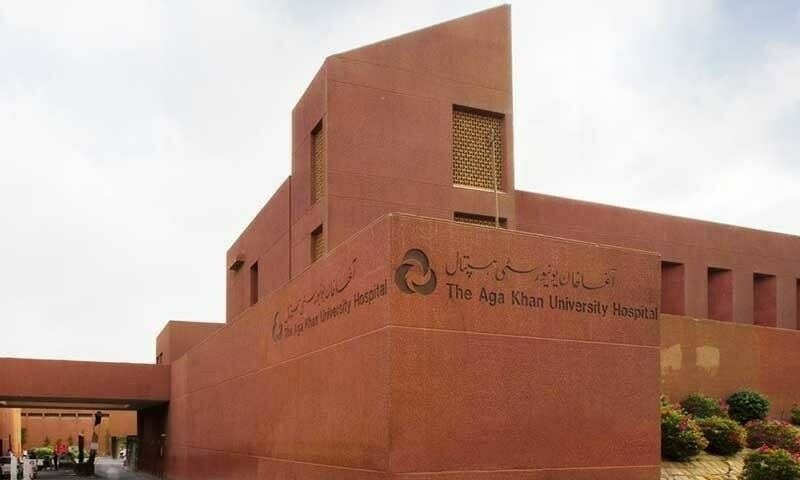
Wrong Lab Report Costs Patient Peace of Mind, Court Fines Aga Khan Hospital
A consumer court in Karachi has directed Aga Khan University Hospital to pay Rs1.68 million in compensation to a patient after ruling that the hospital issued an incorrect laboratory test report, causing severe mental distress and reputational harm. The verdict was delivered by the Consumer Protection Court Karachi South, which held the hospital responsible for medical negligence and deficient service. The court observed that the erroneous report had serious consequences for the complainant’s personal and social life. According to the judgment, the patient was incorrectly declared hepatitis C reactive in a laboratory test conducted at the hospital. The diagnosis triggered intense psychological stress, fear, and social stigma, prompting the patient to seek further medical verification. Subsequently, the complainant had the same test conducted at Dow Lab, where the hepatitis C result was confirmed as non-reactive, directly contradicting the earlier report. During court proceedings, the hospital admitted that a mix-up had occurred in handling laboratory samples and acknowledged that the complainant was mistakenly issued another patient’s test report. The court noted that such an error reflected serious lapses in laboratory protocols. Barrister Arsalan Raja, counsel for the complainant, argued that the incorrect and alarming diagnosis had deeply affected his client’s mental well-being and disrupted his daily life, adding that such negligence was unacceptable from a reputed medical institution. The court also relied on findings from the Sindh Healthcare Commission, which confirmed violations of standard laboratory procedures by the hospital. It further noted that the hospital failed to present any qualified laboratory staff as witnesses to defend its position. In its ruling, the court declared that issuing a false and frightening medical report constituted gross negligence. It emphasized that the decision would serve as a precedent to reinforce consumer rights and compel healthcare institutions to strictly adhere to professional standards and due care.
