
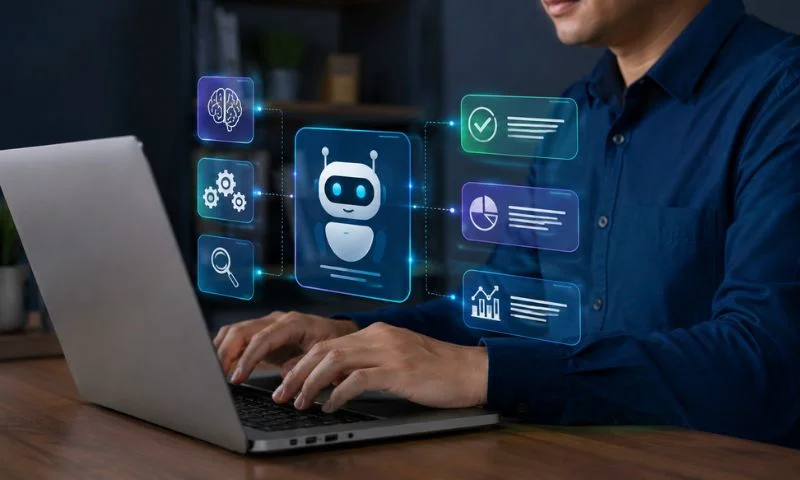
The world’s biggest technology companies are intensifying efforts to create computers that can complete complex tasks with little human input, betting that a new generation of AI agents will transform how people interact with their devices. For years, digital assistants such as Siri, Alexa and Google Assistant promised to simplify everyday computing. In practice, most users relied on them for basic tasks such as setting alarms, playing music or checking the weather. Now companies including Nvidia, Microsoft and Google believe advances in generative AI can finally unlock a more capable generation of digital assistants that understand instructions, make decisions and carry out multi-step tasks independently. “The goal eventually is to figure out, ‘Hey, how do I just tell the computer essentially what I want it to do, and then have it do it?’” said Bob O’Donnell, founder and chief analyst at technology research firm Technalysis. The shift comes as AI adoption accelerates worldwide following the launch of OpenAI’s ChatGPT in late 2022. Since then, technology firms have invested billions of dollars in AI infrastructure, software and hardware designed to support increasingly autonomous systems. New Hardware Powers the AI Push Nvidia, Microsoft and Google unveiled several new AI-focused products in recent days as competition intensifies. Nvidia introduced the RTX Spark chip for Windows laptops on June 1. The company says the processor can run powerful AI agents directly on a device without relying on cloud computing. Dell, HP and Lenovo plan to launch laptops powered by the chip later this year. At the same time, Microsoft is redesigning parts of Windows and expanding AI capabilities across its software ecosystem. The company recently announced Scout, a new Microsoft 365 agent built using OpenClaw technology. Microsoft says Scout can work across files stored on a user’s computer, cloud services and workplace applications such as Outlook and Teams. The agent could monitor emails, track conversations and help organise work with minimal supervision. Google is also developing new AI features that can suggest actions based on what appears on a user’s screen. Future versions of Google’s software could propose scheduling meetings or managing tasks when users hover over relevant information. Promise Meets Practical Challenges Supporters argue that AI agents could fundamentally change how people use computers. Nvidia CEO Jensen Huang recently demonstrated how AI agents could move between design applications to assist with planning a house. Meanwhile, developers increasingly use OpenClaw to conduct research and complete complex workflows while communicating with the system through messaging apps. “Things are quite different now because more people have now become quite used to using like Chat GPT or Gemini or Anthropic,” said David Naranjo, associate director at Counterpoint Research. Despite the excitement, analysts caution that widespread adoption may still take years. High hardware costs remain a challenge. Many consumers also question whether AI systems can reliably handle important tasks without making costly mistakes. “There’s a whole host of issues that need to be resolved before this becomes mass market,” said Jitesh Ubrani, research manager at International Data Corporation. “But are we on the right track? Yes.” Analysts say businesses will likely adopt AI agents faster than consumers because local AI processing offers greater security and lower long-term operating costs. The success of the technology may ultimately depend on whether users trust computers to make decisions on their behalf.
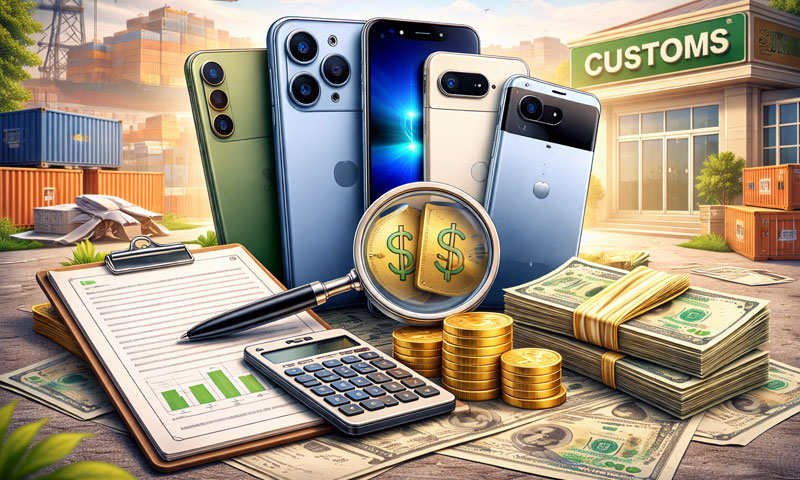
Tax reduction announced for imported used iPhones, Pixels and Galaxy phones in Pakistan
In a move aimed at aligning import duties with prevailing global market prices, the Directorate General of Customs Valuation Karachi has revised customs values for 62 categories of used branded mobile phones, introducing a new valuation framework for commercial imports into Pakistan. The revised rates were notified through Valuation Ruling No. 2035 of 2026, issued on January 19, 2026, and will apply to the import of used mobile phones without packaging or accessories. The updated valuation covers major international brands including Apple, Samsung, Google (Pixel series), and OnePlus. Customs officials said the revision was necessary as the previous valuation ruling had remained in force for more than 18 months and no longer reflected international price trends. During this period, several new smartphone models were launched globally, while older devices depreciated sharply as they approached the end of their product life cycles. According to Customs, the updated values were introduced after authorities observed wide discrepancies between declared import prices and actual international market rates. Under the new ruling, duties and taxes will be calculated strictly on the fixed customs values, irrespective of the physical condition, cosmetic grading, or usage level of the imported phones. Importers will also be required to declare the activation period of used devices. As per the revised framework, phones must have been activated at least six months prior to export to Pakistan, a condition aimed at discouraging the import of near-new or improperly declared devices. The valuation ruling provides model-specific customs values for a wide range of popular smartphones. Under the new schedule, a used iPhone 15 Pro Max has been valued at $460, while a used iPhone 13 Pro is priced at $225. Among Android devices, the Samsung Galaxy S23 Ultra has been fixed at $255, and the Google Pixel 9 Pro XL at $260. Customs officials said the revised benchmarks were finalised following extensive consultations with stakeholders, a detailed analysis of 90 days of import data, and comprehensive market surveys to ensure accuracy and fairness. Authorities believe the updated valuation system will help curb under-invoicing, enhance revenue collection, and improve transparency in the commercial import of used mobile phones, a segment that has long posed valuation and compliance challenges for Customs.
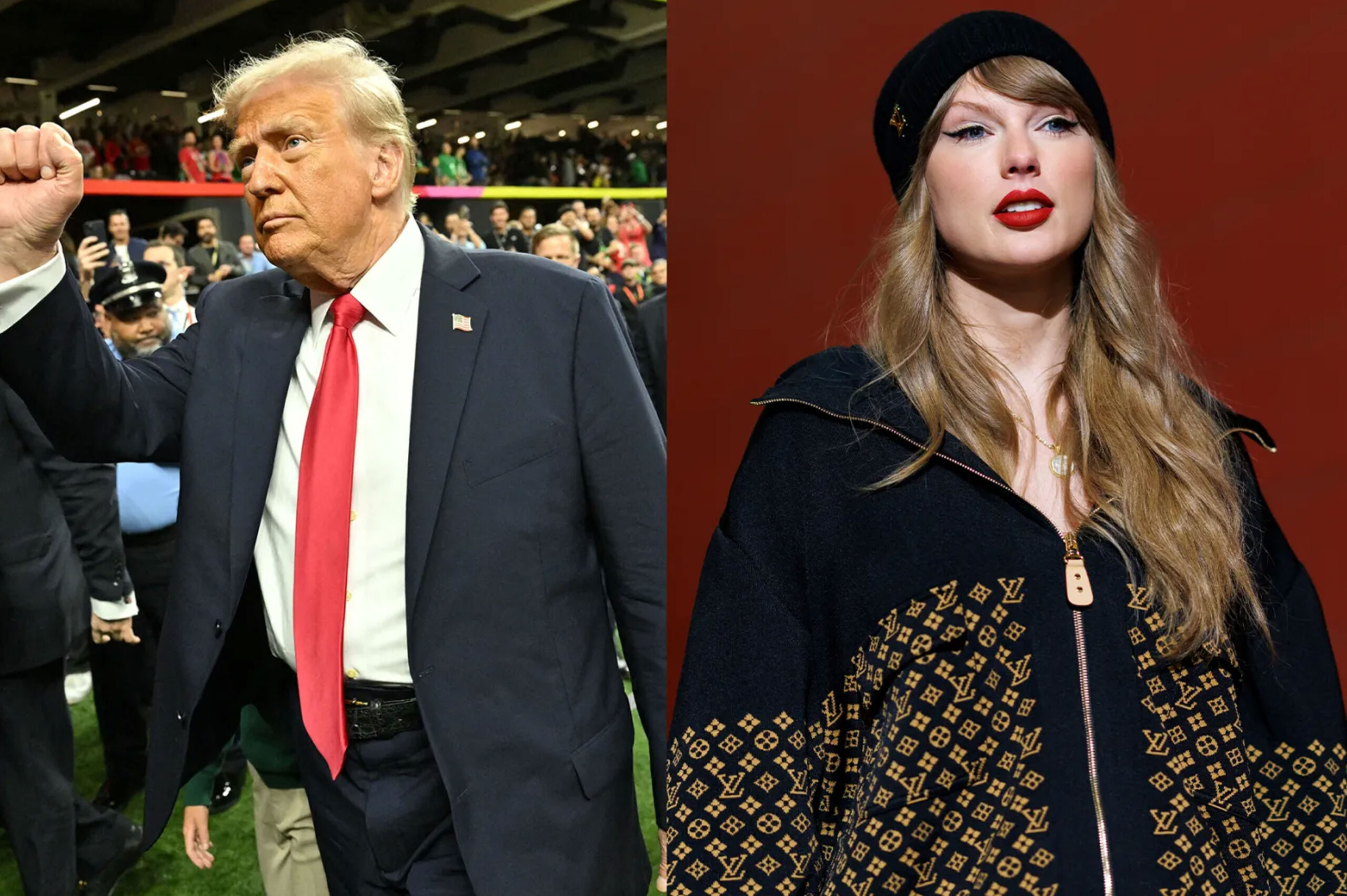
From Trump to Taylor Swift: The Most Searched Names on Google in 2025
In 2025, global internet search trends were strongly dominated by politics, technology, and entertainment, reflecting how real-time events, media coverage, and digital platforms shape public attention. According to an analysis by PlayersTime based on Ahrefs search volume data, a handful of prominent public figures captured a disproportionate share of global online interest over the past year. Based on average monthly Google searches over the last 12 months, former US President Donald Trump emerged as the world’s most searched personality, attracting approximately 16 million searches per month. He was followed by tech billionaire Elon Musk, who ranked second with around 11 million monthly searches, underscoring the continued global influence of American politics and technology leadership. Music played a major role among the global top ten most searched personalities, with artists accounting for nearly half of the list. Pop icon Taylor Swift remained one of the most consistently searched figures worldwide, while Sabrina Carpenter, XXXTENTACION, and Romeo Santos also secured prominent positions, each drawing between 6 and 8 million monthly searches. The rise of streaming platforms and the global reach of digital fandoms have propelled musicians to unprecedented levels of international visibility. Film and television dominated the broader Top 100 list, contributing the largest share of total search volume. This trend has been largely driven by the worldwide expansion of streaming services, which have made entertainment content more accessible across borders and cultures. While sports ranked lower in overall representation, several athletes achieved remarkable global attention. Portuguese football star Cristiano Ronaldo remained among the most searched athletes worldwide, while young Spanish footballer Lamine Yamal broke into the global top ten, highlighting growing interest in emerging talent alongside established sports icons. Search trends in 2025 were not limited to entertainment and sports. Global politics, religious leadership, and high-profile criminal cases also played a significant role in shaping online interest. In the religious sphere, Pope Francis was the most searched figure, while certain criminal cases generated unusually high search volumes due to sustained international media coverage. The data indicates that spikes in search interest are often driven more by breaking news and major events than by long-term popularity. An analysis by nationality reveals a strong concentration of global search interest around American public figures. US personalities featured in the Top 100 collectively received more than 237 million average monthly searches, exceeding the combined totals of the United Kingdom, Canada, and Australia. Six of the top ten most searched individuals worldwide were American, highlighting the global reach of US media, politics, and cultural influence. Search patterns also varied significantly by country. Donald Trump remained the most searched personality in the United States, while political leaders dominated searches in Canada. Tennis players attracted the most attention in Spain and Italy, footballers topped search lists in Brazil and Poland, and political figures led search trends in Germany and South Korea. Within the Top 100 most searched personalities, film and television accounted for 36 percent, music for 28 percent, and sports for 16 percent of total representation. Men made up 56 percent of the list overall; however, women were notably prominent in searches related to entertainment, fashion, and royal families. Overall, the data suggests that the global attention economy in 2025 was increasingly fast-moving and event-driven. Popularity was shaped less by sustained fame and more by political relevance, viral moments, digital platform reach, and continuous media exposure. Search trends reveal a world where public attention is concentrated around a limited number of names, shifts rapidly, and remains more volatile than ever before.
