
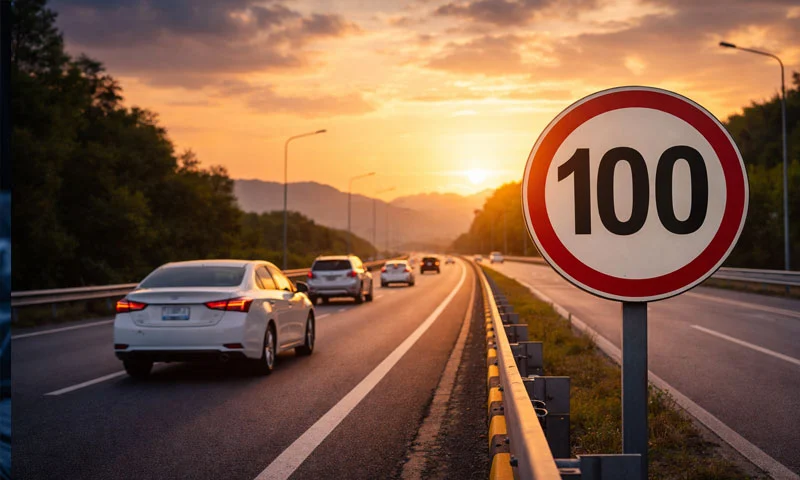
Pakistan has enforced new speed limits on motorways and national highways as part of a broader strategy to conserve fuel and manage rising energy costs. The move comes amid increasing pressure on fuel imports and a nationwide push for austerity. Under the revised rules, the maximum speed for cars and light transport vehicles on motorways has been reduced from 120 km/h to 100 km/h. On national highways, the speed limit for these vehicles has been lowered from 100 km/h to 80 km/h. Lower Limits for Buses and Heavy Vehicles The government has also tightened limits for public service and heavy transport vehicles. On motorways, buses and heavy vehicles are now restricted to 90 km/h, down from 110 km/h. On highways, their speed limit has been reduced to 65 km/h from the previous 80 km/h. Officials say these changes aim to reduce fuel consumption and improve road safety across the country. Strict Enforcement and Fines Begin Authorities have started strict enforcement of the new rules. Motorway Police have already issued fines to drivers exceeding the updated limits. In one reported case, a driver was fined Rs2,500 for driving at 115 km/h on a motorway. Officials have warned that violations will continue to result in penalties, especially during the busy travel season. Fuel Crisis Drives Policy Shift The reduction in speed limits is directly linked to Pakistan’s ongoing fuel crisis. The country relies heavily on imported oil, and recent global tensions have pushed up fuel prices significantly. Lower driving speeds are expected to improve fuel efficiency and reduce overall consumption. Experts say that even a small reduction in speed can lead to noticeable fuel savings over long distances. Impact on Travel and Commuters The new limits are expected to increase travel time slightly, especially on long motorway routes such as Lahore to Islamabad or Karachi to Hyderabad. However, authorities argue that the benefits of reduced fuel use and improved safety outweigh the inconvenience. The policy also comes ahead of peak travel periods like Eid, when millions of Pakistanis travel between cities. A Wider Push for Energy Conservation The speed limit changes are part of a larger set of measures introduced by the government to manage fuel demand. Other steps include reducing public sector energy use and promoting efficient transport practices. The National Highways and Motorway Police has urged drivers to comply with the new rules and contribute to national fuel conservation efforts.
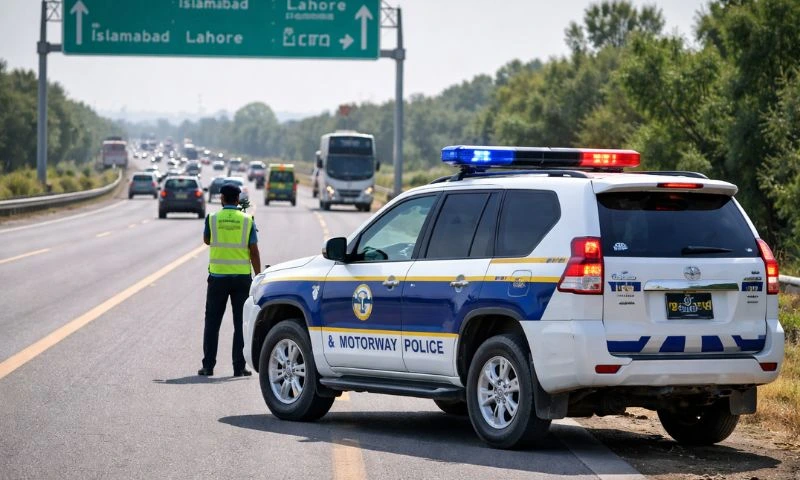
Slower Roads Ahead: Pakistan Reduces Highway Speed Limits to Save Fuel
Pakistan has reduced speed limits on motorways and national highways as part of a broader fuel conservation strategy aimed at reducing energy consumption during a period of rising global oil prices and economic pressure. The decision follows a series of austerity measures announced by the federal government to manage fuel usage across the country. The step comes after petrol and diesel prices increased sharply earlier this month. Authorities say the move is meant to cut national fuel consumption and encourage more economical driving habits, especially during long intercity travel. New Speed Limits on Motorways and Highways Under the revised rules, speed limits for several vehicle categories have been reduced. Cars and Light Transport Vehicles on motorways can now travel at a maximum speed of 100 kilometres per hour instead of the previous 120 km/h. Passenger Service Vehicles and Heavy Transport Vehicles are now restricted to 90 km/h instead of 110 km/h. On national highways, the maximum speed limit for cars and light vehicles has been lowered from 100 km/h to 80 km/h. Meanwhile, passenger and heavy transport vehicles will now be limited to 65 km/h instead of 80 km/h. Officials from the National Highways and Motorway Police said the change has been introduced on the instructions of the federal government. Syed Imran Ahmed, spokesperson for the motorway police central region, said: “On the directions of the federal government, the speed limits on motorways and national highways have been reduced to conserve fuel, and an awareness campaign has been launched to inform the public.” Authorities say enforcement teams will monitor compliance across the national road network. Read More: Toyota Delivery Charges Increased as Fuel Costs Rise Fuel Conservation Becomes National Priority The new speed limits are part of a larger government plan to reduce fuel consumption at a time when Pakistan faces higher oil import costs and global energy market uncertainty. Pakistan relies heavily on imported fuel, which makes the economy sensitive to global oil price fluctuations. Earlier this month, petrol and diesel prices in Pakistan increased by around Rs55 per litre, putting pressure on transport costs and inflation. The price surge has been linked to disruptions in global energy supply routes caused by geopolitical tensions in the Middle East. Experts say vehicles consume significantly more fuel at higher speeds, particularly above 100 km/h. Reducing speeds can therefore improve fuel efficiency and reduce overall demand for imported fuel. Read More: Pakistan Railways Raises Train Fares After Massive Fuel Price Hike Impact on Travel and Road Safety The policy is expected to slightly increase travel time on long motorway journeys. However, authorities believe the measure could also improve road safety. Lower driving speeds typically reduce the severity of road accidents and help maintain smoother traffic flow. Pakistan’s motorway network has historically allowed speeds of up to 120 km/h for light vehicles, one of the highest limits in the country’s road system. The National Highways and Motorway Police, established in 1997, is responsible for enforcing traffic rules and safety regulations across Pakistan’s motorway and national highway network. Officials have also launched an awareness campaign to inform motorists about the revised limits, particularly ahead of the Eid travel season when intercity traffic usually increases significantly. The government believes that even small reductions in speed across thousands of vehicles could translate into substantial national fuel savings.
