
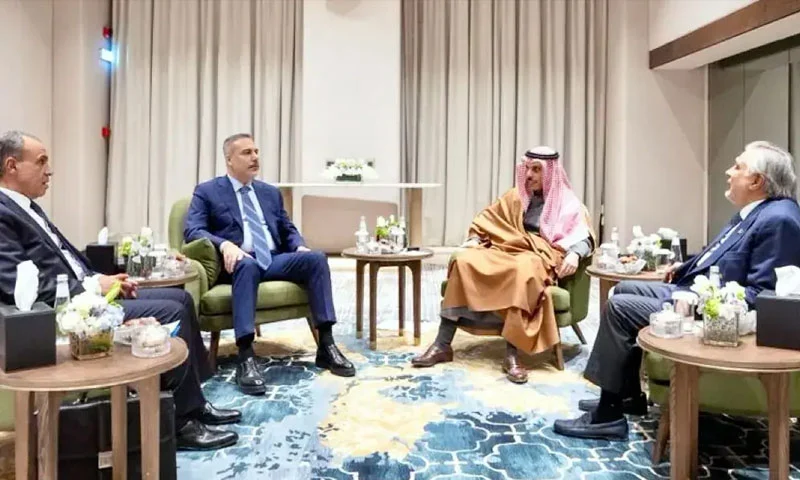
Foreign ministers from Saudi Arabia, Türkiye and Egypt are set to arrive in Islamabad for crucial talks aimed at de-escalating tensions in the Middle East amid the ongoing US-Israel conflict with Iran. The visit, scheduled for March 29 to 30, comes at the invitation of Pakistan’s Deputy Prime Minister and Foreign Minister Ishaq Dar. Officials said the leaders will hold “in-depth discussions on a range of issues, including efforts to de-escalate tensions in the region.” Pakistan Emerges as Key Mediator Pakistan is increasingly positioning itself as a key diplomatic bridge between global and regional powers in the ongoing crisis. According to officials, Islamabad has already conveyed proposals between the United States and Iran and has offered to host formal negotiations between the two sides. Recent reports suggest that Iran has indicated willingness to consider talks in Pakistan or Türkiye, highlighting Islamabad’s growing role in mediation efforts. Focus on De-Escalation and Ceasefire Efforts The visiting foreign ministers will meet Pakistani leadership, including Prime Minister Shehbaz Sharif, to discuss ways to reduce tensions and move toward a ceasefire. Türkiye’s Foreign Minister Hakan Fidan said the meeting aims to create a mechanism for de-escalation and assess the direction of ongoing negotiations. He stated, “We would discuss where the negotiations in this war are heading and what can be done.” Regional Powers Step Up Diplomatic Efforts Saudi Arabia, Türkiye and Egypt have been actively involved in diplomatic efforts to ease tensions between Washington and Tehran. These countries share concerns about disruptions to global energy supplies and key trade routes, especially as the conflict impacts the wider region. Pakistan has also engaged with several international stakeholders, including China and Gulf nations, to coordinate efforts aimed at stabilising the situation. War Impact Driving Urgent Talks The diplomatic push comes as the Middle East conflict continues to affect global markets and regional security. Oil prices have surged, and fears remain over potential disruptions to shipping routes such as the Strait of Hormuz. Regional powers are now seeking urgent solutions to prevent further escalation and economic fallout. A Critical Opportunity for Diplomacy The Islamabad talks are being seen as a significant opportunity to advance peace efforts. With multiple countries involved and backchannel communication already underway, the meeting could pave the way for broader negotiations between the United States and Iran. However, major challenges remain, including differences over Iran’s nuclear programme and regional influence. Strengthening Regional Cooperation Officials say the visit will also strengthen cooperation between Pakistan and the three countries across multiple areas of mutual interest. The talks highlight growing coordination among regional powers to address shared security and economic concerns.
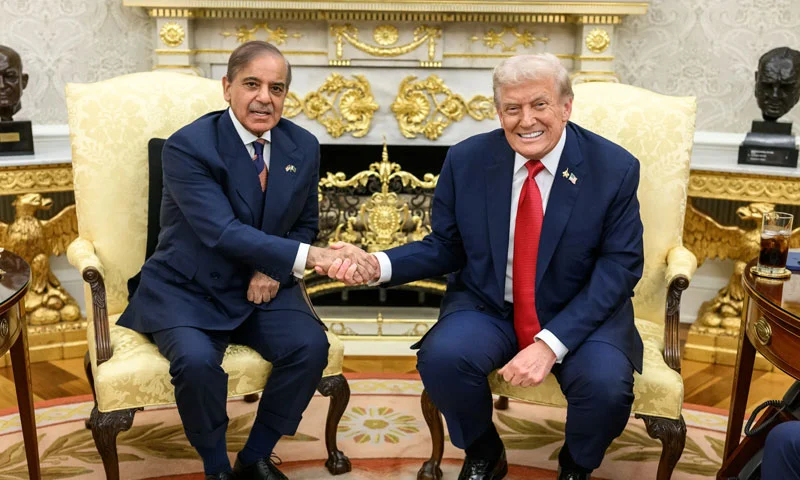
PM Shehbaz Sharif offers to host US-Iran talks, Donald Trump re-shares proposal
Prime Minister Shehbaz Sharif has said Pakistan is ready and honoured to host talks between the United States and Iran, as global efforts intensify to reduce tensions in the Middle East. In his statement, the prime minister said, “Pakistan stands ready and honoured to host talks between the United States and Iran in Islamabad.” He added that Pakistan is willing to play a constructive role in facilitating meaningful dialogue, subject to agreement by both sides. Pakistan welcomes and fully supports ongoing efforts to pursue dialogue to end the WAR in Middle East, in the interest of peace and stability in region and beyond. Subject to concurrence by the US and Iran, Pakistan stands ready and honoured to be the host to facilitate…— Shehbaz Sharif (@CMShehbaz) March 24, 2026 Trump Shares Pakistan’s Offer The proposal gained international attention after US President Donald Trump shared Prime Minister Shehbaz Sharif’s message on social media. Trump’s move is being seen as a signal of openness toward diplomatic engagement, as tensions between Washington and Tehran remain high. The development has placed Pakistan at the center of global diplomatic efforts aimed at de-escalation. Pakistan Acknowledges Role in De-escalation Officials in Islamabad have also acknowledged that Pakistan has already been playing a role in efforts to ease tensions between the US and Iran. According to reports, Pakistan has engaged in diplomatic outreach and maintained communication with key stakeholders to prevent further escalation. Authorities emphasized that Pakistan’s approach is based on dialogue, restraint, and peaceful resolution of conflicts. Diplomatic Outreach and Global Engagement Prime Minister Shehbaz Sharif has held discussions with regional and global leaders, including Iran’s leadership, urging de-escalation and a return to diplomacy. He stressed the importance of avoiding further conflict and resolving disputes through negotiations. Pakistan’s balanced relations with both the United States and Iran have positioned it as a potential mediator in the crisis. Growing Importance of Pakistan’s Role Analysts say Pakistan’s offer reflects its increasing diplomatic relevance in global affairs. By offering Islamabad as a venue for talks, the country is signaling its willingness to contribute to regional stability and peace. The move has also drawn attention from international observers, who see Pakistan as a bridge between competing powers. A Critical Moment for Diplomacy The US-Iran standoff has raised concerns about a wider regional conflict, particularly with the Strait of Hormuz remaining a key flashpoint. Global markets have already felt the impact of rising tensions, with oil prices and economic uncertainty increasing. In this context, Pakistan’s role is being viewed as part of broader international efforts to prevent escalation and promote dialogue. While no formal talks have been confirmed yet, Pakistan’s offer has opened a potential pathway for negotiations. Officials say the country will continue to support diplomatic solutions and work with international partners to reduce tensions. As the situation evolves, attention remains focused on whether dialogue can succeed in easing one of the most critical geopolitical crises of the year.
