
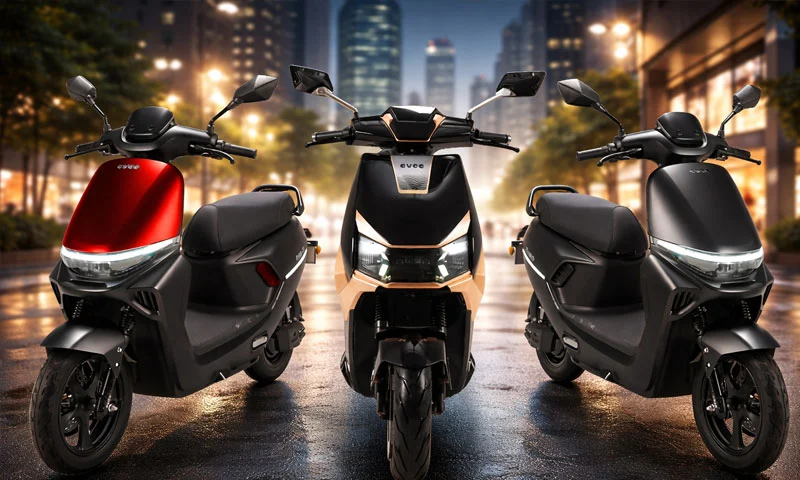
Evee Electric has officially launched its latest electric scooter — the Gen-Z Pro — in Pakistan, marking a significant step forward in the country’s expanding electric two-wheeler market. The new model is powered by a Lithium Iron Phosphate (LiFePO₄) battery, a safer and more durable alternative to the “graphene” or conventional lithium-ion batteries commonly found on local electric scooters. Priced at Rs 259,000, the Gen-Z Pro brings advanced battery technology to urban commuters and eco-minded riders seeking affordable electric mobility without compromising performance. The announcement was made via Evee’s social media channels and quickly stirred interest among Pakistan’s growing EV community. The heart of the Gen-Z Pro is its 76.8V 25Ah LiFePO₄ battery, which delivers enhanced safety, thermal stability and a longer service life compared with many lithium-ion setups. LiFePO₄ batteries are lauded for their greater resistance to overheating, higher cycle life and environmental friendliness, features that make them particularly suitable for Pakistan’s climate and road conditions. Paired with a 1000W electric motor, the scooter can reach a top speed of around 45-50 km/h and offers a real-world range of 60–80 km per charge — ideal for daily commuting within cities. Charging time averages 3–5 hours, making it practical for everyday use, whether riders plug in at home or at work. Design-wise, the Gen-Z Pro features ergonomic handling and durability with 12-inch tubeless tyres, front disc and rear drum brakes, and a modern LCD display. The scooter also includes practical touches such as fingertip controls, LED lighting and a sturdy chassis that handles Pakistan’s urban terrain. Evee’s decision to adopt LiFePO₄ battery technology for the Gen-Z Pro addresses key concerns in Pakistan’s EV scooter market. Many brands previously marketed “graphene” batteries, but such technology has yet to be commercially viable and often delivered longer charge times and shorter lifespans similar to older lead-acid systems. By contrast, the Gen-Z Pro’s LiFePO₄ battery offers a longer life cycle, reduced degradation over time, and improved safety — all backed by a 36-month warranty that demonstrates the company’s confidence in its product. The launch of the Gen-Z Pro comes at a time when Pakistan’s electric scooter segment is expanding rapidly, with more riders seeking cleaner, cost-effective transportation. Urban commuters, students and delivery riders are among those expected to benefit from the Gen-Z Pro’s blend of affordability, performance and long-term reliability. As EV adoption continues to grow, models like the Evee Gen-Z Pro are likely to play a key role in shaping sustainable mobility solutions across Pakistan’s cities.

From QR to Real-Time: aikPay Brings Shariah-Compliant Digital Payments to Pakistan
aik by BankIslami has launched aikPay, Pakistan’s first Shariah-compliant, Raast-enabled QR payment gateway, marking a major step forward in the country’s digital payments landscape. Built on the State Bank of Pakistan’s Raast infrastructure, aikPay enables real-time online payments through dynamic QR codes, allowing customers to pay directly from their bank accounts while offering merchants a fast, secure, and card-free checkout experience. The launch follows an engagement session organised by aik with key stakeholders from the national payments ecosystem, including representatives from the Raast platform. The session was attended by Muhammad Imaduddin, Director of Digital Innovations & Settlement at the State Bank of Pakistan, and Ahson bin Saeed, CEO of Raast Payments Pakistan. Senior leadership from BankIslami and aik, including Sohail Sikandar, Chief Operations Officer of BankIslami, and Ashfaque Ahmed, Chief Officer of aik, were also present. Commenting on the launch, Ashfaque Ahmed said that the rapid shift toward technology has made digital payments a daily necessity. He added that aik remains committed to promoting Riba-free digital banking while supporting Pakistan’s national push toward a digitally enabled economy by offering solutions that make everyday transactions faster, simpler, and more seamless. With aikPay, customers can make online purchases using any Raast-enabled mobile banking app, receiving instant transaction confirmation without the need for cards. For merchants, the platform offers nationwide reach through Raast interoperability, real-time payment verification, instant settlement to improve cash flow, and low-cost payment acceptance through competitive MDR rates. The solution is designed to be scalable and accessible, catering to small and medium enterprises (SMEs), online businesses, institutions, and government entities, positioning aikPay as a key enabler of Pakistan’s evolving digital payments ecosystem.
Pakistan Auto Market Gets New Hybrid Option as Sazgar Opens TANK-500 Bookings
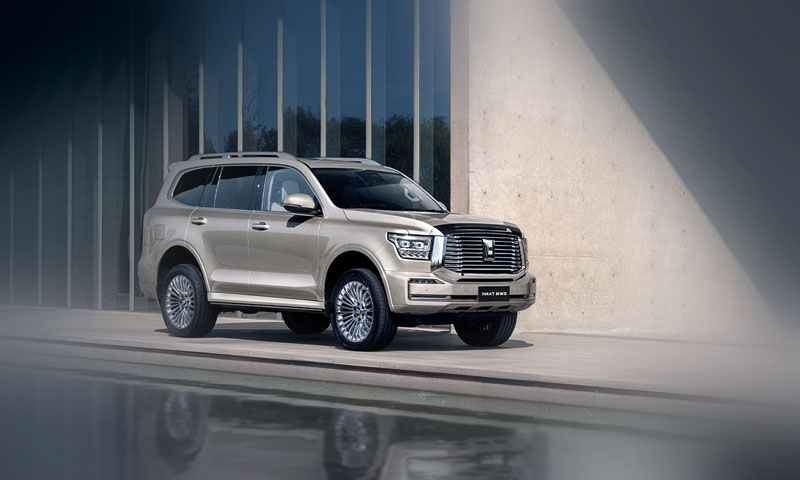
Sazgar Engineering Works Limited on Tuesday announced that it will begin bookings for its Completely Knocked Down (CKD) models of the TANK-500 Hi4-T 4×4 2.0L Turbo Automatic from January 26, marking another step in the company’s expansion into the new energy vehicle segment. The development was shared through a formal notice submitted to the Pakistan Stock Exchange (PSX). According to the notice, the TANK-500 CKD models will be offered in both Plug-in Hybrid Electric Vehicle (PHEV) and Hybrid Electric Vehicle (HEV) variants, giving customers multiple powertrain options. “The prices and booking details shall be announced by the company through electronic and social media today evening,” the company said in its disclosure. A plug-in hybrid electric vehicle combines a conventional petrol engine with a larger battery pack compared to standard hybrids. This allows the vehicle to operate solely on electric power for a limited range before switching to hybrid mode, where both the engine and electric motor work together. Previously, in September last year, Sazgar had announced plans to introduce its upcoming PHEV models — TANK-500 and CANNON — by March 31, 2026, as part of its broader strategy to strengthen its presence in the New Energy Vehicle (NEV) market. At the time, the company noted that Pakistan’s auto sector was showing signs of recovery and gradually regaining momentum after a prolonged slowdown. “This resurgence is creating opportunities for auto assemblers to expand their product portfolios across multiple categories, including petrol, hybrid, plug-in hybrid, and electric vehicles,” the company had said. Sazgar further stated that it remains committed to launching NEVs equipped with advanced technologies and modern features, in line with the government’s policy framework aimed at promoting cleaner and more efficient transportation solutions.

Aesthetic Physician Saba Jerjees Brings Science-Backed Skincare to Karachi
A new chapter in Pakistan’s aesthetic and dermatological landscape began on January 18 as Sk’n Theory, a premium skincare clinic founded by renowned aesthetic physician Dr. Saba Jerjees, officially launched in Karachi with an exclusive, star-studded evening event. The launch marked the arrival of a skincare destination that brings together medical expertise, dermatological science, and modern innovation under one roof. Located in uptown Karachi, Sk’n Theory is guided by the belief that skincare is never one-size-fits-all. Instead, the clinic focuses on personalized, evidence-based treatments designed to address a wide range of skin concerns, tones, and textures. Speaking at the opening, Dr. Saba Jerjees outlined the vision behind the brand, describing Sk’n Theory as a step toward redefining skincare standards in Pakistan. “Sk’n Theory is Pakistan’s first-of-its-kind skin clinic, redefining skincare through setting a gold standard of modern, science-backed treatments. We are here to offer a new, elevated experience in aesthetic excellence,” she said. The high-profile launch was attended by prominent figures from the fashion, beauty, media, and wellness industries, alongside actors, influencers, and members of the press. The gathering reflected the strong interest surrounding the clinic’s arrival and its promise of dermatologist-led, results-driven care. During the event, guests were introduced to Sk’n Theory’s core treatment offerings, which emphasize skin health, repair, and long-term results. The clinic’s newly launched services focus on longevity, anti-aging solutions, and IV wellness therapies, all formulated with carefully selected active ingredients and backed by clinical expertise. Designed with a minimal yet refined aesthetic, Sk’n Theory places strong emphasis on transparency, efficacy, and patient education. Rather than promoting fleeting beauty trends, the clinic encourages individuals to understand their skin and invest in treatments rooted in science and long-term care. With its official debut in Karachi, Sk’n Theory aims to raise the bar for aesthetic medicine in Pakistan, positioning itself as a destination where luxury meets medical credibility, and where skincare is approached as both a science and a personalized journey.
Toyota Launches Shockingly Affordable Electric Sedan in China — Here’s What Makes It Special
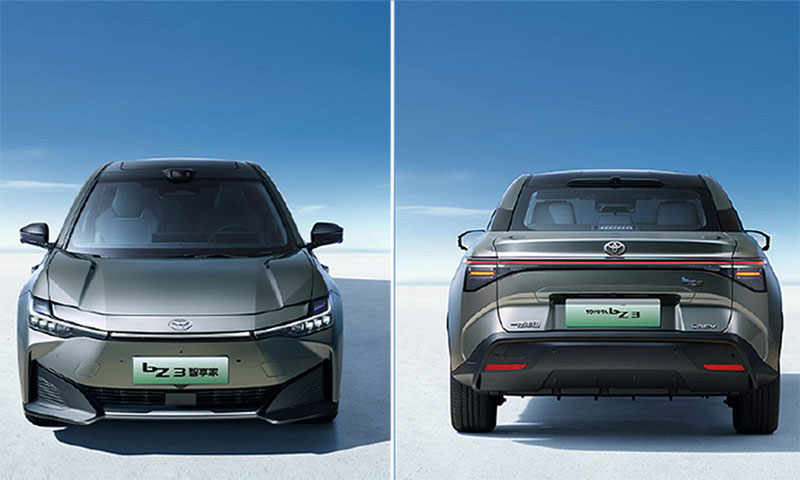
Toyota has taken a bold step in the electric vehicle race by launching the bZ3 Smart Home Edition in China—an electric sedan that is turning heads primarily because of its unexpectedly low price. The new model is priced from 109,800 yuan (roughly Rp262 million), positioning it as one of the most affordable electric sedans in its class. The bZ3 is the result of Toyota’s partnership with China’s FAW Group and has been developed exclusively for the Chinese market. Originally introduced in 2022 and refreshed in 2024, the Smart Home Edition represents the most advanced and cost-competitive version of the bZ3 so far. Two variants, aggressive pricing Toyota is offering the bZ3 Smart Home Edition in two variants. The Joy version starts at 109,800 yuan, while the more powerful Pro variant is priced at 129,800 yuan (around Rp309 million). At this price point, industry observers note that if the bZ3 were sold in the United States, it could easily undercut every new electric car currently on sale there—especially as the sub-$20,000 new car segment has nearly disappeared. For comparison, Nissan recently discontinued the Versa, once the cheapest new car in the US at $18,330, while Mitsubishi ended production of the Mirage in late 2024. Advanced tech at a budget price Despite its affordability, the bZ3 Smart Home Edition comes packed with technology. It features the Momenta 5.0 driving assistance system, offering Level 2 autonomous capabilities. To support this, Toyota has equipped the car with 32 sensors, including a roof-mounted LiDAR unit, millimeter-wave radars, ultrasonic sensors, and multiple cameras. These are powered by a high-performance computing chip delivering up to 544 TOPS of processing power. Design, dimensions, and performance Visually, the bZ3 has been refreshed with Toyota’s latest “hammerhead” front-end design, while the rear now features vertical taillights instead of the earlier horizontal layout. A new exterior color, Dark Cloud Green, has also been added. Dimensionally, the car remains unchanged, measuring 4,725 mm in length, 1,835 mm in width, and 1,475 mm in height, with a 2,880 mm wheelbase—typical proportions for a modern electric sedan. The Joy variant uses a front-mounted electric motor producing 181 horsepower, paired with a 49.9 kWh lithium iron phosphate Blade battery supplied by BYD, offering a claimed range of 517 km under Chinese testing standards. The Pro version steps up to 241 horsepower and a larger 65.3 kWh battery, extending the range to 616 km on a single charge. Cabin and launch timeline Inside, the bZ3 Smart Home Edition offers a futuristic cabin featuring a 15.6-inch horizontal touchscreen, an additional 12.8-inch display, a digital instrument cluster, ambient lighting, and an AI-powered voice assistant. Toyota says the model will soon enter mass production, with sales to begin in China in the first quarter of 2026. With its aggressive pricing, long range, and advanced technology, the bZ3 Smart Home Edition signals how serious Toyota has become about making electric cars affordable—at least in China.
