
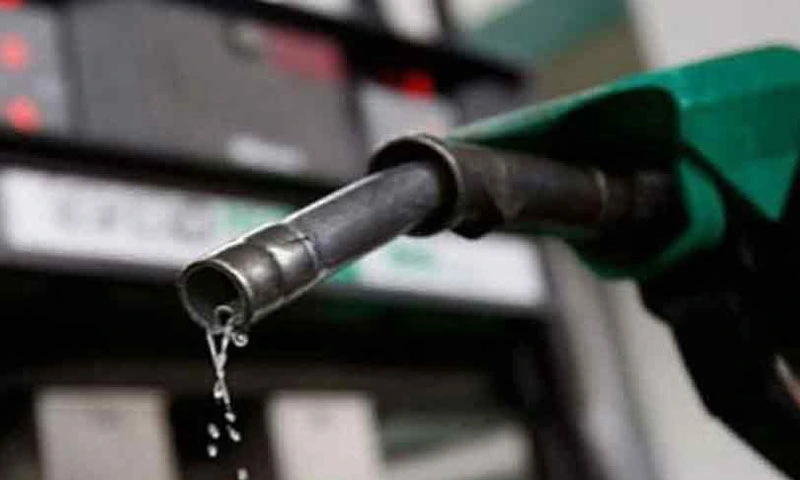
Pakistan’s federal government on Friday increased petrol and high-speed diesel prices by nearly Rs15 per litre each, extending a series of sharp fuel hikes that have intensified inflation concerns across the country. According to a notification issued by the Petroleum Division, the new prices took effect from May 9. Petrol prices rose from Rs399.86 to Rs414.78 per litre, while high-speed diesel increased from Rs399.58 to Rs414.58 per litre. The latest revision marks the third consecutive increase in fuel prices. During the previous two weeks, the government had already raised petrol prices by a cumulative Rs33.28 per litre and diesel prices by Rs46.16 per litre. Officials linked the latest increase to higher global oil prices and rising petroleum levies amid ongoing geopolitical tensions in the Middle East. Sources in the Petroleum Division said the government increased the petroleum levy by Rs13.91 per litre on both fuels. The levy on petrol climbed from Rs103.50 to Rs117.41 per litre, while the levy on diesel rose from Rs28.69 to Rs42.60 per litre. Kerosene prices reduced Despite the sharp rise in petrol and diesel prices, authorities reduced kerosene oil prices by Rs41.80 per litre. Following the reduction, the new kerosene price stands at Rs318.96 per litre, according to the official notification. The government has continued reviewing fuel prices every Friday night because of volatility in international energy markets linked to the ongoing US-Iran conflict. Global crude oil prices gained more than 1% on Friday after renewed fighting between the United States and Iran raised concerns over regional stability and disrupted hopes for reopening the Strait of Hormuz, one of the world’s most critical oil transit routes. Brent crude futures rose $1.41, or 1.41%, to $101.47 a barrel by 0123 GMT. US West Texas Intermediate crude futures climbed $1.12, or 1.18%, to $95.93 per barrel. Oil prices briefly surged more than 3% at the market opening. Inflation fears grow Economists and transporters warned that continued fuel hikes could intensify inflationary pressure in Pakistan, where households already face rising electricity, gas and food costs. Petrol mainly powers motorcycles, rickshaws and small private vehicles used daily by millions of middle and lower-middle-income families. Higher petrol prices directly affect commuting costs and household budgets. High-speed diesel plays an even larger role in Pakistan’s economy. Heavy transport vehicles, buses, trains and agricultural machinery depend heavily on diesel fuel. Market analysts say diesel price increases often trigger higher food and transport costs because trucks carry vegetables, wheat and essential goods across the country. Agricultural operations also rely on diesel-powered tractors, tube wells and threshers, making fuel costs a major factor in farming expenses and food inflation. The government has defended recent price adjustments by citing global oil market conditions and fiscal pressures linked to energy imports and revenue requirements.
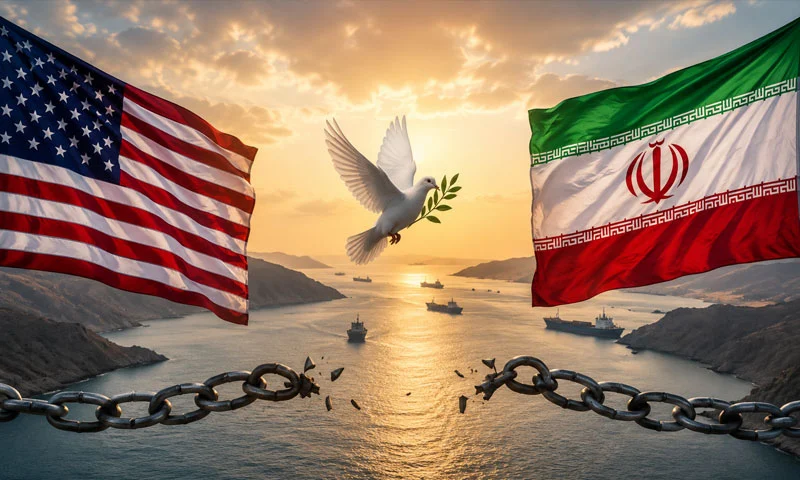
Iran and US Close to Gulf War Agreement, Report Says
The United States and Iran are moving closer to a possible agreement aimed at ending the conflict in the Gulf, according to sources familiar with the talks. The proposed deal could ease tensions around the Strait of Hormuz after weeks of military escalation and disruptions to global energy supplies. A source confirmed that a report by Axios on a one page memorandum between Washington and Tehran was accurate. “We will close this very soon. We are getting close,” the source said. Read More: US pauses ‘Project Freedom’ amid breakthrough talks with Iran The development came shortly after US President Donald Trump paused “Project Freedom,” a naval mission launched to escort commercial ships through the blocked strait. Trump said negotiations with Iran had shown “great progress.” “We have mutually agreed that, while the Blockade will remain in full force and effect, Project Freedom (The Movement of Ships through the Strait of Hormuz) will be paused for a short period of time to see whether or not the Agreement can be finalised and signed,” Trump wrote on social media. 14-point memorandum under negotiation According to Axios, the proposed memorandum contains 14 points and could formally end the war while launching a 30 day negotiation period for a broader agreement. The talks reportedly involve US envoys Steve Witkoff and Jared Kushner alongside Iranian officials, both directly and through mediators. Pakistan has played a central mediation role throughout the crisis. Last month, it hosted the only peace talks between the two sides and continues to relay proposals between Washington and Tehran. The proposed framework includes a temporary halt to Iran’s nuclear enrichment activities. In return, the United States would gradually lift sanctions and release billions of dollars in frozen Iranian funds. Both countries would also begin removing restrictions around shipping through the Strait of Hormuz. Read More: Oil Falls as US Moves to Free Stranded Ships in Strait of Hormuz The White House and Iran’s foreign ministry have not officially commented on the details. However, CNBC quoted an Iranian foreign ministry spokesperson as saying Tehran was evaluating the 14 point US proposal. Oil prices tumble as markets react Financial markets reacted quickly to the reports. Brent crude futures dropped more than eight percent and fell near the $100 per barrel mark. Global stock markets also climbed as investors anticipated a possible end to the conflict. The Strait of Hormuz has remained largely shut since the United States and Israel launched strikes on Iran on February 28. Iran later restricted most commercial shipping through the route, while Washington imposed a blockade on Iranian ports in April. Trump’s naval escort mission struggled to restore confidence among shipping companies. At the same time, Iran intensified attacks on vessels and targets near the Gulf. Read More: New Passport Design in US to Include Trump Picture A French shipping company reported Wednesday that one of its container ships had been struck in the strait a day earlier. The company confirmed that authorities evacuated injured crew members. Iranian Foreign Minister Abbas Araqchi, speaking during a visit to China, did not directly address Trump’s announcement. However, he said Tehran continued to seek “a fair and comprehensive agreement.” Despite the optimism, uncertainty remains high. One US official told Axios that Washington could restore the blockade or resume military operations if negotiations collapse.
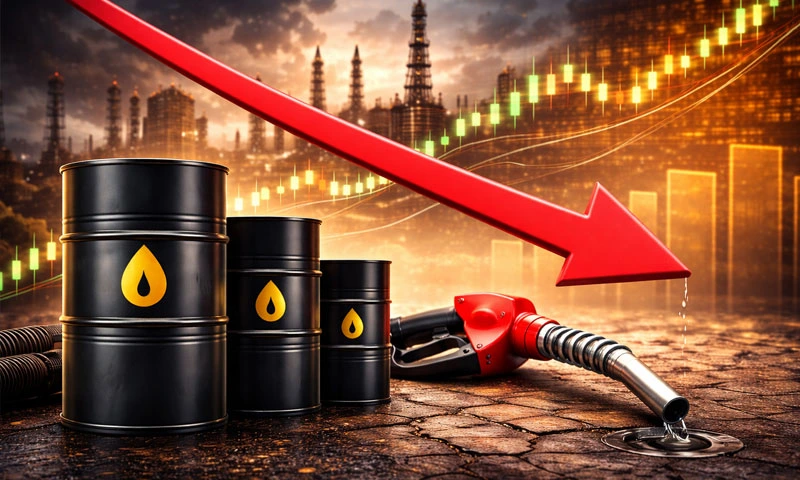
Oil Prices Drop After Trump Signals Possible End to Middle East War
Global oil prices fell sharply after surging to their highest levels in years, following comments from US President Donald Trump suggesting that the ongoing war in the Middle East could end sooner than expected. The sudden shift in sentiment eased fears of prolonged supply disruptions that had rattled energy markets earlier in the week. The volatility highlights how geopolitical tensions can quickly affect global energy markets and investor confidence. Oil Retreats After Sharp Rally Oil prices dropped significantly after reaching a three-year high in the previous session. Brent crude futures fell by $6.28, or about 6.35 percent, to $92.68 per barrel, while US West Texas Intermediate (WTI) crude dropped $6.24, or 6.58 percent, to $88.53 per barrel during trading in Asian markets. Both benchmarks had surged earlier after fears that the escalating conflict involving Iran could disrupt global energy supplies. Oil had climbed above $100 per barrel on Monday, reaching its highest level since mid-2022. Energy markets reacted strongly because the Middle East remains one of the most critical regions for global oil production and shipping routes. Trump’s Remarks Calm Markets The sharp drop in prices came after Donald Trump said he believed the conflict involving Iran could end sooner than initially expected. In an interview with CBS News, Trump said the war “is very complete” and that the timeline had progressed faster than anticipated. Market sentiment improved further after Russian President Vladimir Putin reportedly discussed proposals for a quick settlement during a call with Trump, according to a Kremlin aide. The possibility of diplomatic progress reduced concerns that oil shipments could face long-term disruptions. Energy analysts say markets often react strongly to geopolitical signals, especially when conflicts involve key oil-producing regions. Middle East Tensions Drive Energy Volatility The recent surge in oil prices was fueled by fears that the conflict could disrupt supply chains, particularly shipping through the Strait of Hormuz, a critical passage through which roughly one fifth of global oil trade flows. When tensions rise in the Gulf region, traders often expect supply shortages, pushing oil prices higher. The sudden rally above $100 per barrel earlier this week reflected those fears. However, the quick reversal after diplomatic signals shows how sensitive markets are to changes in the geopolitical outlook. Analysts Warn of Continued Uncertainty Despite the price drop, analysts caution that oil markets remain fragile. Any escalation in the conflict or disruption to energy infrastructure could trigger another spike in prices. Suvro Sarkar, energy sector team lead at DBS Bank, said markets may be reacting too strongly to short-term developments. He noted that risks remain even as prices fall. He said the market may be “underappreciating risks at these levels for Brent.” The Group of Seven nations have also discussed potential measures to stabilize oil markets if prices surge again, although they have not yet decided to release strategic oil reserves. Global Economic Impact Fluctuations in oil prices affect economies worldwide. Higher energy costs increase transportation and production expenses, which can push inflation higher and slow economic growth. For oil-importing countries, including many developing economies, sudden price spikes can strain national budgets and widen trade deficits. As diplomatic efforts continue, investors and governments will closely monitor developments in the Middle East. For now, the latest decline in prices offers temporary relief to global markets, but uncertainty remains.
