
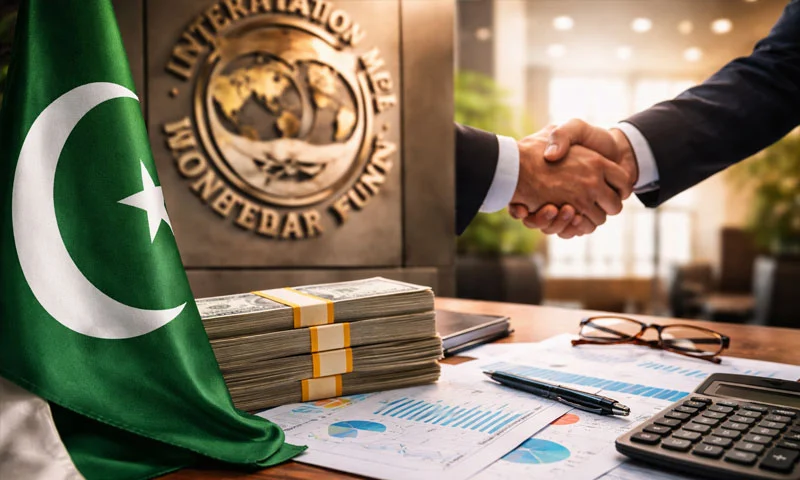
Pakistan and the International Monetary Fund have reached a staff-level agreement that will unlock about $1.2 billion in fresh funding, subject to approval by the IMF Executive Board. The agreement comes under Pakistan’s ongoing $7 billion loan programme, providing critical financial support as the country continues efforts to stabilise its economy. According to the IMF, Pakistan will gain access to around $1 billion under the Extended Fund Facility and about $210 million under the Resilience and Sustainability Facility. This will bring total disbursements under the programme to approximately $4.5 billion. IMF Praises Economic Stability and Reforms The IMF noted that Pakistan’s economic programme remains broadly on track and aligned with key reform objectives. It highlighted improvements in inflation control, external account balance and strengthening foreign exchange reserves. In its statement, the IMF said that ongoing policies have helped rebuild market confidence and support economic recovery. Economic activity has shown signs of momentum, particularly in the first half of the current fiscal year. Focus on Fiscal Discipline and Structural Reforms The agreement also emphasises the need for continued fiscal discipline and structural reforms. Pakistan has committed to strengthening public finances, improving the energy sector and expanding social protection programmes. Authorities are also working to deepen reforms aimed at long-term growth and economic resilience. The IMF stressed the importance of maintaining a tight and data-driven monetary policy to keep inflation under control. Climate Financing and Reform Agenda A key component of the agreement includes support under the Resilience and Sustainability Facility, which focuses on climate-related reforms. The IMF noted that Pakistan’s climate reform agenda is progressing and aims to reduce vulnerabilities linked to environmental risks. These reforms are seen as essential for long-term economic sustainability. Risks Remain Amid Global Uncertainty Despite progress, the IMF warned that external risks remain significant. The ongoing Middle East conflict has created uncertainty, with rising global energy prices posing a threat to inflation and economic stability. Pakistan’s import-dependent economy remains vulnerable to such global shocks. A Critical Step Forward The staff-level agreement marks a key milestone in Pakistan’s engagement with the IMF. Once approved by the IMF Board, the tranche will provide much-needed financial relief and strengthen investor confidence. However, continued reform efforts and prudent economic management will remain essential for sustaining stability.
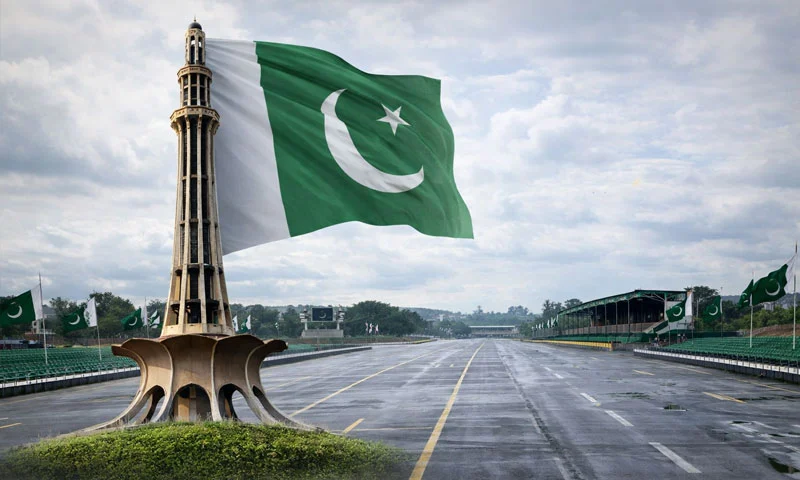
Nation Observes Pakistan Day with Simplicity and Resolve
Pakistan is marking Pakistan Day today with national spirit and patriotism, but without the traditional military parade, as the government implements austerity measures linked to the ongoing Middle East crisis. The day is being observed with dignity and reverence across the country. Flag-hoisting ceremonies are being held at official buildings, while special events are being kept simple in line with the government’s cost-cutting strategy. Pakistan Day, observed every year on March 23, commemorates the historic Lahore Resolution of 1940, which laid the foundation for the creation of Pakistan. Parade Cancelled Due to Oil Crisis The federal government decided to cancel the traditional Pakistan Day military parade and related ceremonial events this year. According to the Prime Minister’s Office, the decision was taken “in the backdrop of the ongoing Gulf oil crisis and the consequent austerity measures announced by the government.” Instead of the usual large-scale celebrations, authorities directed that the day be observed with simplicity while maintaining its national significance. The Pakistan Day parade is normally one of the country’s biggest national events, featuring military displays, flypasts, and participation from armed forces and foreign dignitaries. وزیراعظم محمد شہباز شریف کی یومِ پاکستان کے موقع پر پرچم کشائی#PakistanDay #23March #ShehbazSharif #FlagHoisting #PakistanZindabad #NationalPride #Unity #Pakistan #LahoreResolution #Patriotism pic.twitter.com/C5TKLdQs5T — APP (@appcsocialmedia) March 23, 2026 Impact of Middle East Crisis on Pakistan The decision comes as Pakistan faces economic pressure due to rising global oil prices triggered by tensions in the Middle East. Pakistan relies heavily on oil imports from the Gulf, making it vulnerable to disruptions in supply. The ongoing conflict has affected global energy markets and increased fuel costs domestically. In response, the government introduced wide-ranging austerity measures to conserve fuel and reduce spending. These measures include reducing fuel usage, limiting official travel, implementing a four-day work week, and encouraging work-from-home policies in government departments. A Day of Unity Despite Scaled-Down Celebrations Despite the absence of the parade, Pakistan Day is still being observed with enthusiasm and national pride. Government institutions, schools, and organizations are marking the occasion with simple ceremonies, paying tribute to the country’s founding vision and sacrifices. Officials have emphasized that the spirit of Pakistan Day remains unchanged, even as celebrations are scaled down. Balancing National Pride with Economic Reality The decision to cancel the parade reflects a broader effort to balance national traditions with economic realities. Authorities have stressed that observing the day with simplicity does not diminish its importance. Instead, it highlights the nation’s resilience during challenging times. As Pakistan navigates economic pressures linked to global developments, the focus remains on unity, discipline, and collective responsibility.
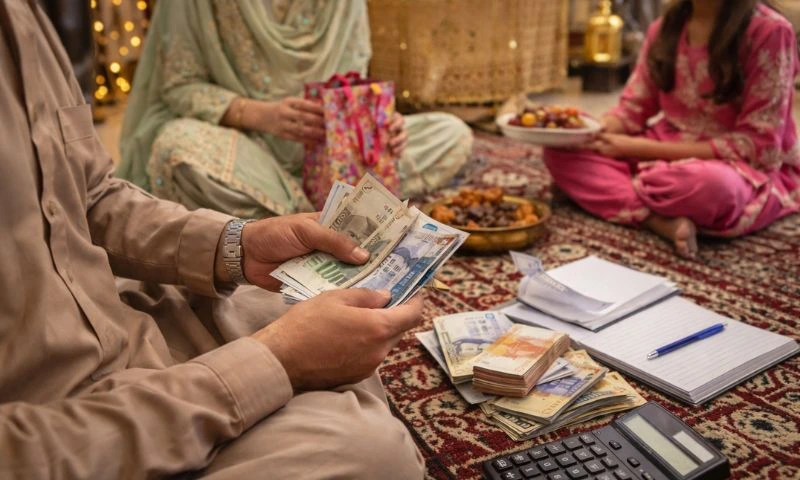
Govt Employees to Receive March Salaries Ahead of Eid
The federal government has announced the advance disbursement of salaries for March 2026 to facilitate employees ahead of Eid ul Fitr, offering timely financial relief as millions prepare for the religious festival. According to official details, the government has directed all relevant departments to ensure that salaries, which are typically paid at the start of the following month, are released earlier than usual so employees can manage their Eid expenses comfortably. This move is part of a longstanding practice in Pakistan, where salaries and pensions are often released in advance when Eid falls close to the end of the month. Decision aims to provide financial relief Officials say the early disbursement is intended to help employees cover essential expenses such as shopping, travel and family obligations during Eid. A statement shared through official channels noted that the decision was taken to ensure that government workers do not face financial strain during the festive period. In Pakistan, Eid ul Fitr is one of the most significant religious occasions, often involving increased spending on food, clothing and travel. By releasing salaries ahead of time, the government aims to ease the burden on employees who would otherwise have to wait until the usual payment cycle. Provinces also follow similar practice The initiative is not limited to the federal government. Provincial governments, including Punjab, Sindh and Khyber Pakhtunkhwa, have also announced similar measures. For example, authorities in Sindh confirmed that salaries, allowances and pensions for March will be released in advance to ensure employees receive payments before Eid celebrations. Likewise, Punjab and KP governments have issued notifications stating that salaries and pensions will be disbursed on March 16, 2026, instead of the usual early April schedule. These coordinated measures are expected to benefit thousands of government employees and pensioners across the country. Eid expected in third week of March Eid ul Fitr in Pakistan is expected to fall around March 20 or 21, 2026, depending on the sighting of the Shawwal moon. Authorities say the early salary release aligns with this timeline, ensuring that employees have sufficient funds ahead of the holidays. Experts note that such financial planning plays an important role in maintaining consumer spending during festive periods, which can also support local markets and businesses. Tradition continues amid economic challenges The advance salary announcement comes at a time when many households are dealing with rising living costs. Analysts say that early salary payments can provide short-term financial relief, especially for middle-income families managing monthly budgets. The move also reflects the government’s broader effort to support public sector employees during key religious occasions. As Eid approaches, the early disbursement is expected to bring relief to millions of families across Pakistan, allowing them to celebrate the festival with greater ease and financial stability.
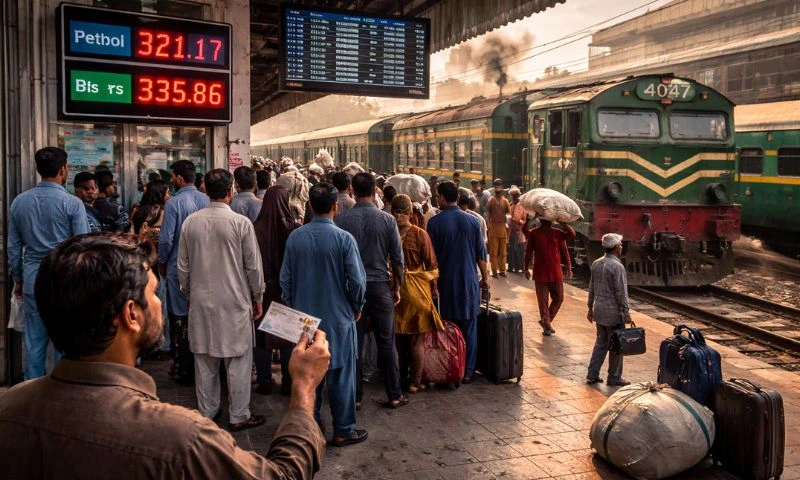
Pakistan Railways Raises Train Fares After Massive Fuel Price Hike
Pakistan Railways has announced an increase in passenger and freight train fares after the government sharply raised petrol and diesel prices across the country. The decision reflects the growing financial pressure on the transport sector as fuel costs continue to rise. According to railway officials, the new fare structure will come into effect from March 9 and will apply to all passenger and cargo train services nationwide. However, passengers who have already booked tickets before the announcement will continue to travel at the previously issued fares. The development follows a major jump in petroleum prices that has affected transportation costs across Pakistan. Economy and AC Class Fares Increased Pakistan Railways confirmed that economy class ticket fares have been increased by 5 percent, while air conditioned classes will see a 10 percent rise in fares. In addition, freight train charges have been raised by 20 percent, a move expected to increase the cost of transporting goods across the country. A spokesperson for Pakistan Railways said the fare adjustment became unavoidable due to the surge in diesel prices, which significantly increased operational costs for train services. Despite the hike, the department said it will continue to absorb part of the additional expenses related to passenger train operations in order to reduce the burden on travelers. Record Fuel Price Hike Behind the Decision The fare increase comes just a day after the government announced one of the largest fuel price increases in Pakistan’s history. Petrol and high speed diesel prices were raised by Rs55 per litre, pushing petrol prices to Rs321.17 per litre and diesel prices to Rs335.86 per litre. Officials say the surge was driven by rising global oil prices and disruptions in energy supply caused by escalating tensions in the Middle East. Since Pakistan relies heavily on imported oil, particularly shipments passing through the Strait of Hormuz, international market fluctuations have a direct impact on domestic fuel prices and transport costs. Rising Fuel Costs Affect Entire Transport Sector The increase in train fares is part of a broader rise in transportation costs across the country. Following the fuel price hike, transporters in many cities have raised fares for buses, vans, and long distance travel services. Residents in several cities have reported higher costs for daily commuting, school transport, and the transportation of goods. Shopkeepers say the cost of transporting fruits, vegetables, and other items has also increased significantly. Experts warn that higher freight charges could push up the prices of essential goods as transport costs form a major part of supply chains. Pakistan Railways and Its Operational Challenges Pakistan Railways, the state owned rail operator, manages a network of nearly 7,800 kilometres of track and hundreds of stations across the country, connecting major cities such as Karachi, Lahore, Quetta and Peshawar. Fuel remains one of the biggest expenses for the railway system, as locomotives rely heavily on diesel. Rising fuel prices therefore directly affect the cost of running trains and maintaining services. Officials say the latest fare adjustment is intended to help the railway department manage increasing operational expenses while continuing to provide passenger and freight services nationwide. As global oil prices remain volatile, transport costs in Pakistan are expected to remain under pressure in the coming weeks.
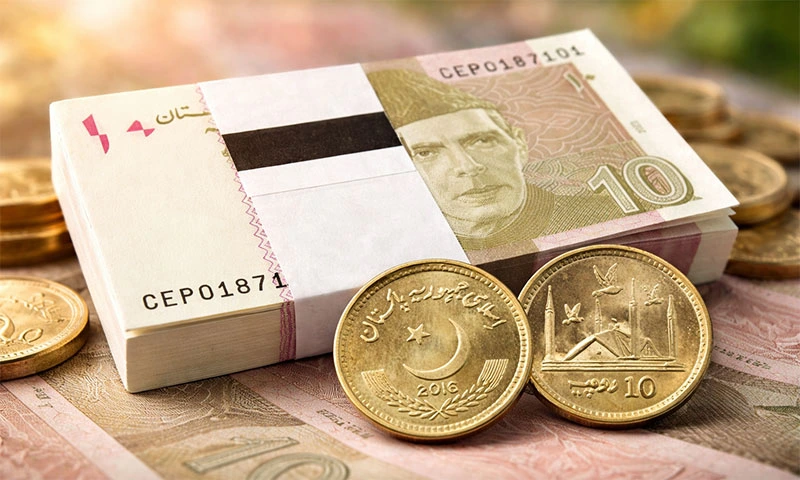
Rs10 Note Could Be Discontinued in Pakistan: Here’s the Reason
The federal cabinet is reviewing a plan to phase out the Rs10 banknote and replace it with a coin in a cost-saving measure that could benefit Pakistan’s economy. A high-level committee led by the finance minister presented a detailed currency management report to the cabinet, suggesting coins may be more efficient than paper notes. The proposal has drawn attention due to its potential to save billions of rupees over the long term. According to the report, prepared jointly by the State Bank of Pakistan (SBP) and the Security Printing Corporation of Pakistan, the average lifespan of a Rs10 note is a short six to nine months. In contrast, a Rs10 coin can remain in circulation for 20 to 30 years. Because the Rs10 denomination accounts for more than a third of all notes printed annually, its frequent replacement places significant strain on currency production costs. Massive Cost Savings Expected Officials estimate that shifting from notes to coins for this denomination could save between Rs40 billion and Rs50 billion over the next decade. That is because the current annual cost of printing, replacing and managing Rs10 notes stands at an estimated Rs8 billion to Rs10 billion every year. While the initial cost of minting coins is higher, they do not require frequent replacement and offer far greater durability. A committee recommendation expects the SBP to gradually stop printing Rs10 notes over a three-year transition period under the legal framework of the State Bank Act. During this period, the number of coins in circulation would steadily increase to meet demand. Why This Matters for Pakistan’s Economy The Rs10 note features in countless daily transactions, from bus fares to small purchases at markets and tea stalls nationwide. Its short lifespan means frequent reprinting, which increases pressure on printing facilities and administrative overheads. If coins replace notes, recurring printing costs will fall sharply and long-term savings could strengthen Pakistan’s currency management system. Experts also say this measure aligns with broader currency management and sustainability goals. Coins reduce long-term operational expenses and help in streamlining cash handling logistics for banks and merchants alike. Several countries including the United Kingdom, Canada and Australia have already transitioned lower-denomination notes to coins, citing similar benefits. Public Awareness and Transition Challenges Public adaptation to coins remains a consideration. The Rs10 coin was first issued by SBP in 2016, but it has not always gained widespread acceptance among the public. Many consumers continued to prefer notes even though coins are legally valid tender. As coins become more prominent, awareness campaigns may be needed to ensure smooth public acceptance. Next Steps The federal cabinet will review the report and decide whether to formally approve the phase-out of the Rs10 note. If approved, the transition is expected to begin soon, gradually reducing dependence on the worn-out paper notes and leveraging long-lasting coins to improve currency efficiency and reduce recurring costs.
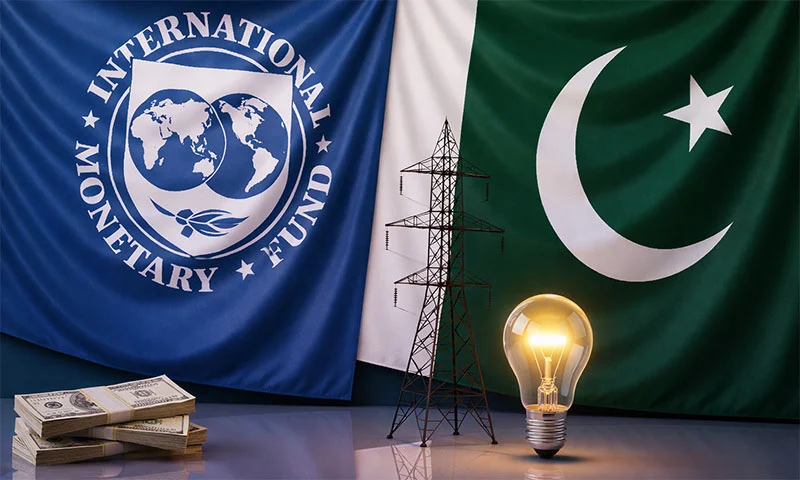
IMF, Pakistan Discuss Electricity Tariff Revisions with Focus on Protecting Households
The International Monetary Fund (IMF) is actively engaged in discussions with Pakistani authorities on proposed electricity tariff revisions, emphasising that any changes should avoid placing undue burdens on middle- and lower-income households, the Fund said in a statement to Reuters. These talks form part of Pakistan’s efforts to meet conditions under its $7 billion Extended Fund Facility (EFF) as another review of the programme approaches. The IMF noted that the ongoing consultations will analyse whether Pakistan’s proposed tariff overhaul aligns with commitments under the EFF and assess the potential effects on macroeconomic stability and inflation. Pakistan faces a sensitive economic backdrop, with inflation having eased sharply from nearly 40 percent in 2023 but still remaining a key concern for policymakers. Electricity carries a significant weight in Pakistan’s consumer price index (CPI), making any tariff changes politically and economically sensitive. Family budgets and household spending patterns are directly affected by power costs, especially as electricity prices account for a large share of utility expenses nationwide. The Fund’s statement comes after Pakistan announced a proposed overhaul of power tariffs aimed at reducing fiscal pressure on the energy sector while aiding industrial competitiveness. Analysts say the planned changes could ease burdens on industrial users by lowering commercial power prices, potentially reducing them by 13 to 15 percent. At the same time, subsidies worth about PKR 102 billion ($365 million) could be removed, shifting more of the cost burden to households. Economic analysts warn that this tariff restructuring could add inflationary pressure in the near term. A study by Optimus Capital Management cited by analysts estimates that the proposed revisions could contribute about 1.1 percentage points to inflation over 12 months. Middle-class households consuming between 100 and 300 units of electricity monthly could see their bills rise by about 50 percent, while fixed charges for lower-usage households may increase from zero to PKR 400 per month. The discussions also touch on long-standing issues in Pakistan’s power sector, including circular debt. This debt has built up over years due to unpaid bills and subsidies across generation companies, distributors, and the government. IMF-backed reforms since 2023 have forced repeated tariff revisions as part of efforts to contain debt growth within programme targets. Analysts say balancing tariff reforms with consumer protection is a complex challenge for Pakistan. The power sector’s structural weaknesses, including outdated infrastructure and rising demand, have made sustainable energy pricing a priority. Increased electricity costs have already contributed to a decline in overall electricity consumption, reflecting changing usage patterns and demand behaviour. As negotiations continue, the IMF and Pakistani authorities are expected to refine proposed tariff changes in the coming weeks ahead of the next EFF review, with a focus on protecting vulnerable households while ensuring long-term financial and sectoral stability.
