
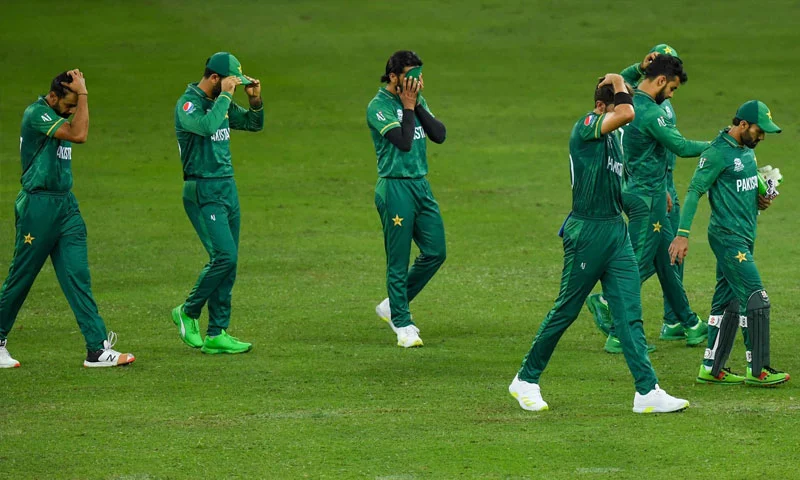
Pakistan national cricket team suffered another major setback after losing a third straight Test match to Bangladesh national cricket team, extending a painful run that has raised fresh questions about the team’s direction, selection policies and leadership. The latest defeat came days after Pakistan lost the ODI series in Bangladesh and crashed out of the 2026 T20 World Cup before the semi-finals stage. The result added to a long list of failures that have damaged Pakistan’s reputation across all formats during the past two years. Read More: Pakistan Collapse as Bangladesh Take 1-0 Lead in Test Series Pakistan lost a T20 International to Ireland cricket team before the 2024 T20 World Cup and then suffered a shocking defeat against United States national cricket team in the same tournament. The team also failed to qualify for the Super Eight stage of that World Cup. Months later, Bangladesh swept Pakistan 2-0 in a historic Test series on Pakistani soil. The defeat marked Bangladesh’s first ever Test series win against Pakistan. Pakistan’s red-ball struggles worsened when the side lost a Test match by an innings despite scoring 556 runs in the first innings. The team also suffered embarrassing defeats in white-ball cricket. Pakistan lost both an ODI and a T20I against Zimbabwe national cricket team during a chaotic period marked by inconsistent batting and poor bowling performances. World Cup failures and historic defeats increase pressure Pakistan entered the 2025 ICC Champions Trophy with hopes of revival but failed to win a single match. The side also missed out on a semi-final place in the tournament, extending its poor record in ICC events. The team later recorded its worst ever defeat in T20 International history during a crushing loss that exposed major flaws in bowling and fielding. In another alarming statistic, Pakistan conceded 92 runs in the first six overs of a T20I, one of the most expensive powerplay performances in international cricket history. The batting unit also collapsed for 110 against Bangladesh in a T20I earlier this year. Read More: T20 World Cup Disaster: Rare Moment in Pakistan Cricket History as PCB Fines Squad Pakistan’s struggles against a weakened New Zealand national cricket team side further increased criticism of the team management. Pakistan lost seven of eight matches against New Zealand despite several senior Kiwi players missing because of franchise cricket commitments. Former players and analysts have repeatedly criticised the Pakistan Cricket Board for frequent captaincy changes, inconsistent selection policies and instability within the coaching setup. Questions grow over future direction The team’s decline has sparked intense debate among fans and former cricketers in Pakistan. Many critics now question whether Pakistan cricket has entered one of the weakest periods in its modern history. Pakistan still possesses world-class talent, particularly in fast bowling, but inconsistent performances continue to overshadow individual brilliance. Read More: Pakistan Reshuffles Coaching Setup as Sarfaraz Takes Charge for Bangladesh Tests Fans have also expressed frustration over repeated collapses in high-pressure tournaments and poor performances against lower-ranked sides. For a team that once dominated world cricket with unpredictability and flair, the recent results reflect a sharp and worrying decline.
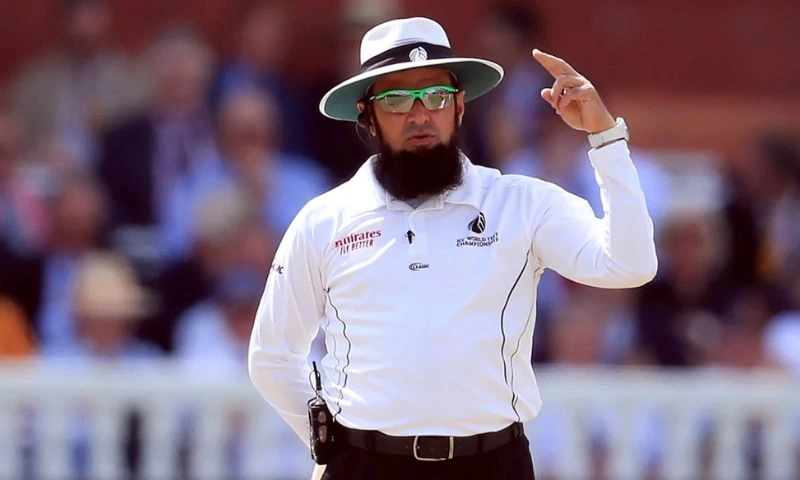
Aleem Dar Resigns from Pakistan Cricket Selection Committee After T20 World Cup Exit
In a major shake-up within Pakistan cricket administration, Aleem Dar, former elite international umpire and member of the Pakistan Cricket Board’s (PCB) national selection committee, has resigned from his post following Pakistan’s early exit from the ICC Men’s T20 World Cup 2026. His departure marks the first significant change in the selection panel after a tournament filled with criticism and controversy. Resignation Confirmed by PCB Sources Aleem Dar, widely respected for his distinguished 20-year career on the cricket field as an umpire, officially submitted his resignation to PCB officials on March 2, 2026, soon after Pakistan’s disappointing campaign concluded without reaching the semi-final stage of the World Cup. Sources tell media that Dar decided to step down due to the team’s lacklustre results and amid rising scrutiny of selection decisions by the committee. The News Pakistan reported that Dar’s resignation came as the first major change in the selection setup, reflecting pressure on the team’s management to improve performance and accountability. While no formal statement has yet been issued by the PCB regarding his replacement, insiders expect broader discussions within the board about selection policies and future strategies. Read More: Pakistan Beat Sri Lanka But Fall Short of Semifinals in T20 World Cup Background of Dar’s Role and Experience Aleem Dar, 56, is best known internationally for his umpiring achievements. He debuted in ODIs in 2000 and went on to become the first Pakistani on the ICC Elite Panel of Umpires, officiating in hundreds of Tests, ODIs and T20 Internationals. After retiring from elite umpiring in 2023, Dar was appointed to the PCB’s selection committee on October 11, 2024, bringing his vast on-field cricket experience to the panel. In the current selection committee setup, Dar worked alongside former Pakistan fast bowler Aaqib Javed, ex-test batter Asad Shafiq and a data analyst who offered statistical insights for squad formation. The panel’s responsibility was to identify top talent and assemble competitive teams for all formats. World Cup Struggles and Selection Criticism Pakistan’s T20 World Cup campaign was marked by inconsistency, poor tactical choices and an overall failure to adapt to match conditions. Despite high expectations after a strong lead-up, including a pre-World Cup series win against Australia, Pakistan’s performance disappointed fans and pundits alike. Critics pointed to questionable squad balancing, tactical inflexibility and slow batting rates as key issues. In many fan discussions on social media and cricket forums, Dar’s resignation was seen as symbolic of deeper frustrations with how the national team has been managed. Some cricket commentators even labelled the situation as reflective of an “ego-driven management” culture, where selection consistency and team direction need clearer leadership and accountability. Read More: T20 World Cup Disaster: Rare Moment in Pakistan Cricket History as PCB Fines Squad What This Means for Pakistan Cricket Dar’s resignation leaves a gap in the selection committee at a critical juncture for Pakistan cricket. With upcoming bilateral series and global tournaments on the horizon, the PCB now faces the challenge of appointing a successor capable of guiding squad selection during a rebuilding phase. Cricket analysts say that the move represents an opportunity for the board to reassess and possibly restructure selection operations to improve performance. As Pakistan looks to rebound from a disappointing T20 campaign, the emphasis will likely be on stronger synergy between coaches, selectors and players to deliver future success.
