
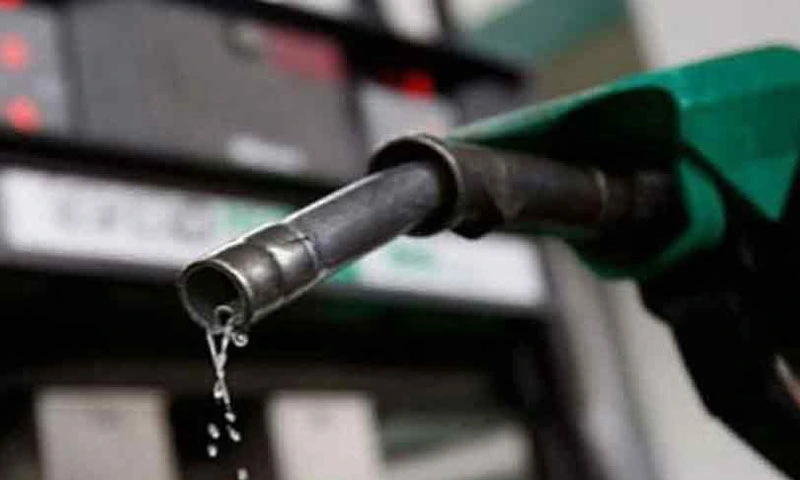
Pakistan’s federal government on Friday increased petrol and high-speed diesel prices by nearly Rs15 per litre each, extending a series of sharp fuel hikes that have intensified inflation concerns across the country. According to a notification issued by the Petroleum Division, the new prices took effect from May 9. Petrol prices rose from Rs399.86 to Rs414.78 per litre, while high-speed diesel increased from Rs399.58 to Rs414.58 per litre. The latest revision marks the third consecutive increase in fuel prices. During the previous two weeks, the government had already raised petrol prices by a cumulative Rs33.28 per litre and diesel prices by Rs46.16 per litre. Officials linked the latest increase to higher global oil prices and rising petroleum levies amid ongoing geopolitical tensions in the Middle East. Sources in the Petroleum Division said the government increased the petroleum levy by Rs13.91 per litre on both fuels. The levy on petrol climbed from Rs103.50 to Rs117.41 per litre, while the levy on diesel rose from Rs28.69 to Rs42.60 per litre. Kerosene prices reduced Despite the sharp rise in petrol and diesel prices, authorities reduced kerosene oil prices by Rs41.80 per litre. Following the reduction, the new kerosene price stands at Rs318.96 per litre, according to the official notification. The government has continued reviewing fuel prices every Friday night because of volatility in international energy markets linked to the ongoing US-Iran conflict. Global crude oil prices gained more than 1% on Friday after renewed fighting between the United States and Iran raised concerns over regional stability and disrupted hopes for reopening the Strait of Hormuz, one of the world’s most critical oil transit routes. Brent crude futures rose $1.41, or 1.41%, to $101.47 a barrel by 0123 GMT. US West Texas Intermediate crude futures climbed $1.12, or 1.18%, to $95.93 per barrel. Oil prices briefly surged more than 3% at the market opening. Inflation fears grow Economists and transporters warned that continued fuel hikes could intensify inflationary pressure in Pakistan, where households already face rising electricity, gas and food costs. Petrol mainly powers motorcycles, rickshaws and small private vehicles used daily by millions of middle and lower-middle-income families. Higher petrol prices directly affect commuting costs and household budgets. High-speed diesel plays an even larger role in Pakistan’s economy. Heavy transport vehicles, buses, trains and agricultural machinery depend heavily on diesel fuel. Market analysts say diesel price increases often trigger higher food and transport costs because trucks carry vegetables, wheat and essential goods across the country. Agricultural operations also rely on diesel-powered tractors, tube wells and threshers, making fuel costs a major factor in farming expenses and food inflation. The government has defended recent price adjustments by citing global oil market conditions and fiscal pressures linked to energy imports and revenue requirements.
No Need for Hi-Octane? Honda Pakistan Clears the Air
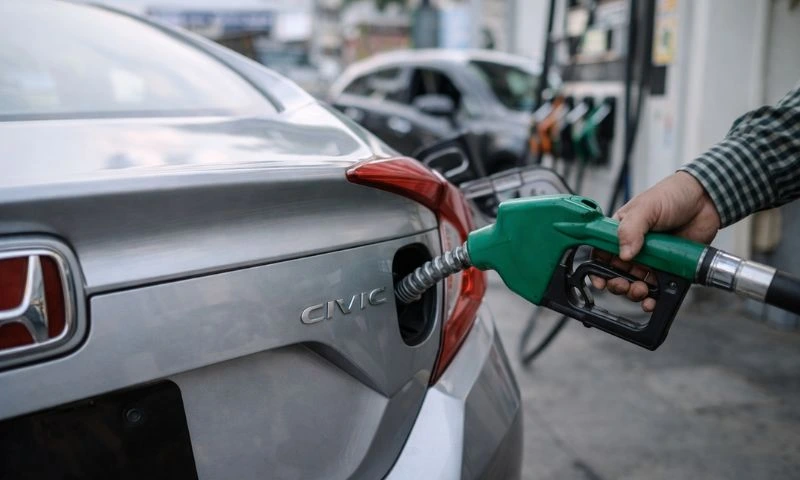
Honda Atlas Pakistan has clarified that its locally assembled vehicles are fully compatible with 91 RON regular petrol, addressing long-standing confusion among car owners over whether expensive high-octane fuel is necessary. The clarification comes at a time when petrol prices, especially high-octane variants, have surged in Pakistan amid global oil market uncertainty. This has led many motorists to question whether premium fuel is essential for their vehicles or simply an added expense. Honda’s Official Position According to company representatives, Honda vehicles are designed to run on 91 RON petrol, a fact already mentioned in official product brochures. “Customers can rely on these brochures as the authoritative source,” officials stated, adding that the fuel recommendation is clearly documented for various models. This aligns with international standards where 91 RON is widely accepted as regular fuel for modern vehicles in several countries. The clarification aims to settle ongoing debates among car owners who have been switching to costly high-octane fuel due to misconceptions about engine performance and safety. What It Means for Honda Owners The announcement brings relief to thousands of Honda users in Pakistan, as it confirms that using standard petrol is both safe and recommended for most models. This includes popular vehicles such as the Honda City, BR-V, and older naturally aspirated Civic variants, which do not require high-octane fuel for normal operation. However, Honda noted that turbocharged engines, such as the Civic RS 1.5L Turbo, may perform better with high-octane fuel, particularly under heavy acceleration or high load conditions. Even in such cases, high-octane is not mandatory but can help reduce engine knocking and improve performance. Experts explain that octane ratings measure a fuel’s ability to resist knocking during combustion, and higher-octane fuels are typically required only for high-compression or performance engines. Rising Fuel Prices Fuel the Debate The timing of Honda’s clarification is significant. With high-octane petrol prices climbing sharply in Pakistan, drivers have been looking for ways to cut fuel costs without compromising engine health. Many consumers had been under the impression that premium fuel was necessary for modern vehicles, often leading to higher monthly fuel expenses. Honda’s stance now reassures users that regular petrol is sufficient for most daily driving needs. Final Takeaway Honda Pakistan’s statement provides much-needed clarity in a market where misinformation about fuel types is widespread. By confirming compatibility with 91 RON petrol, the company has effectively reduced uncertainty for consumers navigating rising fuel costs. While high-octane fuel may still benefit certain engine types under specific conditions, the majority of Honda vehicles in Pakistan can operate efficiently on regular petrol, offering both cost savings and convenience to drivers.
