

The new owners of Pakistan International Airlines have laid out an ambitious turnaround plan, acknowledging that the national carrier will continue to incur losses for at least one year before moving towards profitability. Speaking in an exclusive interaction, Arif Habib, founder of the Arif Habib Group, said that PIA currently employs around 9,000 people — a number he believes is not excessive. “The concern should not be about how many people are employed, but whether they are performing effectively,” he said, adding that no employees would be laid off for at least one year. Habib stressed that the focus would not be on replacing the management overnight, but on improving systems, training, and accountability. “Despite all its problems, PIA is still operating today. That itself shows there is potential. We will invest in training and capacity-building to fix what is broken,” he noted. Safety, according to Habib, will remain non-negotiable. He said there would be zero tolerance for violations of standard operating procedures (SOPs). “Passengers must feel that if they are flying PIA, they are safe. There will be no compromises on safety under any circumstances,” he said. The airline is currently facing a loss of Rs54 billion, which is expected to rise to around Rs65 billion. Habib confirmed that the losses will be absorbed for one year as part of the restructuring phase. “This is a low-margin business with intense competition. Organization and discipline are critical,” he explained. Highlighting operational realities, Habib said profitability depends heavily on load factor. “If bookings exceed 85 percent, the airline makes money. Anything below that results in losses,” he said. He pointed out that PIA has a strong built-in market, including Hajj and Umrah operations and nearly 70 million overseas Pakistanis who travel regularly. “People want to fly PIA, but poor service and aircraft condition push them away. Fix the service and planes, and they will come back,” he said. Under the investment plan, aircraft engines will be purchased and grounded planes restored. The fleet is expected to expand from 16–17 aircraft to around 38 over time. Habib said PIA also benefits from direct international routes, a key competitive advantage. The airline has received Rs125 billion, which will be used for new engines, debt servicing, and operational costs. A dedicated plan has also been prepared to improve the cargo business. PIA’s total liabilities stand at Rs181 billion, while many assets have already been shifted to a holding company. Habib concluded that the government should not be running businesses. “Losses in state-owned entities grew due to personal interests of officials. Business is the job of the private sector — and we intend to prove that PIA can be profitable within a year.” The turnaround plan will be driven by a private consortium that has acquired a 75 percent stake in Pakistan International Airlines for Rs135 billion (approximately $482 million). The group is scheduled to formally take operational control of the airline in April 2026, after which it plans to immediately roll out its restructuring and investment roadmap. This privatization represents one of Pakistan’s largest and most consequential divestments of a state-owned enterprise in recent years, reflecting the government’s broader effort to offload chronically loss-making entities that have placed a sustained burden on public finances. The ownership structure of the consortium brings together some of the country’s leading corporate players. Fauji Fertilizer will hold a 25 percent stake, while another 25 percent will be jointly controlled by Arif Habib’s investment group and Fatima Fertilizer. The remaining 25 percent stake will be shared among other consortium partners, completing the private-sector-led ownership structure.
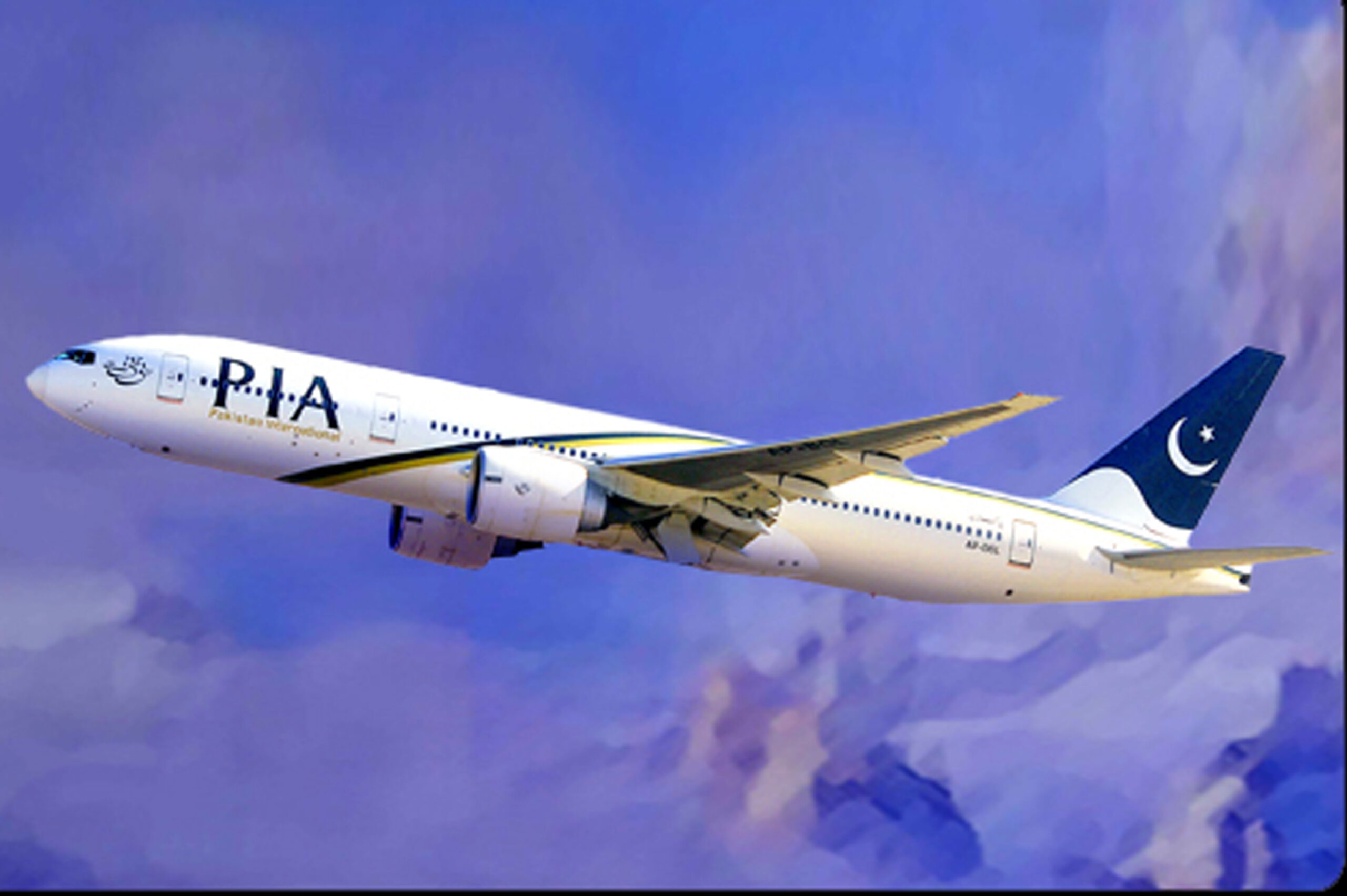
Three Bidders Submit Offers as First Phase of PIA Privatisation Concludes
The first phase of the privatisation process of the national airline has been completed, marking a significant step toward one of the country’s most anticipated divestments. According to officials, three pre-qualified bidders have submitted their bids for the acquisition of the national carrier. The bids are scheduled to be opened at 3:30 pm. Following the opening of bids, the Privatisation Commission (PC) Board will convene to determine the reference price. Once finalized by the Privatisation Commission Board, the reference price will be presented to the Cabinet Committee on Privatisation for approval. Speaking to journalists after the completion of the first phase of bidding, Adviser to the Prime Minister on Privatisation Muhammad Ali said that the process has successfully moved into its next critical stage. “The first phase of bidding for the sale of the national airline has been completed. We will now approach the Privatisation Commission Board, which will review and approve the reserve price,” he said. He emphasized that the reserve price remains confidential and is not known to any party. “After approval by the PC Board, the reserve price will be submitted to the Cabinet Committee on Privatisation for final endorsement,” he added. Muhammad Ali described the development as a major milestone, noting that no large-scale privatisation has taken place in the country over the past two decades. “This is a very important step forward,” he said, underscoring the significance of the process for economic reform and investor confidence.
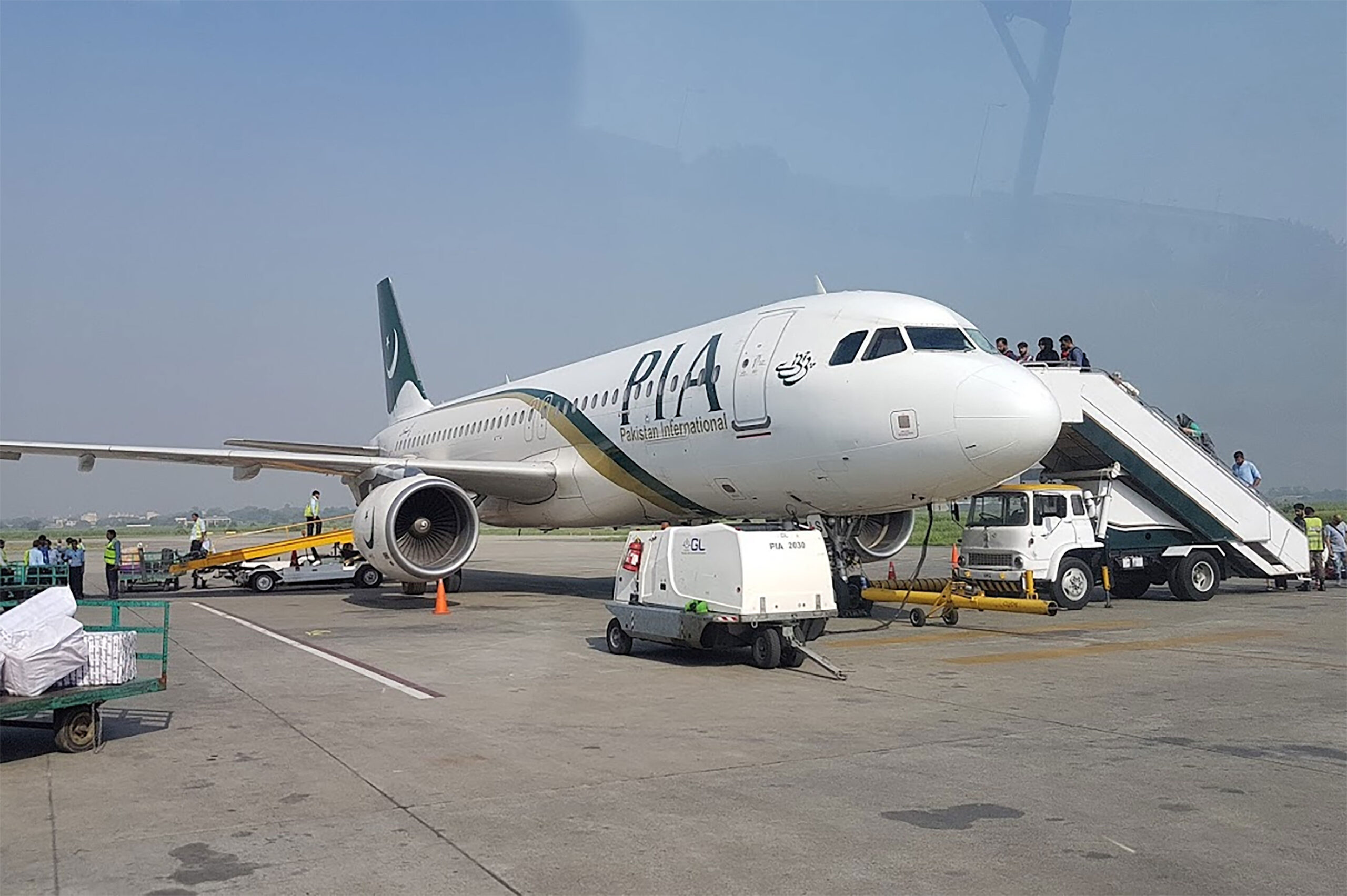
Bidding for 75% Stake in Pakistan International Airlines to Take Place Today
The bidding process for the privatization of a 75 percent stake in Pakistan International Airlines (PIA) will be held today, according to an official statement issued by the Privatization Commission. As per the schedule, bids will be received between 10:45 a.m. and 11:15 a.m., while the bids will be formally opened at 3:30 p.m. After submission, the sealed bids will be placed in a secured box. Subsequently, the Privatization Commission Board will convene to determine the reference price. The Cabinet Committee on Privatization will approve the reference price, which will be officially announced at the time of bid opening. If the submitted bids exceed the reference price, an open auction will be conducted. In case the bids fall below the reference price, preference will be given to the highest bidder. Under the privatization framework, 25 percent of PIA’s shares will remain with the government as a strategic asset. The successful bidder will have the option either to purchase the remaining 25 percent stake or leave it with the government. Following approval from the federal cabinet, the relevant documents received from bidders will be signed. The Privatization Commission will then complete all legal formalities within 90 days. In line with the government’s decision, the entire bidding process will be broadcast live on television networks. Adviser to the Prime Minister on Privatization Muhammad Ali will hold a press conference at the conclusion of the bidding process. The privatization of the national flag carrier is being carried out under Prime Minister Shehbaz Sharif’s economic reform agenda, aimed at restructuring state-owned enterprises and improving overall economic efficiency.
