
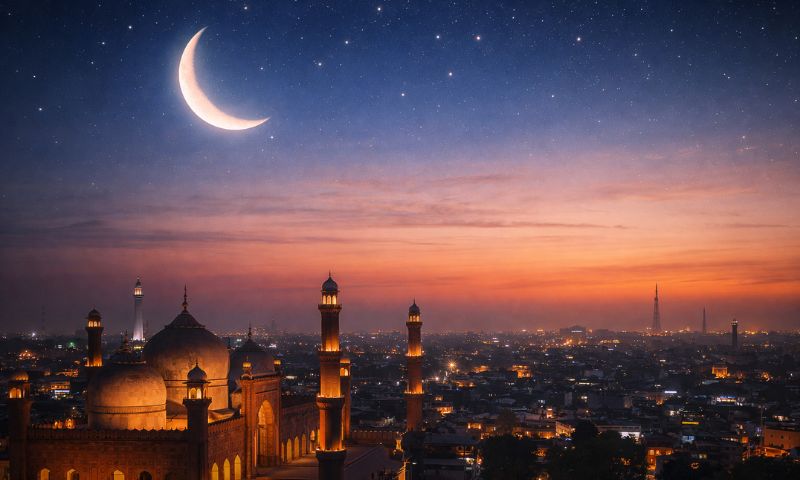
Pakistan will celebrate Eid ul Fitr on Saturday, March 21, 2026, after the Shawwal moon was not sighted in the country. The announcement was made by the Central Ruet-e-Hilal Committee, which met in Islamabad under the chairmanship of Maulana Abdul Khabir Azad to observe the crescent moon. After reviewing reports from across the country, the committee confirmed that no credible moon sighting was received. As a result, Ramadan will complete 30 days and Eid ul Fitr will be observed on Saturday. The Ruet-e-Hilal Committee is the official body responsible for announcing Islamic months in Pakistan, based on verified moon sighting testimonies from different regions. Earlier, astronomical forecasts by the Pakistan Meteorological Department and SUPARCO had also indicated that the chances of moon sighting on March 19 were very low, making March 21 the likely date for Eid. Regional Countries Also Set for Saturday Eid Several countries in South and Southeast Asia are also expected to celebrate Eid on Saturday, March 21, due to similar moon sighting conditions. India has confirmed Eid on March 21 after the crescent moon was not sighted. Bangladesh is also likely to mark Eid on Saturday following the completion of 30 days of Ramadan, while Indonesia and Malaysia are expected to observe the festival on the same day based on local moon sighting and astronomical calculations. These countries traditionally announce Eid based on local moon visibility, which often results in a one-day difference compared to Gulf nations. Moon Sighting Tradition Remains Key Eid ul Fitr marks the beginning of Shawwal, the tenth month of the Islamic calendar, which is based on lunar cycles. The festival is determined by the sighting of the crescent moon, making local observations crucial in deciding the exact date. With Pakistan and several regional countries aligning on Saturday, millions of Muslims will celebrate the end of Ramadan together with Eid prayers, family gatherings, and festive traditions.
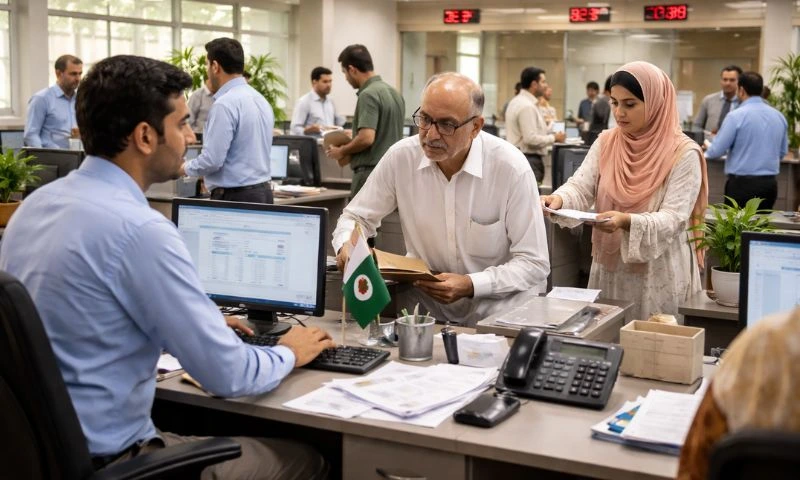
Post-Ramadan Schedule: Federal Offices Return to Full Hours
The federal government has officially announced revised office timings to be observed after the conclusion of Ramadan, signaling a return to extended working hours across public sector institutions. The new schedule, issued by the Establishment Division, will apply to all relevant federal offices nationwide. New Working Hours for Federal Offices According to the official notification, government offices operating on a five-day workweek will function from 8:00 am to 4:00 pm, Monday to Friday. Meanwhile, departments observing a six-day workweek will operate from 8:00 am to 3:00 pm, Monday to Saturday. In both cases, a lunch and prayer break from 1:00 pm to 1:30 pm has been designated, ensuring continuity of work while accommodating daily religious obligations. The revised schedule will come into effect immediately after Ramadan, replacing the reduced working hours that were introduced during the holy month. Transition From Ramadan Schedule During Ramadan, federal offices typically operate on shortened timings to facilitate fasting employees. Earlier this year, offices working five days a week functioned from 9:00 am to 3:00 pm, while six-day offices closed even earlier. The shift back to longer hours reflects a return to normal administrative routines as Eid-ul-Fitr concludes and regular government operations resume. Administrative and Economic Implications The restoration of full working hours is expected to improve efficiency across government departments, many of which experience slower processing during Ramadan due to reduced schedules. Longer office hours typically enhance service delivery in key areas such as documentation, licensing, taxation, and public dealing. For businesses and citizens alike, the change often translates into faster turnaround times and improved access to government services. Experts note that such transitions are critical in maintaining administrative momentum, especially as Pakistan navigates economic challenges and increasing public service demands. Alignment With Seasonal Patterns The announced timings are also consistent with Pakistan’s broader seasonal work patterns. Post-Ramadan schedules often align with summer timings, which generally begin earlier in the day to maximize productivity and manage heat conditions. Historically, federal office hours have followed a similar structure, with early start times and mid-afternoon closures becoming standard practice after Ramadan. What It Means for Employees and Public For government employees, the revised schedule marks a return to longer working days, requiring adjustments in daily routines after a month of reduced hours. For the public, the change is largely positive. Extended office hours increase accessibility, particularly for individuals who rely on government services during working days. The announcement of post-Ramadan office timings is more than a routine administrative update. It reflects the government’s effort to restore operational efficiency while maintaining a structured approach to workforce management. As Pakistan transitions out of Ramadan, the return to standard working hours is expected to support smoother governance, better service delivery, and improved coordination across departments.
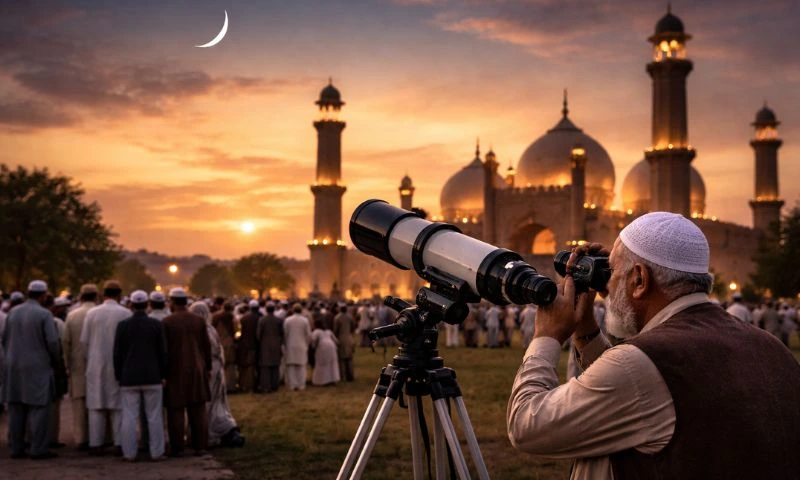
Pakistan Prepares for Eid as Public Holidays Announced
The federal government of Pakistan has officially announced public holidays for Eid ul Fitr 2026, allowing citizens across the country to celebrate the end of Ramadan with family and loved ones. According to a notification issued by the Cabinet Division, Prime Minister Shehbaz Sharif has approved Friday, March 20, and Saturday, March 21, 2026, as public holidays for the occasion of Eid ul Fitr. The holidays will apply to government offices and institutions observing both five-day and six-day working weeks. The announcement enables public and private sector employees to prepare for one of the most important Islamic festivals, which marks the end of the holy month of fasting. Eid expected on March 21 Experts believe Eid ul Fitr is likely to be observed on March 21, 2026, assuming Ramadan completes the full 30 days. The Pakistan Space and Upper Atmosphere Research Commission (SUPARCO) has released astronomical calculations regarding the appearance of the Shawwal moon. According to SUPARCO, “The new moon of Shawwal 1447 AH is expected to be born on March 19, 2026, at 06:23 PST.” The agency further explained that by sunset on March 19 the moon would be approximately 12 hours and 41 minutes old, with an estimated 28-minute gap between sunset and moonset along Pakistan’s coastal regions. However, the final confirmation of Eid will depend on the official moon sighting announcement. Ruet-e-Hilal Committee to make final decision Despite the astronomical predictions, the Central Ruet-e-Hilal Committee will make the official announcement after evaluating moon sightings across the country. The committee traditionally meets on the evening of the 29th day of Ramadan to receive testimony from various regions regarding the sighting of the Shawwal crescent. If the moon is sighted on March 19, Eid will fall on March 20. If not, Ramadan will complete 30 days and Eid will be celebrated on March 21. Moon sighting remains an important religious and cultural tradition in Pakistan, where the announcement is closely followed by millions of citizens. Travel preparations begin across the country With the Eid holidays approaching, preparations for travel and celebrations have already started nationwide. Public transport services are experiencing increasing demand as people plan trips to their hometowns. To facilitate travellers during the festive season, Pakistan Railways has announced the operation of four special Eid trains on major routes across the country. According to railway officials, the special trains will operate between cities including Lahore, Karachi, Quetta, Rawalpindi and Peshawar, helping accommodate the surge in passenger traffic during the holiday period. Authorities say the additional train services aim to ensure safe, timely and convenient travel for passengers heading home for Eid celebrations. Eid preparations underway Eid ul Fitr marks the end of Ramadan, the month of fasting observed by Muslims worldwide. The festival is celebrated with congregational prayers, charity, family gatherings and festive meals. Markets across Pakistan usually witness a sharp rise in shopping activity during the final days of Ramadan, with people purchasing clothes, gifts and food items in preparation for the holiday. The government’s announcement of Eid holidays helps businesses, travellers and families plan their schedules ahead of the celebrations.
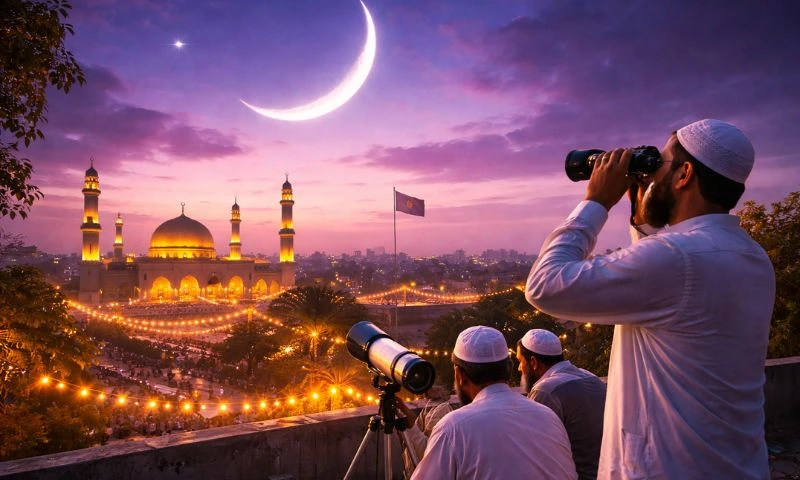
Astronomers Predict Ramadan Crescent Sighting for Pakistan
Pakistan’s top space science body, the Space and Upper Atmosphere Research Commission (SUPARCO), has shared its astronomical outlook for the upcoming Ramadan 1447 AH, offering a forecast on when the holy month is likely to begin in the country. SUPARCO’s prediction plays an important role in informing moon-sighting authorities and the general public about possible timelines for starting the fast. According to SUPARCO’s astronomical data, the new moon (conjunction) for Ramadan is expected to occur on Tuesday, February 17, 2026, marking the beginning of the crucial phase that leads to the holy month. Astronomers use scientific models to determine the moon’s age, angular separation from the sun, and its altitude above the horizon after sunset. These parameters help estimate whether the crescent moon can be sighted with the naked eye the following evening. Local meteorological forecasts also support the likelihood of crescent visibility on Wednesday, February 18, which corresponds to the 29th day of Shaban 1447 AH. In Karachi and other major regions of Pakistan, the Pakistan Meteorological Department (PMD) notes that the moon’s age and position around sunset on February 18 are favourable for sighting, provided weather conditions remain clear or partly cloudy. If the crescent is confirmed on the evening of February 18, the first day of fasting will likely be observed on Thursday, February 19, 2026, in line with traditional practice in South Asia. Moon-sighting committees across the country will convene to share and verify sightings in coordination with scientific inputs. However, SUPARCO and other experts emphasise that astronomical forecasts are not final decisions. The Central Ruet-e-Hilal Committee, Pakistan’s official authority for moon sighting, will conduct meetings, review verified testimonies, and make the final announcement on the start of Ramadan. A key session of the committee is scheduled to take place in Peshawar on February 18, when clerics, meteorologists, and SUPARCO representatives will assess claims and declare the official beginning of the holy month. Ramadan holds deep religious significance for Pakistan’s majority Muslim population. It is observed with fasting from dawn to sunset, increased prayer, charitable giving, and nightly Taraweeh prayers in mosques. The month often encourages community solidarity, reflection, and enhanced spiritual devotion. The practice of relying on both celestial calculations and verified moon sightings reflects a blend of scientific methods and centuries-old religious traditions. Across the Islamic world, different countries may observe slight variations in start dates based on local sightings or astronomical determinations. As Pakistan prepares for the sacred month, citizens are encouraged to follow official updates from the Ruet-e-Hilal Committee and local mosques to mark the start of Ramadan nationwide.
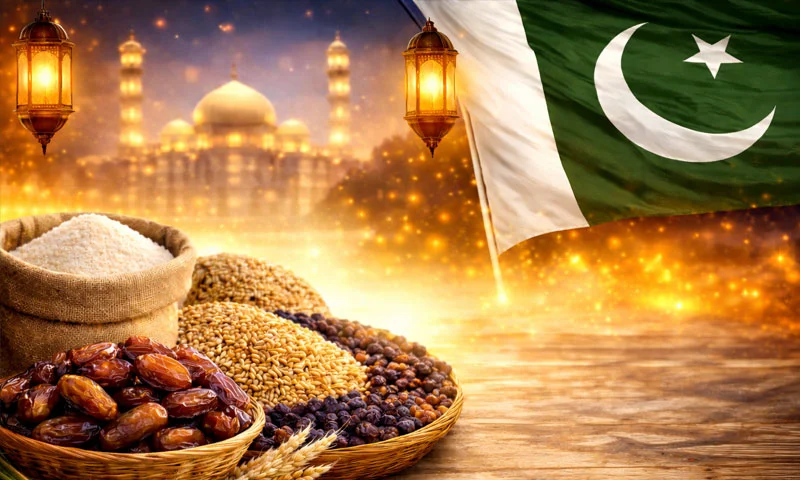
Pakistan Sets 2026 Fitrana and Fidyah Amounts: Here’s What You Must Pay
Pakistan’s Islamic Ideology Council (IIC) has announced the updated Fitrana and Fidyah amounts for Ramadan 2026, aiming to help the faithful fulfil their religious obligations and support underprivileged communities ahead of Eid ul-Fitr. Religions scholars set the amounts after assessing current market prices for key food staples. According to Dr. Raghib Hussain Naeemi, Chairman of the IIC, the minimum amount for both Fitrana (Zakat al-Fitr) and Fidyah has been fixed at Rs 300 per person. However, the actual required amount varies depending on the type of food item chosen as the basis for calculation. The rates for Fitrana and Fidyah this year are: Barley: Rs 1,100 per person Dates (Khajoor): Rs 1,600 per person Raisins (Kishmish): Rs 3,800 per person Dried figs (Maniqah): Rs 5,400 per person These amounts represent the charitable gift that each Muslim who is financially able should pay before Eid prayers. Traditionally, Fitrana is given in the form of basic foodstuffs or their monetary equivalent so that needy families can enjoy the festival with dignity. Fidyah Explained Fidyah is the compensation paid by individuals who are unable to fast during Ramadan due to valid reasons such as chronic illness, pregnancy, old age, or other health limitations. It is meant to ensure that the spirit of charity and community support continues even when a person cannot observe fasts. For those who miss an entire month of fasting, the Fidyah amounts for 30 days have also been set: Wheat: Rs 9,000 Barley: Rs 33,000 Dates: Rs 48,000 Raisins: Rs 114,000 Dried figs (Maniqah): Rs 162,000 In addition, for those using government-supplied flour, the amount for Fitrana or Fidyah per head is Rs 200, and the Fidyah for the full 30 days is Rs 6,000. Religious and Social Guidance Dr. Naeemi emphasised that Zakat al-Fitr is obligatory on every Muslim, regardless of age or gender, provided they have the means to give. He said the charity should be paid before the Eid prayer so the needy can celebrate Eid with adequate food and provisions. He also reminded that if a fast is intentionally broken without a valid reason, the person must either fast for 60 consecutive days or feed 60 needy individuals two meals each as atonement. Comparison With Previous Years In Ramadan 2025, the minimum Fitrana amount was set at Rs 220 per head based on wheat, with higher rates for premium items like dates and raisins. Religious leaders encouraged donors to give according to their financial capacity to maximise support to the less fortunate. This annual announcement serves as an essential guide for households across Pakistan preparing for Ramadan, helping them calculate their charitable contributions and fulfil religious responsibilities in a timely and meaningful way.
