
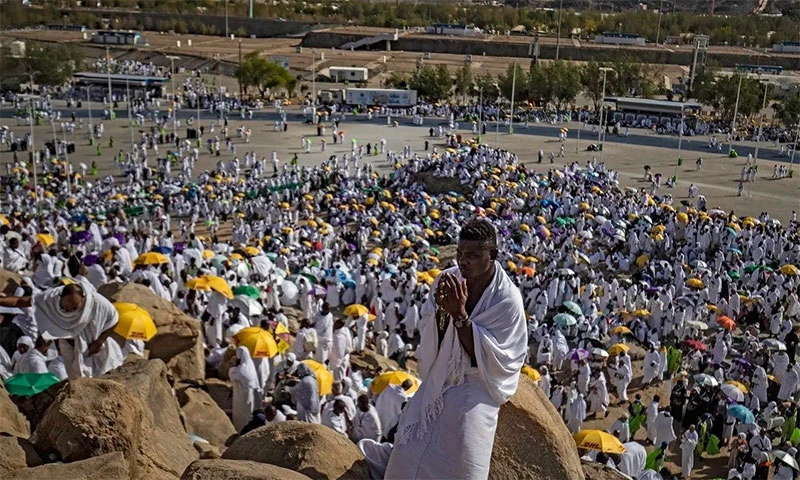
Saudi Ministry of Interior has issued a detailed guide for Hajj 2026 aimed at improving safety, crowd management and movement of pilgrims during the annual Islamic pilgrimage in Makkah. Saudi authorities said the new guidelines seek to provide “a safe, organized, and calm environment for the guests of the Most Gracious” so pilgrims can perform Hajj rituals smoothly and without difficulty. The guide outlines designated entry and exit routes for the Masjid al-Haram, detailed movement plans around Tawaf-e-Kaaba, assigned tracks for Sa’i and instructions regarding major pilgrimage sites. Read More: Saudi Arabia Launches Massive Digital Upgrade for Hajj 2026 Officials said the measures form part of broader preparations to manage millions of pilgrims expected to gather in Saudi Arabia during Hajj season. The ministry also introduced separate movement routes for pilgrims using wheelchairs and electric wheelchairs to improve accessibility and reduce congestion. Authorities clarified that the Sa’i corridor between Safa and Marwah remains reserved only for pilgrims performing Sa’i rituals. The ministry instructed pilgrims not to sit in the corridor or block pathways. Saudi authorities tighten crowd management and safety rules The Interior Ministry additionally urged pilgrims to wear face masks during rush hours and comply fully with safety instructions issued by authorities. Officials stressed that discipline and cooperation from pilgrims would help ensure smoother operations and better services during the pilgrimage. Saudi Arabia has significantly expanded crowd-control measures in recent years after past incidents involving overcrowding during Hajj seasons. The kingdom increasingly relies on digital monitoring systems, surveillance networks and smart crowd management technologies to regulate pilgrim movement around holy sites. Read More: What Pilgrims Must Know Before Hajj 2026 Begins Saudi officials also warned that entering Makkah or the holy sites without an official Hajj permit would constitute a legal violation. “Strict action will be taken against those who enter the holy sites without a Hajj permit,” authorities said. The ministry added that violators would face penalties under relevant Saudi laws. In recent years, Saudi Arabia has tightened enforcement against unauthorized pilgrims as part of efforts to reduce overcrowding and improve safety standards. The government has repeatedly emphasized that official permits remain essential for better management of accommodation, transport and emergency services during Hajj. Millions expected as Saudi Arabia mobilises Hajj operations Saudi authorities say all state institutions have mobilized resources to ensure smooth Hajj arrangements this year. Government agencies continue coordinating transport, healthcare, security and logistical operations across Makkah, Mina, Muzdalifah and Arafat. The kingdom has also expanded heat protection measures as temperatures during Hajj seasons continue rising. Officials recently increased shaded areas, cooling stations and water distribution points around pilgrimage sites to reduce risks linked to extreme summer heat. Read More: Under-15 Ban Scrapped: What It Means for Hajj 2026 Pilgrims Saudi Arabia hosts one of the world’s largest annual religious gatherings during Hajj, attracting millions of Muslims from across the globe. Authorities urged pilgrims to carefully follow official instructions and avoid violations to help maintain order during the pilgrimage. The ministry said cooperation from pilgrims remains critical to ensuring a safe and spiritually fulfilling Hajj experience for everyone attending the annual gathering.
Saudi Arabia Launches Massive Digital Upgrade for Hajj 2026
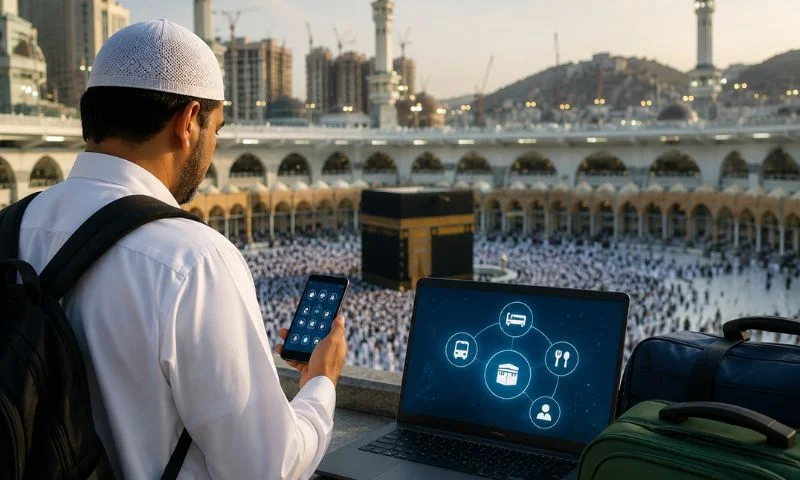
Saudi Ministry of Hajj and Umrah has unveiled a major digital expansion for Hajj 2026, introducing hundreds of online services aimed at simplifying pilgrimage arrangements for millions of Muslims, including pilgrims from Pakistan. The ministry announced that its “Electronic Track” platform now provides more than 250 digital services covering accommodation, transportation, catering and pilgrimage management. Saudi officials say the initiative marks one of the kingdom’s most ambitious digital transformations for Hajj operations in recent years. The platform aims to improve coordination between Hajj authorities, service providers and pilgrims before their arrival in Saudi Arabia. According to the ministry, the system allows authorities to integrate pilgrim data in advance, helping reduce delays and administrative complications during arrival procedures. For Pakistani pilgrims, officials say the changes could significantly improve movement across key pilgrimage sites and reduce waiting times. Saudi authorities have increasingly invested in digital systems as the annual Hajj pilgrimage continues growing in scale and complexity. Electronic Track to Manage Housing, Transport and Services Saudi media reports said the Electronic Track platform operates as a unified digital management system for major Hajj operations. The platform directly coordinates housing allocations, transportation arrangements and catering services for pilgrims. Officials say the integrated system will also streamline movement between Islam’s holiest sites, including Mina, Muzdalifah and Arafat. Read More: Under-15 Ban Scrapped: What It Means for Hajj 2026 Pilgrims The ministry stated that modern data-sharing mechanisms now synchronize operations across multiple departments and agencies involved in Hajj management. Saudi Arabia has accelerated digitization efforts in recent years under its broader Vision 2030 modernization agenda. Authorities have already introduced electronic visas, digital Nusuk permits, smart crowd-management systems and AI-powered monitoring technologies for pilgrims. Pakistan remains one of the largest contributors to the annual Hajj pilgrimage. Thousands of Pakistani pilgrims travel to Saudi Arabia each year under both government and private Hajj schemes. Officials in Pakistan have repeatedly called for faster processing systems and improved coordination to ease logistical challenges faced by pilgrims during the pilgrimage season. Saudi Arabia Expands Smart Hajj Infrastructure The kingdom has heavily upgraded infrastructure in and around Makkah over the past decade to manage rising pilgrim numbers safely and efficiently. Saudi authorities say digital integration now plays a central role in crowd management, transportation tracking and emergency response systems. The Electronic Track initiative also reflects Saudi Arabia’s growing focus on offering seamless digital services for religious tourism. Analysts say the move could further improve Saudi Arabia’s reputation as global demand for Hajj and Umrah services continues increasing. The kingdom has set ambitious targets to attract millions more religious visitors annually under Vision 2030 reforms. For many Pakistani pilgrims, the expanded platform may reduce some of the stress historically linked to travel documentation, accommodation coordination and movement during the physically demanding pilgrimage. Officials say more updates regarding Hajj 2026 procedures and scheduling will be released in the coming months.
