

Saudi authorities have activated simultaneous translation services in 17 languages at Islam’s two holiest mosques as part of a broader digital transformation drive aimed at improving services for millions of pilgrims arriving for Hajj 2026. The Presidency of Religious Affairs at the Grand Mosque in Makkah and the Prophet’s Mosque in Madinah announced the initiative on Saturday, saying the system uses advanced audio technology, artificial intelligence and text-processing tools to provide instant religious guidance and translations for visitors from around the world. According to the presidency, the programme will help pilgrims receive answers to religious inquiries and access awareness material in their native languages with greater ease and accuracy. “This tech-driven initiative is part of the presidency’s digital transformation efforts to elevate the quality of religious services during the Hajj season,” the Saudi Press Agency reported. Saudi officials said the system aims to “deliver the moderate message of the Two Holy Mosques to a global audience” while ensuring that international pilgrims can easily access essential guidance services during their stay. AI and Digital Services Expand During Hajj Saudi Arabia has increasingly integrated technology into Hajj operations in recent years as the kingdom prepares to host growing numbers of pilgrims under its Vision 2030 modernisation strategy. Authorities have already introduced smart cards for pilgrims, AI-based crowd management systems, digital navigation services and multilingual mobile applications to improve safety and organisation during the annual pilgrimage. Read More: Saudi Arabia Introduces New Routes and Rules for Hajj 2026 The simultaneous translation initiative now adds another layer to those efforts, particularly for pilgrims who struggle with language barriers while seeking religious guidance inside the holy mosques. Officials say the technology can instantly translate sermons, fatwas and educational material into multiple languages, helping pilgrims understand instructions more clearly during one of the world’s largest religious gatherings. Saudi Arabia hosts millions of Muslims each year for Hajj and Umrah. Pilgrims arrive from more than 180 countries, making multilingual communication a major logistical challenge for authorities. The Kingdom has significantly expanded digital infrastructure around the holy sites in recent years, including high-speed internet services, smart surveillance systems and AI-assisted crowd monitoring tools designed to improve pilgrim safety. Focus on Pilgrim Convenience and Safety Saudi officials continue to emphasise technology-driven solutions to manage increasing crowds and improve the overall pilgrimage experience. Earlier this week, the Saudi Ministry of Interior issued detailed guidance for pilgrims regarding movement routes around the Grand Mosque, Tawaf and Sa’i areas, transport management and crowd safety measures. Authorities also urged pilgrims to wear masks during crowded periods and comply fully with Hajj regulations. The presidency said the new translation system supports those wider efforts by allowing pilgrims to receive instructions and religious guidance quickly in their preferred languages. Analysts say Saudi Arabia’s growing investment in AI and digital religious services reflects the kingdom’s ambition to modernise pilgrimage operations while maintaining the spiritual significance of the holy sites. The launch also highlights how emerging technologies are reshaping the management of large-scale religious gatherings globally.

Saudi Arabia Enters T20 Cricket With Dunes League Launch
Saudi Arabia will enter the global franchise cricket market later this year with the launch of the six-team Dunes League T20, marking the kingdom’s biggest step yet into the sport. The tournament, officially sanctioned by the Saudi Arabia Cricket Federation, is scheduled to begin in October in Taif near Jeddah. Organisers expect the competition to feature recently retired international players alongside cricketers still active in major franchise tournaments around the world. Read More: Pakistan Cricket’s Two-Year Collapse Leaves Fans Furious Saudi Arabia has rapidly expanded its influence in global sport during recent years through major investments in football, boxing, Formula One, tennis and golf. The kingdom’s Public Investment Fund previously financed LIV Golf, which challenged the PGA Tour and reshaped professional golf’s financial landscape. Cricket has emerged more gradually within Saudi Arabia’s sporting ambitions. The country signed sponsorship agreements with the International Cricket Council and hosted the 2024 Indian Premier League auction in Jeddah. Saudi Arabia also partnered with the International League T20 in the United Arab Emirates and secured a long-term deal to stage the FairBreak Women’s T20 Challenge. However, organisers postponed the inaugural FairBreak edition because of regional tensions in the Gulf. Yuvraj Singh to serve as league ambassador The Dunes League project involves collaboration between Sports Asian Network and two player management agencies. Unique Sports Group, which represents England fast bowler Jofra Archer, has joined the initiative alongside Prolithic, the agency managing Indian batter Abhishek Sharma. Former India all-rounder Yuvraj Singh will serve as the league’s ambassador. Saudi officials first revealed preliminary plans for the competition last year. They stated the league aims to place the kingdom “on the global cricket map” while helping develop local cricket talent. Read More: Saudi Arabia Launches Massive Digital Upgrade for Hajj 2026 The tournament structure also appears designed to comply with International Cricket Council participation regulations. League organisers plan to allow only four players from full-member nations who have represented their countries within the previous two years. Industry experts believe the move may help Saudi Arabia avoid resistance from international cricket boards concerned about player availability and scheduling conflicts. Top player salaries could reportedly reach $100,000 during the tournament’s inaugural edition. Saudi Arabia expands sporting ambitions Saudi Arabia has aggressively increased investment in international sports under Crown Prince Mohammed bin Salman’s Vision 2030 economic diversification strategy. The kingdom aims to reduce dependence on oil revenue while expanding tourism, entertainment and sports industries. Critics, however, continue accusing Saudi Arabia of using sport to improve its international image despite concerns over human rights and political freedoms. Read More: BCCI Under Pressure After Massive IPL 2026 Viewership Slide Saudi officials reject those allegations and argue sports investment supports economic development and social reform. Cricket analysts say the Dunes League may initially target players from associate nations and retired international stars before attempting broader expansion. The success of the tournament could influence whether Saudi Arabia pursues deeper involvement in global cricket through future sponsorships, infrastructure projects or international events.
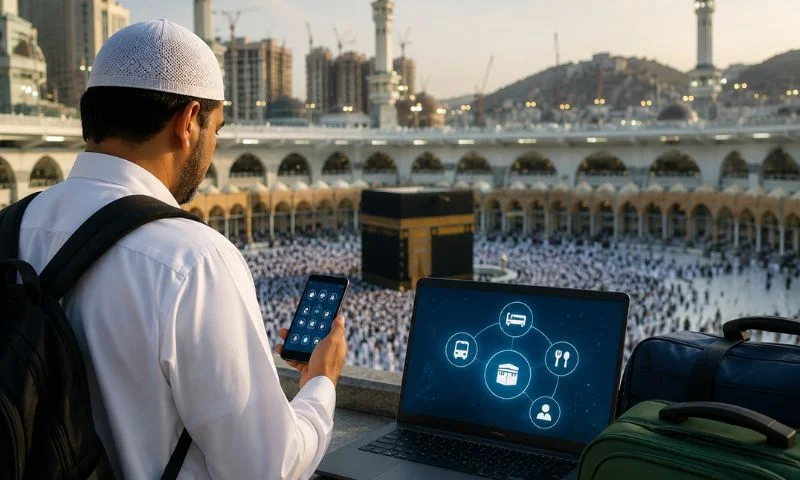
Saudi Arabia Launches Massive Digital Upgrade for Hajj 2026
Saudi Ministry of Hajj and Umrah has unveiled a major digital expansion for Hajj 2026, introducing hundreds of online services aimed at simplifying pilgrimage arrangements for millions of Muslims, including pilgrims from Pakistan. The ministry announced that its “Electronic Track” platform now provides more than 250 digital services covering accommodation, transportation, catering and pilgrimage management. Saudi officials say the initiative marks one of the kingdom’s most ambitious digital transformations for Hajj operations in recent years. The platform aims to improve coordination between Hajj authorities, service providers and pilgrims before their arrival in Saudi Arabia. According to the ministry, the system allows authorities to integrate pilgrim data in advance, helping reduce delays and administrative complications during arrival procedures. For Pakistani pilgrims, officials say the changes could significantly improve movement across key pilgrimage sites and reduce waiting times. Saudi authorities have increasingly invested in digital systems as the annual Hajj pilgrimage continues growing in scale and complexity. Electronic Track to Manage Housing, Transport and Services Saudi media reports said the Electronic Track platform operates as a unified digital management system for major Hajj operations. The platform directly coordinates housing allocations, transportation arrangements and catering services for pilgrims. Officials say the integrated system will also streamline movement between Islam’s holiest sites, including Mina, Muzdalifah and Arafat. Read More: Under-15 Ban Scrapped: What It Means for Hajj 2026 Pilgrims The ministry stated that modern data-sharing mechanisms now synchronize operations across multiple departments and agencies involved in Hajj management. Saudi Arabia has accelerated digitization efforts in recent years under its broader Vision 2030 modernization agenda. Authorities have already introduced electronic visas, digital Nusuk permits, smart crowd-management systems and AI-powered monitoring technologies for pilgrims. Pakistan remains one of the largest contributors to the annual Hajj pilgrimage. Thousands of Pakistani pilgrims travel to Saudi Arabia each year under both government and private Hajj schemes. Officials in Pakistan have repeatedly called for faster processing systems and improved coordination to ease logistical challenges faced by pilgrims during the pilgrimage season. Saudi Arabia Expands Smart Hajj Infrastructure The kingdom has heavily upgraded infrastructure in and around Makkah over the past decade to manage rising pilgrim numbers safely and efficiently. Saudi authorities say digital integration now plays a central role in crowd management, transportation tracking and emergency response systems. The Electronic Track initiative also reflects Saudi Arabia’s growing focus on offering seamless digital services for religious tourism. Analysts say the move could further improve Saudi Arabia’s reputation as global demand for Hajj and Umrah services continues increasing. The kingdom has set ambitious targets to attract millions more religious visitors annually under Vision 2030 reforms. For many Pakistani pilgrims, the expanded platform may reduce some of the stress historically linked to travel documentation, accommodation coordination and movement during the physically demanding pilgrimage. Officials say more updates regarding Hajj 2026 procedures and scheduling will be released in the coming months.
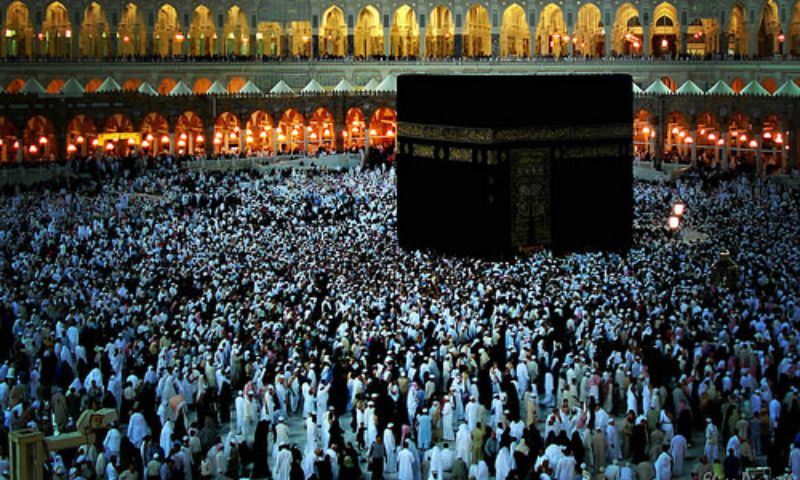
Saudi Arabia Breaks Umrah Record with 904,000 Pilgrims on Ramadan Day 4
Makkah, Saudi Arabia Saudi Arabia has witnessed an unprecedented surge in Umrah pilgrims during the holy month of Ramadan 1447 AH (2026), with authorities announcing a record-breaking 904,000 worshippers performing Umrah in a single day — the fourth day of Ramadan. This figure marks the highest one-day attendance ever recorded at Masjid al-Haram, the Grand Mosque in Makkah, underscoring the scale of the annual religious observance. Historic One-Day Peak for Umrah Pilgrims On Saturday, February 21, 2026 — corresponding to 4 Ramadan 1447 AH — the General Presidency for the Affairs of the Grand Mosque and the Prophet’s Mosque confirmed that 904,000 pilgrims visited the Grand Mosque complex to perform Umrah and prayers. This turnout surpasses previous single-day high watermarks and reflects surging global interest in spiritual travel during the most sacred month of the Islamic calendar. Officials noted that the extraordinary turnout came at the start of Ramadan’s first weekend, when millions of Muslims travel to Saudi Arabia for the lesser pilgrimage and to participate in extended prayers such as Taraweeh. The sheer volume highlights the Kingdom’s growing capacity to host worshippers at Islam’s holiest site. Read More: Saudi Arabia Tightens Travel Sector Rules, Cracks Down on Unlicensed Umrah Agencies Managing Crowds at the Grand Mosque With such numbers, Saudi authorities have enhanced crowd management and logistical operations around the Haram and its courtyards. Traffic is regulated, pedestrian corridors are established, and public transport services are deployed to ensure worshippers can perform rituals safely and with dignity. The iconic Mataf area that surrounds the Kaaba has been kept open throughout the day to accommodate the continuous flow of pilgrims. Officials have also issued detailed guidelines to regulate access, including use of illuminated signals at mosque entrances that indicate capacity status. Green lights show available space while red indicates full capacity, so pilgrims know when to enter or wait. Ramadan Experience and Services The record crowd reflects the broader energy and spiritual uplift of Ramadan. Saudi Arabia has rolled out enhanced services at the Two Holy Mosques, including multilingual smart screens providing guidance in over 50 languages — crucial for the global array of visitors. Authorities have also launched digital pilgrim guides in 16 languages to help overseas visitors navigate the rites and practicalities of performing Umrah safely and respectfully. Read More: Zong vs Ufone vs Jazz: The Ramadan Bundles Everyone Talks About Pilgrimage Context and Growth This year’s record occurs amid a larger trend of increasing pilgrim traffic to Saudi Arabia. In 2025, the Kingdom reported that more than 19.5 million Hajj and Umrah pilgrims arrived from abroad, with satisfaction rates over 90 percent, reflecting improvements in services and infrastructure under Vision 2030 goals. Despite viral claims online, multiple sources clarify that figures like 11 million pilgrims in a single day are inaccurate; they reflect monthly totals across seasonal peaks, not daily headcounts. As Ramadan progresses, Saudi Arabia continues to balance spiritual devotion with safety and convenience, aiming to welcome as many pilgrims as possible while maintaining calm and order at Islam’s most sacred sites.
