

The federal government has initiated a major overhaul of Pakistan’s paper currency, formally approving the redesign of several high-value banknotes as part of a broader effort to modernize the country’s monetary system. The decision was finalized during a federal cabinet meeting held in Islamabad, presided over by Prime Minister Shehbaz Sharif, where the finance ministry presented a detailed briefing on the scope and objectives of the proposed changes. According to officials familiar with the discussions, the State Bank of Pakistan has already begun work on the new banknote designs, aligning them with contemporary global standards. International specialists have also been brought on board to ensure the notes incorporate advanced security and design features used by leading economies. The redesigned series will cover Rs100, Rs500, Rs1,000, and Rs5,000 denominations, representing the most significant visual update to Pakistan’s currency in years. The emphasis, officials said, is not just aesthetic but also functional. Enhanced security elements, including modern security threads and upgraded anti-counterfeiting features, will be embedded into the new notes. These measures are intended to curb the circulation of fake currency and reinforce public trust in Pakistan’s financial system. Beyond security, the new designs aim to project a stronger national identity. The cabinet was informed that the banknotes will highlight Pakistan’s geographical and regional diversity, alongside notable historical and cultural landmarks from across the country. The proposed designs will also carry symbolic messaging. Social themes such as women’s contribution to national progress and the growing impact of climate change are expected to be reflected, signaling a shift toward more inclusive and forward-looking currency imagery. Before the redesigned notes are issued to the public, the federal cabinet has set up a dedicated committee to review the proposals in detail and oversee the final stages of the process.
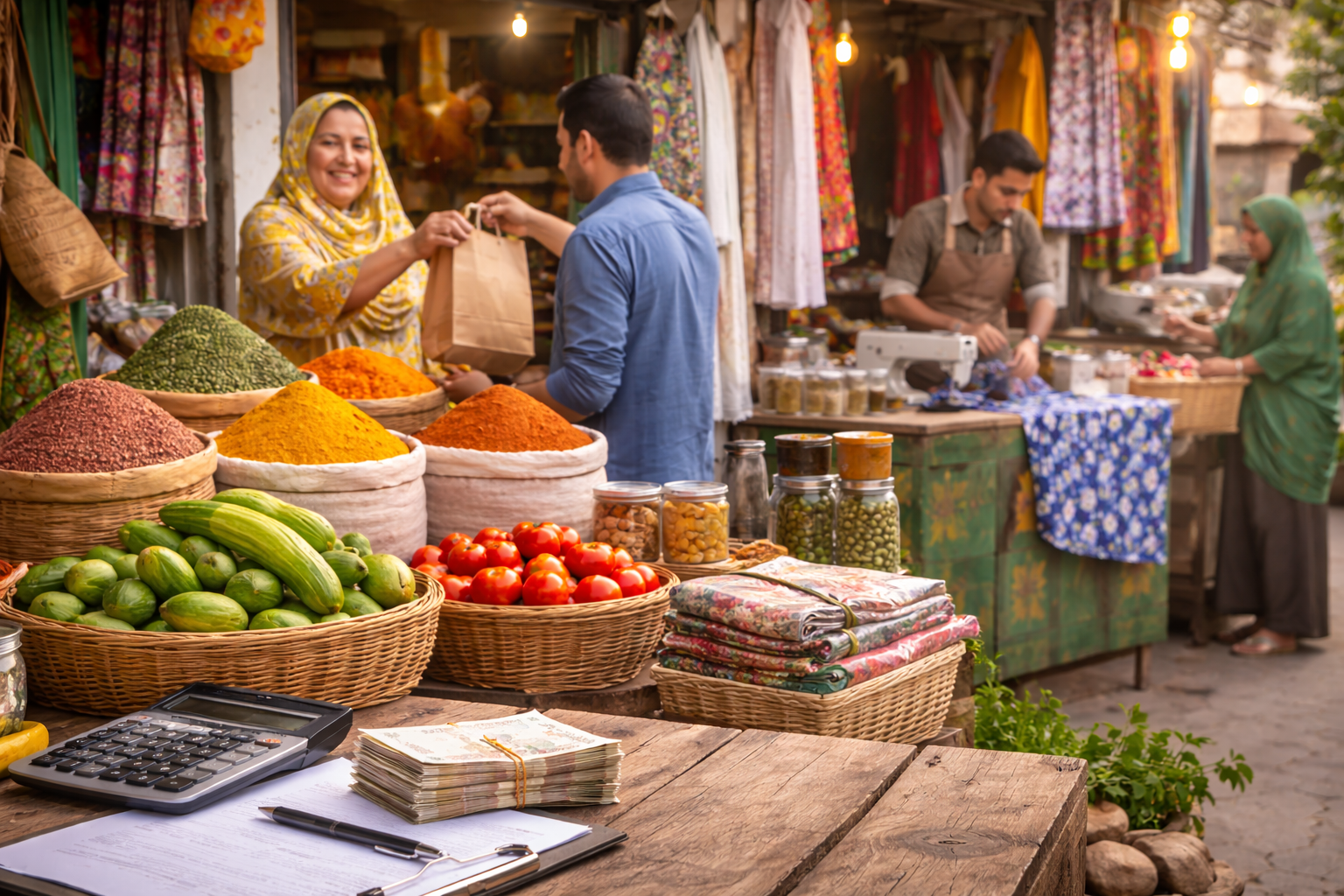
Good News for Small Businesses in Pakistan: PM Orders Easier Loans for SMEs
Prime Minister Shehbaz Sharif on Monday directed relevant institutions to fast-track measures that make bank financing more accessible for small and medium-sized enterprises (SMEs), signaling renewed government focus on strengthening one of Pakistan’s most important economic sectors. The directive was issued during a high-level meeting convened to review the business plan of the Small and Medium Enterprises Development Authority (SMEDA), which aims to accelerate SME growth and improve their contribution to the national economy. Emphasising the importance of the sector, the prime minister described SMEs as the backbone of Pakistan’s economy, noting that their expansion could play a decisive role in boosting exports, employment, and industrial productivity. “Small and medium-sized businesses hold enormous potential,” the prime minister said, adding that stronger SMEs could significantly enhance Pakistan’s export base and overall economic resilience. Three-year roadmap for SME expansion During the meeting, officials presented a comprehensive three-year roadmap designed to address long-standing challenges faced by SMEs, particularly access to finance, skills development, and competitiveness in international markets. The plan outlines targeted strategies to improve credit availability, promote innovation, and integrate SMEs into global value chains. The prime minister appreciated the roadmap, describing it as practical, realistic, and aligned with market needs. He also commended Haroon Akhtar, Special Assistant to the Prime Minister on Industries, along with the newly appointed SMEDA Board of Directors, for developing a focused and results-oriented plan. Improving access to finance and global competitiveness A key focus of the discussion was improving SME access to loans through banks and financial institutions. The prime minister urged closer coordination between government bodies and the banking sector to remove procedural hurdles and encourage lending to small businesses. The meeting also reviewed ongoing initiatives aimed at enhancing the global competitiveness of Pakistani SMEs, including partnerships with international organisations and capacity-building programmes tailored to export-oriented businesses. Officials highlighted recent training workshops held in six cities, which were designed to strengthen SME management skills and prepare entrepreneurs for global market demands. Special initiatives to increase women’s participation in the SME sector were also shared, reflecting the government’s broader inclusion agenda. Broad institutional support The meeting brought together key stakeholders, including Federal Minister for Information Ataullah Tarar, Jameel Ahmed, Governor of the State Bank of Pakistan, chief secretaries of all four provinces, as well as representatives from Azad Jammu and Kashmir and Gilgit-Baltistan. Newly appointed members of the SMEDA Board and officials from relevant institutions also participated, underlining broad-based institutional backing for SME-led growth. The renewed push reflects the government’s intent to empower SMEs as engines of growth, exports, and job creation, offering fresh optimism for entrepreneurs across Pakistan.
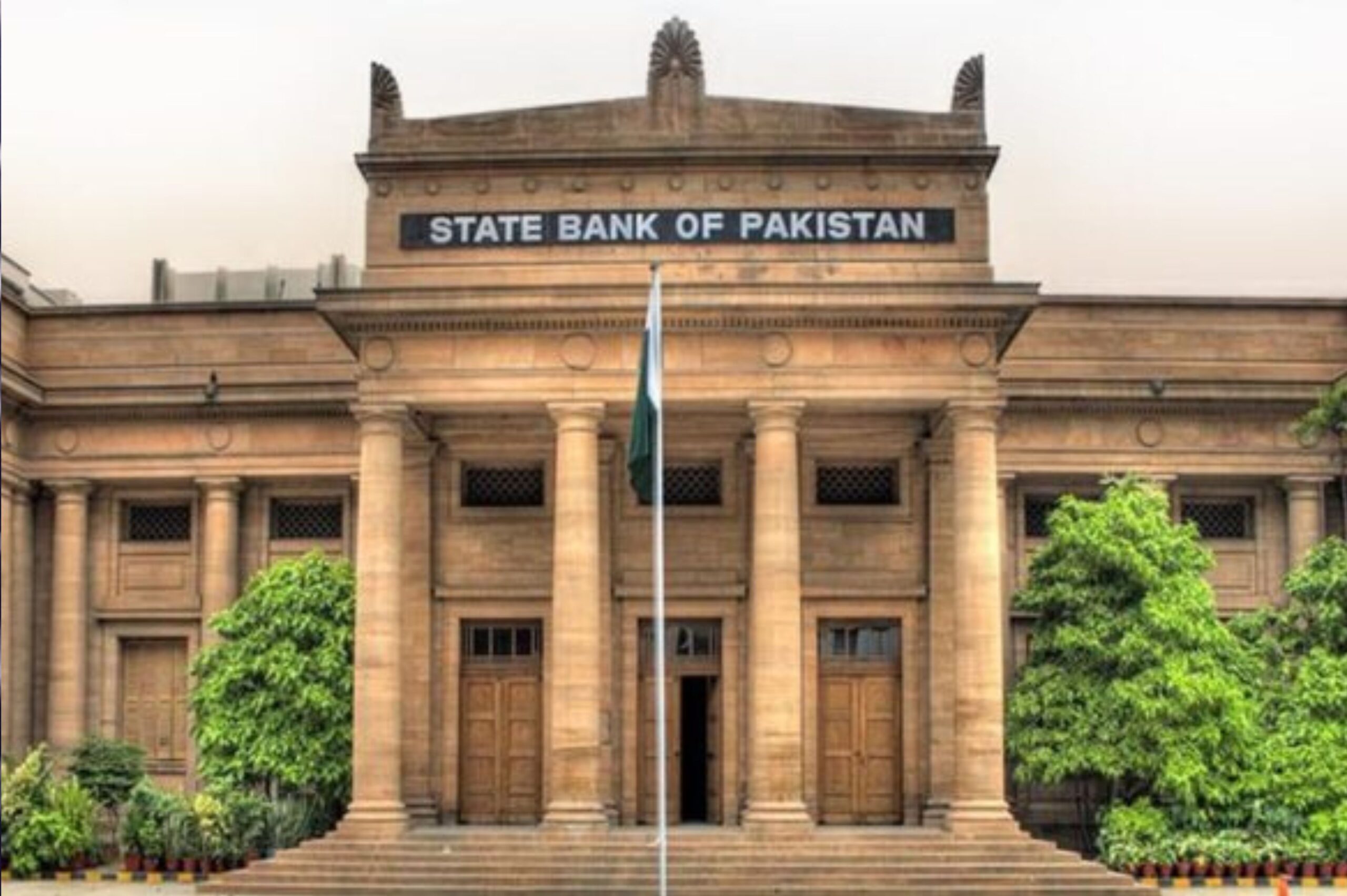
Banks in Pakistan to Remain Closed on New Year’s Day, SBP Announces
On December 30, 2025, the State Bank of Pakistan (SBP) issued Circular Letter No. 26 of 2025, announcing a bank holiday on January 1, 2026. This notice requires all commercial banks, microfinance banks, and development finance institutions to remain closed for public dealing on that day. The decision affects normal banking operations and means customers will not be able to conduct in-person transactions at SBP or its regulated banks on New Year’s Day. SBP’s official announcement, shared through its Banking Policy & Regulations Department, confirmed that the institution will observe January 1, 2026 as a bank holiday. This closure aligns with the national calendar and gives bank staff and customers a public holiday to mark the start of the new year. The circular directs bank presidents and chief executives to adjust schedules and inform branches ahead of time so that no confusion arises about services on that date. This move is consistent with previous SBP notices that declared public holidays for banks, especially at year-end or around major national events. In 2025 alone, multiple circular letters from SBP outlined other official bank holidays, including earlier in the year. These notices help banks manage operations, staffing, and customer expectations. In addition to holiday announcements, the SBP regularly updates policies that shape Pakistan’s financial landscape. Throughout 2025, its circulars covered a wide range of regulatory and operational matters, from corporate governance changes to upgraded auditing panels and public holiday schedules. These notices strengthen the framework within which banks and financial institutions operate, ensuring compliance with SBP’s standards. For everyday customers, the January 1 bank holiday means planning ahead for routine transactions such as cash withdrawals, deposits, account openings, or loan inquiries. However, digital and mobile banking services are expected to remain functional, so customers can still manage accounts online even when physical branches are closed. This reflects a broader trend where SBP and banks encourage electronic banking use and financial inclusion across Pakistan.
