
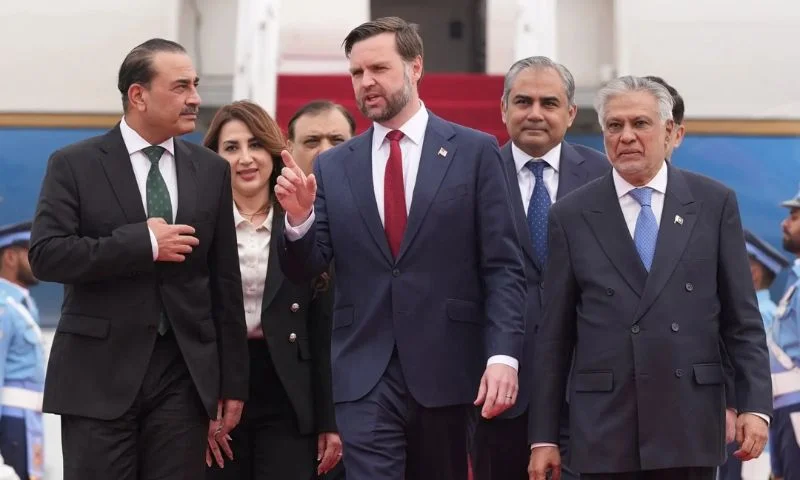
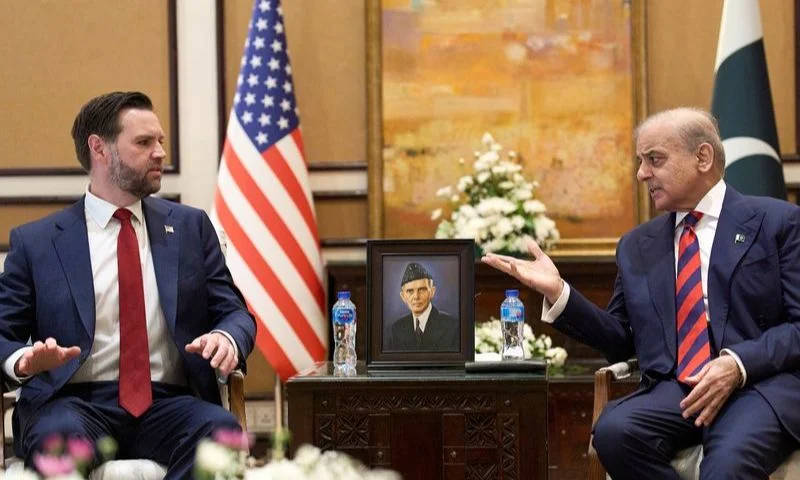
Pakistan now finds itself at a delicate crossroads after hosting historic but inconclusive negotiations between the United States and Iran, with officials and analysts warning that the next phase could prove even more critical than the talks themselves. The marathon discussions in Islamabad, which lasted nearly 21 hours, ended without an agreement, leaving key disputes unresolved and the fragile ceasefire hanging in the balance. Read More: 21 Hours, No Deal — What Really Happened in US-Iran Talks in Islamabad? While both delegations departed without a deal, the fact that direct, high-level engagement took place at all has been widely described as a significant diplomatic achievement for Islamabad, which played a central role in bringing the two sides together. Pakistan’s leadership moved quickly to frame the outcome as part of a longer diplomatic process rather than a setback. Deputy Prime Minister and Foreign Minister Ishaq Dar said the talks were “a constructive step forward” despite the absence of an agreement, stressing that dialogue between the United States and Iran must continue. “Pakistan remains committed to facilitating peace and stability in the region and will continue to support all efforts aimed at de-escalation,” he said, adding that Islamabad’s role was to “provide a neutral platform where both sides can engage meaningfully.” No deal, but dialogue continues US Vice President JD Vance said Washington had made its “best, final offer,” but talks collapsed after Tehran refused to accept key conditions, particularly around nuclear commitments. Iran, for its part, described the discussions as “intensive” and signaled that responsibility for the next move lies with the United States, reflecting deep mistrust that continues to define relations between the two countries. Core disagreements remain entrenched. Washington is seeking limits on Iran’s nuclear programme and missile capabilities, while Tehran is demanding sanctions relief, sovereignty guarantees and regional security concessions. Despite the lack of immediate progress, diplomats say the willingness to engage directly marks a shift from years of indirect negotiations, keeping the door open for future rounds. Pakistan’s role under spotlight For Pakistan, the outcome represents both a success and a challenge. The country managed to broker a two-week ceasefire earlier and host one of the most significant diplomatic encounters between the US and Iran in decades. Officials in Islamabad have framed the talks as part of a broader effort to promote regional stability, positioning Pakistan as a neutral mediator capable of bridging divides between major powers. Security preparations and logistical coordination were extensive, with Islamabad effectively transformed into a high-security diplomatic zone during the talks, reflecting the sensitivity of the moment. Analysts say Pakistan’s credibility as a mediator has been strengthened, even without a deal, but sustaining momentum will be the real test. What happens next The immediate concern is the durability of the ceasefire. Experts warn that without tangible progress, the truce could collapse, potentially triggering renewed hostilities in a region already strained by conflict and economic disruption. Diplomatic sources suggest that Pakistan may continue its backchannel efforts, encouraging both sides to return to the table while working with regional and global stakeholders to maintain pressure for dialogue. There is also growing expectation that future negotiations may expand to include broader regional issues, including security arrangements in the Gulf and freedom of navigation in the Strait of Hormuz, which has been central to the dispute. At the same time, global powers including France and Russia have called for restraint and urged both sides to use the Islamabad talks as a foundation for further diplomacy. For Pakistan, the coming weeks will be decisive. Its role could evolve from host to long-term facilitator, or risk being sidelined if talks shift elsewhere. For now, the outcome remains uncertain. The talks may have ended without a deal, but they have opened a narrow path forward, one that Islamabad will be under pressure to keep alive. Read More: Trump Hands JD Vance High-Risk Mission to Lead Iran Talks in Pakistan
21 Hours, No Deal — What Really Happened in US-Iran Talks in Islamabad?
High-stakes face-to-face talks between the United States and Iran in Islamabad ended without a breakthrough after nearly 21 hours of negotiations, underscoring deep divisions but also highlighting Pakistan’s emerging diplomatic role in one of the world’s most volatile crises. The negotiations, described as historic, brought senior officials from Washington and Tehran to the table following weeks of military escalation that had raised fears of a wider regional conflict. While no agreement was reached, both sides signaled willingness to continue dialogue. US Vice President JD Vance, who led the American delegation, acknowledged the difficulty of the talks but praised Pakistan’s efforts in facilitating the dialogue. “These were long and tough discussions,” Vance said, adding that while no deal was finalized, “we appreciate Pakistan’s role in bringing both sides together.” Long talks, limited progress Officials familiar with the discussions said the negotiations focused on a range of contentious issues, including Iran’s nuclear programme, sanctions relief and security guarantees in the Strait of Hormuz. Despite extended sessions lasting nearly a full day, both sides remained far apart on key demands. Iranian officials reportedly pushed for immediate sanctions easing, while the US delegation emphasized stricter oversight of Tehran’s nuclear and missile activities. The talks were held in Islamabad under tight security, reflecting both the sensitivity of the discussions and the significance of Pakistan’s role as host. Diplomats described the meeting as a rare moment of direct engagement after years of indirect negotiations. According to officials, the absence of a deal does not signal failure but rather the complexity of the issues at hand. Both sides agreed to keep communication channels open, raising the possibility of further rounds in the coming weeks. Pakistan’s role gains global attention Pakistan’s mediation efforts drew international attention, with analysts noting that Islamabad’s ability to bring the two adversaries to the same table marked a significant diplomatic achievement. Prime Minister Shehbaz Sharif had earlier emphasized Pakistan’s commitment to peace, positioning the country as a neutral facilitator amid escalating tensions in the Middle East. Diplomatic sources said Pakistan played a key role in coordinating logistics, backchannel communication and security arrangements, enabling both delegations to engage directly in a controlled environment. Observers say this development reflects a broader shift in Pakistan’s foreign policy, with increasing emphasis on mediation and regional stability. Fragile ceasefire, uncertain path ahead The Islamabad talks come after a fragile ceasefire that followed weeks of confrontation involving missile strikes and heightened tensions across the region. While the truce has held for now, experts warn it remains vulnerable to collapse without a comprehensive agreement addressing underlying disputes. Analysts say the lack of an immediate breakthrough highlights the challenges facing negotiators, particularly given the high stakes and entrenched positions on both sides. At the same time, the willingness to engage directly is being seen as a positive sign. Diplomats note that even inconclusive talks can help build trust and lay the groundwork for future agreements. As global attention remains fixed on the Middle East, the Islamabad meeting may prove to be an important step in a longer diplomatic process, even if immediate results remain elusive.
Trump Claims Progress in Iran Talks via Pakistan, Floats Kharg Island Seizure
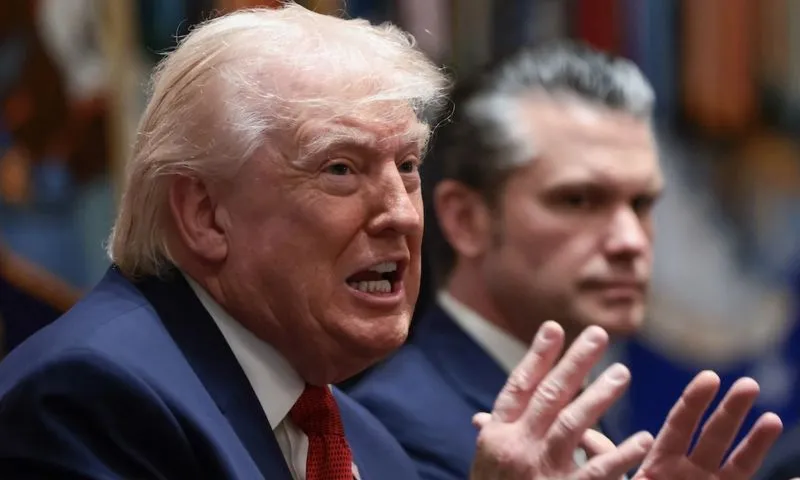
US President Donald Trump has claimed there is progress in indirect talks with Iran, reportedly being facilitated through Pakistan, even as he floated a controversial plan to seize Iran’s most critical oil export hub, Kharg Island. Pakistan emerges as key mediator According to multiple international reports, Pakistan has stepped forward as a potential venue for dialogue between Washington and Tehran. Officials in Islamabad have expressed readiness to host talks aimed at de-escalating the ongoing conflict. Trump confirmed that both direct and indirect contacts are underway, describing Iran’s current leadership as “very reasonable” and suggesting there is room for a negotiated outcome despite ongoing hostilities. However, Iran has publicly downplayed or denied meaningful progress, even as backchannel diplomacy continues. Contradictions between diplomacy and military buildup While diplomatic efforts are being explored, the situation on the ground remains tense. The United States has deployed additional troops to the Middle East, and the Pentagon is reportedly preparing for possible limited ground operations. Iran, on the other hand, has warned that any US ground incursion would trigger a strong military response, accusing Washington of pursuing war while simultaneously calling for talks. The conflict, now stretching into weeks, has already disrupted global oil markets and intensified instability across key shipping routes like the Strait of Hormuz. Trump raises possibility of seizing Kharg Island In a dramatic escalation, Trump suggested that US forces could take control of Kharg Island, Iran’s primary oil export terminal in the Persian Gulf. He reportedly said his “preference would be to take the oil,” adding that seizing the island could be done “easily,” although he stopped short of confirming any final decision. Kharg Island is a critical economic lifeline for Iran, handling around 90 percent of the country’s crude exports, making it a strategic target in any effort to pressure Tehran. Analysts warn that any attempt to seize or attack the island would mark a major escalation and could send global oil prices soaring, potentially destabilizing already fragile markets. A high-risk path ahead Trump’s dual approach, pursuing negotiations while openly discussing aggressive military options, has created uncertainty about US strategy. On one hand, Pakistan-backed talks offer a possible diplomatic exit. On the other, threats to capture Iran’s oil infrastructure signal that Washington is prepared to escalate if talks fail. With regional tensions widening and global economic risks mounting, the coming days could prove critical in determining whether diplomacy prevails or the conflict deepens further.
Pakistan Steps Into Global Spotlight as Saudi, Turkish, Egyptian FMs to arrive in Islamabad for Urgent Peace Talks
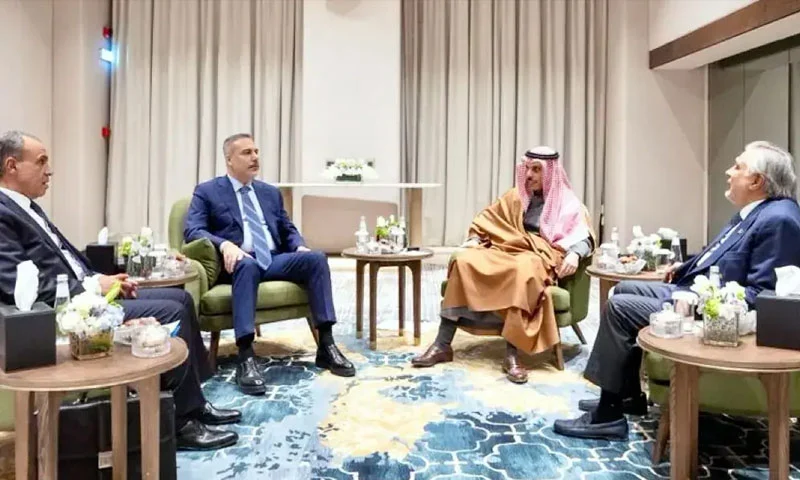
Foreign ministers from Saudi Arabia, Türkiye and Egypt are set to arrive in Islamabad for crucial talks aimed at de-escalating tensions in the Middle East amid the ongoing US-Israel conflict with Iran. The visit, scheduled for March 29 to 30, comes at the invitation of Pakistan’s Deputy Prime Minister and Foreign Minister Ishaq Dar. Officials said the leaders will hold “in-depth discussions on a range of issues, including efforts to de-escalate tensions in the region.” Pakistan Emerges as Key Mediator Pakistan is increasingly positioning itself as a key diplomatic bridge between global and regional powers in the ongoing crisis. According to officials, Islamabad has already conveyed proposals between the United States and Iran and has offered to host formal negotiations between the two sides. Recent reports suggest that Iran has indicated willingness to consider talks in Pakistan or Türkiye, highlighting Islamabad’s growing role in mediation efforts. Focus on De-Escalation and Ceasefire Efforts The visiting foreign ministers will meet Pakistani leadership, including Prime Minister Shehbaz Sharif, to discuss ways to reduce tensions and move toward a ceasefire. Türkiye’s Foreign Minister Hakan Fidan said the meeting aims to create a mechanism for de-escalation and assess the direction of ongoing negotiations. He stated, “We would discuss where the negotiations in this war are heading and what can be done.” Regional Powers Step Up Diplomatic Efforts Saudi Arabia, Türkiye and Egypt have been actively involved in diplomatic efforts to ease tensions between Washington and Tehran. These countries share concerns about disruptions to global energy supplies and key trade routes, especially as the conflict impacts the wider region. Pakistan has also engaged with several international stakeholders, including China and Gulf nations, to coordinate efforts aimed at stabilising the situation. War Impact Driving Urgent Talks The diplomatic push comes as the Middle East conflict continues to affect global markets and regional security. Oil prices have surged, and fears remain over potential disruptions to shipping routes such as the Strait of Hormuz. Regional powers are now seeking urgent solutions to prevent further escalation and economic fallout. A Critical Opportunity for Diplomacy The Islamabad talks are being seen as a significant opportunity to advance peace efforts. With multiple countries involved and backchannel communication already underway, the meeting could pave the way for broader negotiations between the United States and Iran. However, major challenges remain, including differences over Iran’s nuclear programme and regional influence. Strengthening Regional Cooperation Officials say the visit will also strengthen cooperation between Pakistan and the three countries across multiple areas of mutual interest. The talks highlight growing coordination among regional powers to address shared security and economic concerns.

Trump Issues Stark Warning to Iran Amid Growing Regional Conflict
Tensions in the Middle East have intensified after former US President Donald Trump issued a stark warning to Iran, saying the country could face severe consequences as the conflict involving the United States, Israel and Iran continues to escalate. The remarks come at a time when the region is already experiencing one of its most volatile security crises in recent years. Trump made the warning in a post on his Truth Social platform, where he indicated that the United States could expand its strikes against Iran if the situation deteriorates further. The statement follows a series of military exchanges and retaliatory attacks involving Iran and its regional adversaries. Trump’s Warning to Iran In his message, Trump suggested that stronger action could be taken against Iranian targets if the conflict continues. He wrote, “Today Iran will be hit very hard!” and warned that additional Iranian officials and locations could be targeted. He further claimed that Iran had apologized to its neighboring countries following recent attacks and said the situation had shifted significantly due to ongoing US and Israeli military pressure. Trump stated that Iran had promised not to launch further attacks against regional states. Trump also declared that Iran was no longer the dominant power in the region, saying it was no longer the “Bully of the Middle East.” Rising Conflict Across the Region The warning comes as the Middle East faces mounting instability following recent Iranian missile and drone attacks targeting several Gulf states. These attacks have triggered defensive responses from regional militaries and intensified international concern about a wider regional war. Iranian President Masoud Pezeshkian recently acknowledged the regional tension and issued an apology to neighboring countries affected by the attacks. In a televised statement he said, “I apologize … to the neighboring countries that were attacked by Iran.” Despite the apology, reports indicate that missile and drone attacks continued in some parts of the region, raising fears that the conflict could escalate further. Global Powers Call for Restraint As the crisis deepens, several global powers have urged restraint and diplomacy. China’s foreign minister recently warned that the international community must avoid allowing the conflict to spiral into a larger regional war, stressing that military force cannot replace diplomacy. International analysts say the conflict could have far reaching consequences for global security, energy markets and international shipping routes, particularly in the strategically important Gulf region. The Strait of Hormuz, through which a large share of the world’s oil supply passes, remains a major concern for policymakers and energy markets if the conflict continues to intensify. A Region on Edge The latest developments highlight how quickly tensions in the Middle East can escalate and draw in global powers. Military exchanges, diplomatic warnings and regional security concerns are now unfolding simultaneously. While some leaders continue to push for negotiations, others warn that the conflict could expand if further attacks occur. For now, the situation remains volatile as governments across the region closely monitor developments that could reshape the geopolitical balance of the Middle East.
