

Meta Platforms has announced a major update to how it personalises content across Facebook and Instagram, revealing that it will now use data shared by other businesses to tailor not only advertisements but also users’ feeds and interactions with its artificial intelligence tools. The move marks a significant expansion of Meta’s personalisation strategy as the company intensifies efforts to integrate AI across its platforms and compete with rivals in the rapidly evolving artificial intelligence market. In a blog post published on Tuesday, Meta said it already uses off-platform activity, such as purchases made on external websites and interactions with online services, to deliver targeted advertisements. Under the new policy, the company will also use that information to customise content recommendations and AI-generated responses. Meta stressed that it is not collecting additional data as part of the change. “We aren’t collecting any new data as part of this update,” the company said. “This is about using information that businesses already send to us to further improve your experience.” The update means users could see content that reflects their activity beyond Facebook and Instagram. Meta provided an example of a consumer who recently purchased a tent online and may subsequently see camping-related videos in their Reels feed. AI and Content Personalisation Meta spokesperson Emil Vazquez told technology publication The Verge that the company previously relied primarily on activity within its own ecosystem, including likes, follows, comments and viewing behaviour, to personalise content recommendations. The latest change broadens that approach by incorporating data supplied by businesses through Meta’s advertising and tracking infrastructure. The development also follows Meta’s growing use of artificial intelligence across its platforms. Last year, the company began using conversations with its AI assistant to personalise advertising experiences. Industry analysts view the latest update as part of Meta’s wider strategy to make its AI tools more relevant and responsive by leveraging a broader range of user signals. The company has invested billions of dollars in AI infrastructure and recently introduced several AI-powered products aimed at improving user engagement and advertising effectiveness. Privacy Controls Remain Available Alongside the update, Meta has simplified the controls governing access to off-platform information. Users who do not want Meta to use information shared by other businesses for advertising, feed recommendations or AI responses can disable the “Activity from other businesses” setting. According to Vazquez, the rollout will occur globally but several regions will not receive the feature initially. The excluded markets include the European region, the United Kingdom, Brazil, Thailand, South Africa, Turkey, South Korea, Ecuador, Nigeria and Kenya. The announcement is likely to reignite debates surrounding digital privacy, data collection and the growing role of AI in shaping online experiences. While Meta argues the changes will improve relevance and convenience, privacy advocates have long questioned how major technology companies use consumer data across platforms and services. As competition intensifies among technology giants, personalisation powered by artificial intelligence is becoming a key battleground. Meta’s latest move signals that data shared beyond its platforms will play a growing role in that strategy.

ChatGPT and Gemini See Explosive Growth After Image Features
New image-generation features are driving a sharp rise in downloads for AI mobile apps, signaling a shift in user demand, according to a report by Appfigures. The study found that releases of image models generate 6.5 times more downloads than traditional updates tied to conversational AI. Earlier growth often followed chatbot improvements or features such as voice interfaces. Now, visual capabilities appear to lead user interest. Apps like ChatGPT and Gemini recorded tens of millions of new downloads after launching image-generation tools, the report said. Gemini and ChatGPT lead download surge For Gemini, the launch of its image model Nano Banana triggered a major spike. The app gained more than 22 million additional downloads in the 28 days after introducing the Gemini 2.5 Flash image model last August. This increase pushed downloads to more than four times their usual level during that period. ChatGPT also saw strong growth. The app added over 12 million incremental installs in the 28 days following the release of its GPT-4o image model in March last year. Appfigures noted that this figure was about 4.5 times higher than the downloads generated by other model releases, including GPT-4o, GPT-4.5, and GPT-5 updates focused on text or general capabilities. Other platforms followed similar trends, though at a smaller scale. Meta Platforms recorded about 2.6 million extra downloads after launching its AI video feature Vibes in September 2025. Downloads rise, but revenue tells a different story Despite the surge in installs, the report warned that higher downloads do not always translate into revenue growth. Instead, image features often attract new users who want to test visual capabilities. Many do not convert into paying subscribers. For example, Nano Banana generated only about $181,000 in estimated consumer spending in the 28 days after its release. This came despite a larger download spike than ChatGPT’s image model launch. Meta’s Vibes feature also increased downloads but did not deliver meaningful revenue gains. Among the apps analyzed, only ChatGPT turned user interest into significant income. Its GPT-4o image model generated an estimated $70 million in consumer spending during the same 28-day window. The report suggests that monetization strategies remain uneven across the sector. Companies continue to experiment with pricing models and premium features. Curiosity and innovation drive user behavior Appfigures also examined DeepSeek R1, which drove 28 million downloads after its January 2025 release. However, the report said this case did not follow the same pattern. DeepSeek gained attention as a breakthrough moment. It drew interest due to its low-cost training methods rather than image-generation features. Analysts say curiosity remains a powerful driver of downloads in the AI space. Breakthrough innovations can quickly attract millions of users, even without strong monetization. The findings highlight a broader trend. Visual AI tools are becoming a key battleground for user growth. Companies now focus on image and video capabilities to attract attention in an increasingly crowded market.
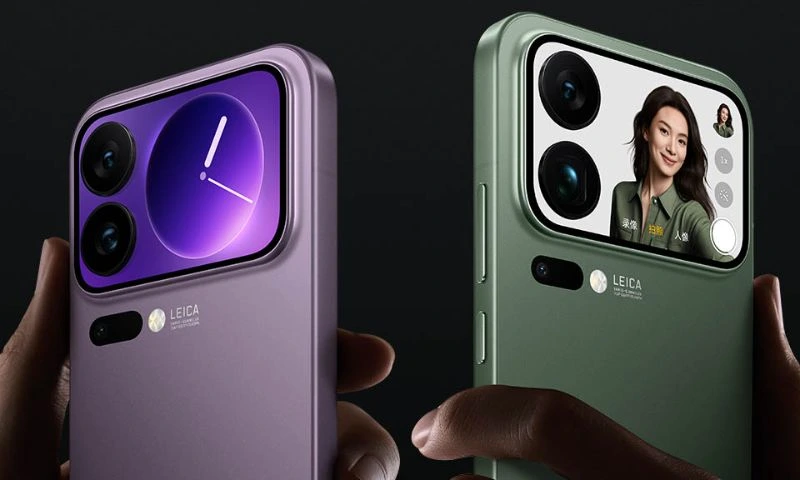
Xiaomi 17 Ultra to Debut Worldwide on February 28 in Barcelona
Xiaomi has officially revealed the global launch date for its Xiaomi 17 series. The company confirmed that the new flagship lineup will debut on February 28, 2026, in Barcelona, Spain, shortly before the start of Mobile World Congress (MWC) 2026. The announcement comes as Xiaomi ramps up its presence in the premium smartphone segment worldwide. The event runs under the theme “The New Wave of Imagery is Arriving,” signaling Xiaomi’s focus on advanced camera technology. The global launch will highlight two main models: the Xiaomi 17 and Xiaomi 17 Ultra, both expected to go on sale soon after the debut. What Are the Expected Global Prices? Leaked pricing ahead of launch gives a helpful guide to what buyers can expect in the global market. Multiple reliable sources report the following approximate USD price points: Xiaomi 17• 12GB RAM + 256GB storage: around $1,080 USD• 12GB RAM + 512GB storage: around $1,190 USD Xiaomi 17 Ultra• 16GB RAM + 512GB storage: roughly $1,620 USD• 16GB RAM + 1TB storage: near $1,840 USD These figures align with the device’s premium positioning and place it in competition with high-end phones from other major brands. Powerful Hardware and Camera Innovation Both the Xiaomi 17 and 17 Ultra are expected to be powered by the Qualcomm Snapdragon 8 Elite Gen 5 chipset. This processor aims to deliver fast performance and efficient power use for gaming, multitasking, and intensive workflows. Camera features are a major selling point. The 17 series integrates Leica-branded imaging systems, pushing Xiaomi’s strength in mobile photography. The Ultra model, in particular, will likely pack advanced optical hardware including large sensors and enhanced zoom capabilities. Display technology is also strong, with the Ultra model expected to offer a 6.9-inch LTPO AMOLED screen with high refresh rates. Battery capacity and charging technology remain competitive, with fast wired and wireless support across the series. Read More: Xiaomi 18 Price and Features Leak: Camera, Display, and Performance Insights Competitive Timing and Global Strategy The timing of the global launch is strategic. With rival brands like Samsung expected to announce their own flagship models at MWC 2026, Xiaomi’s decision to reveal prices and features just before the event could help it capture greater media attention. Xiaomi’s recent global launches, such as the Xiaomi 15 series, strengthened its premium market presence in 2025. The 17 series takes that strategy further with improved performance, cameras, and build quality targeting buyers looking for flagship experience without flagship price inflation seen elsewhere. Consumers around the world will be watching the Barcelona event closely to see how the Xiaomi 17 and Xiaomi 17 Ultra stack up against other top-tier smartphones. With strong USD pricing and high-end specs, Xiaomi aims for a significant impact in global markets.
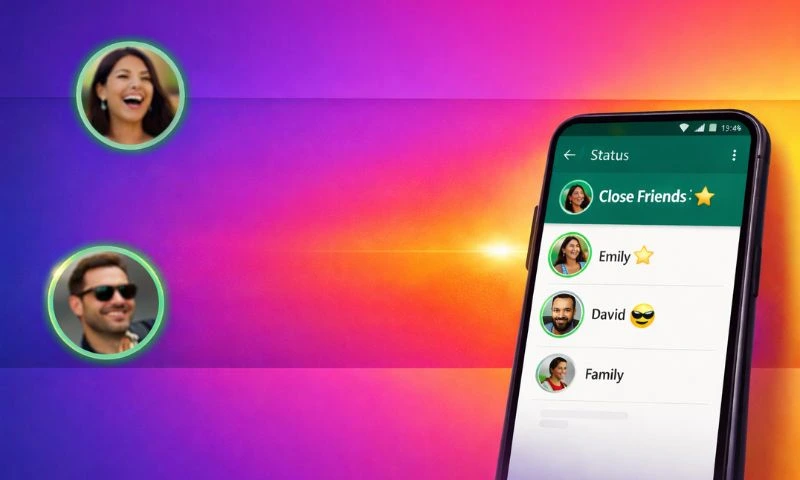
WhatsApp Is Getting a Game-Changing Instagram-Style Close Friends Feature
Meta’s popular messaging app WhatsApp is reportedly preparing to roll out an Instagram-like “Close Friends” feature that will give users more control over who sees their Status updates. According to the latest report by Business Today, this new option is currently under development and was spotted in WhatsApp beta builds for Android. At present, WhatsApp users choose from basic Privacy settings when sharing a Status. They can select “My Contacts,” “My Contacts Except,” or “Only Share With.” With the new Close Friends list, users will be able to save a group of trusted contacts that they often share personal updates with. This change makes sharing intimate moments easier, without the need to constantly adjust privacy settings. Feature tracker WABetaInfo first spotted the Close Friends option in beta versions 2.26.5.11 and 2.26.5.13 on Android, suggesting a wider rollout could come soon after testing is complete. Instead of manually selecting contacts every time, users can now pre-define their inner circle and use it with just one tap. Unlike Instagram, where only followers can be added to a Close Friends list, WhatsApp’s version will use the app’s existing contacts. Users can add or remove people from their Close Friends list either from the Status privacy settings screen or directly when posting a Status update. However, changes to the list will apply only to future Status posts. If someone is removed after a Status is posted, they will still be able to see updates they were initially granted access to. Reports from other tech news outlets confirm that WhatsApp testers noticed customised lists can even have names and emojis, making it easier for users to distinguish different groups, such as close family versus colleagues. Selected contacts in the Close Friends list are expected to see a different coloured circle around the sender’s profile photo, much like Instagram’s green ring that shows stories shared with only close friends. For many users, this feature could be a valuable privacy tool. People often hesitate to post photos or thoughts on WhatsApp Status because they do not want everyone in their contact list to see them. The Close Friends list gives a private space to share moments without stress. WhatsApp has not yet announced when the Close Friends feature will be widely available. The company is currently testing the tool with beta users and gathering feedback before a stable release.
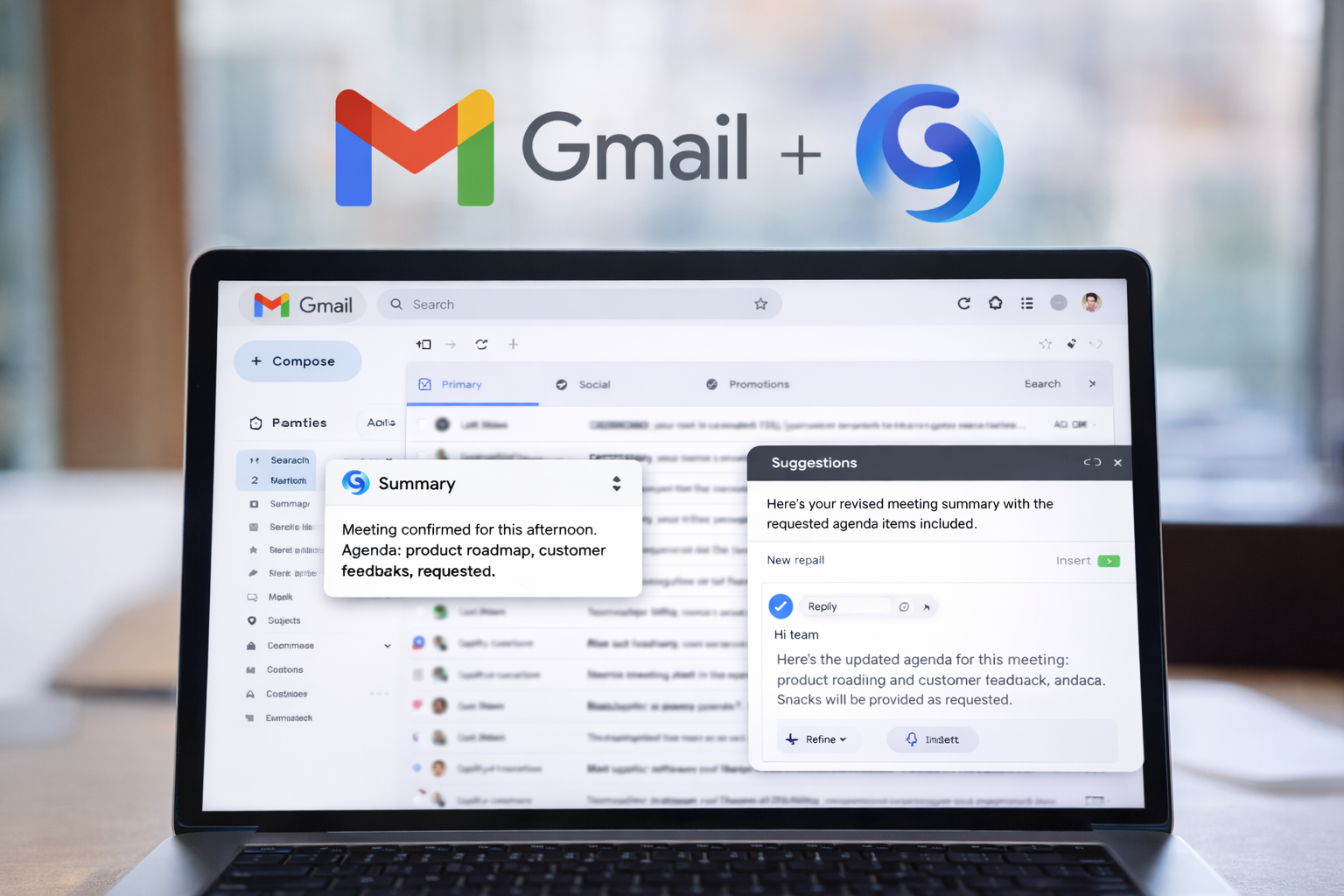
Your Inbox Just Got Smarter: Gemini AI Comes to Gmail
Google is transforming how people manage email as it rolls out Gemini-powered AI features across Gmail, marking what the company calls a new era for one of the world’s most widely used communication tools. With the update, Gmail now gains AI-driven message summaries, writing assistance, proofreading, and contextual help, all powered by Gemini. The move reflects Google’s broader push to embed generative AI deeply into everyday productivity products rather than treating it as a separate tool. One of the most noticeable changes is automatic email summarisation. Long threads, complex discussions, and cluttered inboxes can now be condensed into short summaries that appear at the top of messages. According to Google, these summaries update dynamically as new replies arrive, helping users stay informed without scrolling endlessly. Google is also expanding AI-assisted writing tools inside Gmail. Users can now ask Gemini to draft replies, rewrite messages in different tones, or polish emails for clarity and grammar. Proofreading suggestions highlight awkward phrasing, unclear sentences, or missing context before a message is sent. In a blog post announcing the shift, Google said Gmail is “entering the Gemini era,” emphasizing that the AI works within the flow of email, not as a separate chatbot. The goal, the company said, is to reduce time spent managing messages and allow users to focus on more meaningful work. Tech analysts note that this marks a clear evolution from earlier features like Smart Reply and Smart Compose. Instead of offering short suggestions, Gemini now understands full conversations and intent. A WIRED report described the update as Google’s attempt to “rethink the inbox as an intelligent workspace rather than a passive list of messages.” According to CNBC, the new Gemini features will roll out gradually, starting with users on Google Workspace and AI Premium plans, before expanding more widely. Google has said user data will not be used to train AI models without permission, and privacy controls will remain central to the rollout. The update comes as competition intensifies across email and productivity platforms. Microsoft has added AI copilots to Outlook, while startups are building AI-first inbox tools. By upgrading Gmail, Google is signaling that AI will be a core expectation, not an optional add-on. For millions of users, the shift could redefine daily email habits. Instead of reading every message, users may rely on AI summaries, quick drafts, and smart suggestions. As Gemini spreads across Google’s ecosystem, the inbox may soon feel less like a burden and more like a digital assistant.
