
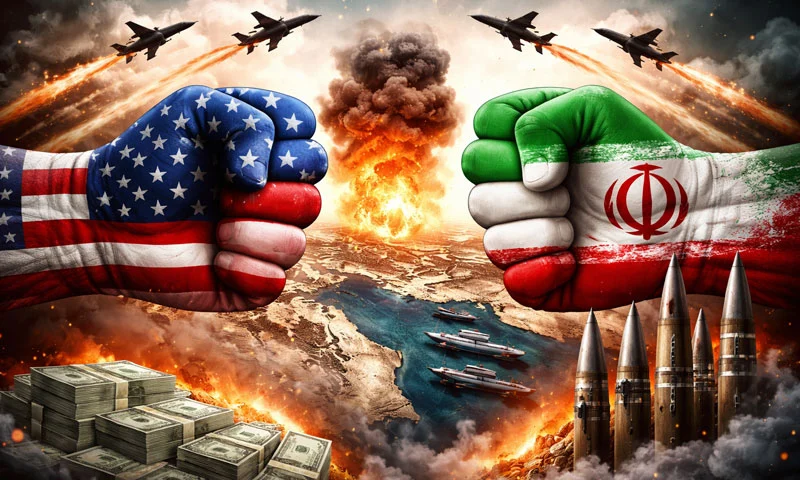
The United States has presented a comprehensive 15-point ceasefire plan to Iran as part of efforts to end the ongoing conflict that has raised tensions across the Middle East. The proposal, reportedly conveyed through diplomatic channels including Pakistan, outlines a structured framework focused on nuclear restrictions, regional security, and stability in global energy markets. Officials say the plan is designed to halt hostilities while creating a pathway for long-term peace negotiations. Trump’s Key Demands from Iran Under President Donald Trump’s proposal, Washington has outlined the following key conditions: Immediate halt to uranium enrichment Dismantling of key nuclear facilities Strict international monitoring of Iran’s nuclear program End to development of ballistic missiles Restrictions on long-range missile capabilities Full reopening of the Strait of Hormuz Guaranteed safe passage for global oil shipments End to support for regional proxy groups Reduction of military activities across the Middle East Commitment to regional de-escalation Cooperation with international inspectors Agreement to long-term nuclear compliance Full transparency in nuclear and military programs Avoidance of further escalation in the Gulf Participation in formal peace negotiations These demands reflect US concerns over Iran’s nuclear ambitions, missile program, and regional influence. Incentives Offered by the United States In exchange, the US has offered several incentives to encourage Iran to accept the proposal: Complete lifting of economic and financial sanctions Restoration of access to global financial systems Removal of snapback sanctions Support for Iran’s civilian nuclear program Opportunities for economic cooperation and trade Gradual reintegration into global markets Officials believe these incentives could ease economic pressure on Tehran and support diplomatic progress. Iran’s Counter Demands and Conditions Iran has responded with its own conditions, outlining key demands before agreeing to any ceasefire: Immediate and unconditional end to military operations Binding guarantees against future US or allied attacks Financial compensation for war-related damages Recognition of Iran’s right to maintain its nuclear program Rejection of dismantling nuclear infrastructure No restrictions on its ballistic missile program Continued control over the Strait of Hormuz Respect for Iran’s sovereignty and territorial integrity Complete removal of sanctions before compliance No external interference in its domestic or regional policies Iran has made it clear that its missile program and strategic autonomy are non-negotiable. Strait of Hormuz Remains Central to Crisis The Strait of Hormuz has emerged as a critical point in the standoff. The waterway carries nearly 20 percent of global oil shipments, making it one of the most important energy routes in the world. The US has pushed for its reopening, while Iran has used it as leverage in negotiations. Pakistan’s Role in Mediation Pakistan has emerged as a key diplomatic intermediary during the crisis. Reports indicate that Islamabad has facilitated communication between the US and Iran and has offered to host talks between the two sides. This has placed Pakistan at the center of international efforts to de-escalate tensions. A Fragile Path Toward Peace Despite the detailed proposals, major differences remain between Washington and Tehran. Iran has denied formal negotiations, while the United States continues to keep military options open. Experts say the coming days will be critical in determining whether diplomacy succeeds or tensions escalate further.
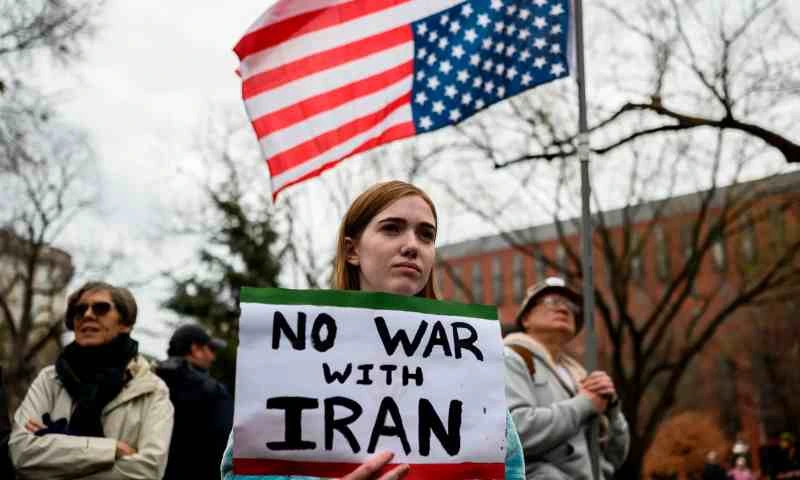
Pakistan Becomes Secret Power Player in US-Iran Talks
Pakistan has stepped into the global spotlight as quiet but critical diplomatic efforts unfold between the United States and Iran, with Islamabad playing a central role in facilitating indirect communication amid rising regional tensions. Pakistan’s Role as a Go-Between According to officials, Pakistan has been acting as a mediator for some time, relaying messages between Washington and Tehran. However, its involvement has intensified in recent days as fears of a wider conflict grew, particularly over energy infrastructure and the Strait of Hormuz. Reports from international outlets such as Financial Times and Axios indicate that senior officials from Pakistan, along with counterparts from Turkiye and Egypt, have separately engaged with US Special Envoy Steve Witkoff and Iranian Foreign Minister Abbas Araghchi to convey positions between both sides. Despite these exchanges, there has been no direct contact between the US and Iran. A source involved in the process said, “The strategic synergy between Ankara, Cairo and Islamabad has established a vital diplomatic conduit,” adding that it was “more than just crisis management” and was “making tangible progress toward resolving outstanding issues.” Focus on De-escalation and Hormuz The backchannel talks are not limited to an immediate ceasefire. Officials revealed that discussions include reopening the Strait of Hormuz, preventing attacks on energy infrastructure, and outlining a broader framework to end hostilities. Iran has acknowledged receiving messages through “friendly countries” but insists that its response remains based on “principled positions.” Publicly, Tehran continues to deny any negotiations, framing US claims as attempts to influence global markets. Iranian officials have maintained that any resolution must include guarantees against future US or Israeli attacks, compensation for damages, and recognition of its strategic rights. Meanwhile, US officials argue that indirect diplomacy has helped create conditions for a pause in escalation. One source noted that “quiet communication is often the most direct path to global peace.” Pakistan Positions Itself as Regional Stabiliser Islamabad has framed its role as part of a broader diplomatic strategy. Officials describe Pakistan as a “net regional stabiliser,” using its unique ties with both Washington and Tehran to encourage dialogue over confrontation. Prime Minister Shehbaz Sharif reinforced this position during a phone call with Iranian President Masoud Pezeshkian, expressing concern over “dangerous ongoing hostilities” and stressing “the urgent need to work collectively for de-escalation and a return to dialogue and diplomacy.” He also emphasised “the critical importance of unity in the ranks of the Ummah.” Wider Diplomatic Context Pakistan’s involvement comes amid a broader regional effort that includes Turkiye and Egypt, reflecting a coordinated attempt to prevent a major escalation in the Middle East. Analysts note that Pakistan’s longstanding ties with both Iran and Gulf states place it in a rare position to act as a bridge. There are also reports suggesting that US President Donald Trump may have engaged Pakistan’s military leadership during this period, although no official confirmation has been issued. As tensions continue, officials suggest that Pakistan could even emerge as a potential venue for future talks.
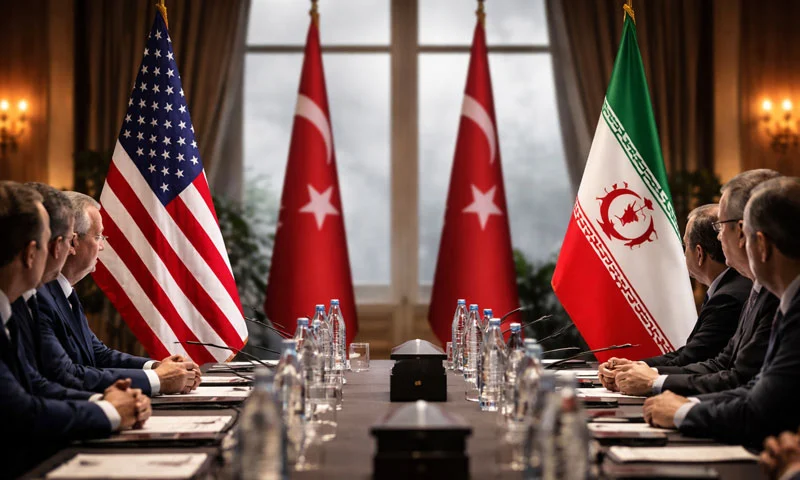
Istanbul Talks at a Crossroads: What Could Go Wrong if US–Iran Negotiations Fail
A fresh round of high-level talks between the United States and Iran is expected to unfold in Istanbul, Turkey, this week, marking one of the most consequential diplomatic engagements in years as both sides weigh the future of nuclear negotiations and broader regional tensions. The meeting comes after Tehran signalled a willingness to restart dialogue and Washington warned of serious consequences if talks collapse, underscoring the urgency of diplomatic efforts to avert wider conflict. According to diplomatic sources, US special envoy Steve Witkoff and Iranian officials, including Foreign Minister Abbas Araqchi, are likely to meet in Turkey on February 6 with representatives from regional intermediaries — including Türkiye, Qatar, Egypt and Oman — taking part. The meeting follows interventions by several regional states aimed at reducing friction and rebuilding trust between the two governments. Why These Talks Matter The US–Iran relationship has long been defined by acrimony over Tehran’s nuclear programme, regional influence, and rhetoric from both capitals. Underlying current dynamics is a broader struggle over nuclear non-proliferation, regional security and the risk of open conflict in the Middle East. Both sides have signalled divergent positions: while Washington insists on curbing Iran’s nuclear capability, Tehran has repeatedly stated it will not negotiate under coercive conditions and wants a “fair” dialogue that respects its right to peaceful nuclear enrichment. Read More: Explained: The Root of the US–Iran Crisis and the Dangers Ahead A core sticking point lies in trust and sequencing. Iranian officials have publicly said serious negotiations cannot proceed unless there is mutual trust and a clear, structured framework. They also insist that defence and missile capabilities remain off limits for bargaining, a position that complicates Washington’s demands for broader concessions. Regional and Global Stakes The diplomatic push reflects alarm among global powers about the potential for escalation. Russia has joined international calls for restraint, warning that military actions could destabilise the Middle East and lead to broader chaos. Moscow emphasised that continued negotiations are preferable to the use of force and that diplomatic channels should be exhausted before any military option is considered. “We have ships heading to Iran right now, big ones … and we have talks going on with Iran. We’ll see how it all works out.” — President Trump pic.twitter.com/7IshgqGx80 — Department of State (@StateDept) February 2, 2026 Experts say these negotiations hold significant implications beyond US–Iran relations. A successful agreement could reinforce the global non-proliferation regime and reduce the risk of a costly military confrontation. It could also ease economic pressure on Tehran, which has faced crippling sanctions and inflation-inducing strains on its economy, and might open pathways to foreign investment and regional economic integration. Risks if Talks Fail If negotiations collapse, the consequences may be severe. Several analysts warn that failure could accelerate Iran’s nuclear programme, shorten its “breakout time” for acquiring weapons-usable material, and provoke military action by the US or its allies — potentially drawing in Israel and sparking a broader regional war. Such a scenario could destabilise global energy markets, exacerbate tensions across the Middle East, and undermine long-standing non-proliferation frameworks. Both sides have expressed an interest in diplomacy, but the outcome remains uncertain. As Istanbul prepares to host these pivotal talks, the world watches whether reasoned negotiations can avert a slide into conflict, or if unresolved disputes will lead to further instability.
