
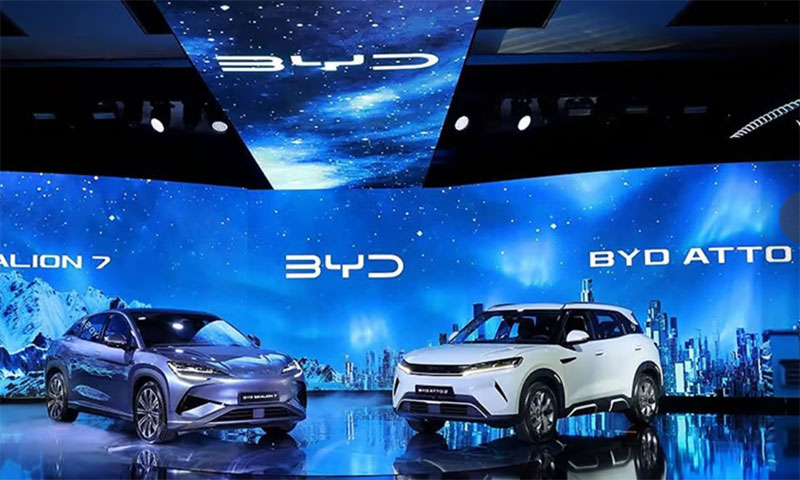
Mega Motor Company (MMC), in partnership with BYD, the world’s leading New Energy Vehicle (NEV) manufacturer, has introduced two new all-electric SUVs — the BYD Sealion 7 and BYD Atto 2 — in Pakistan, signalling a significant expansion of the country’s electric mobility landscape. The vehicles were unveiled at an exclusive dealership launch in Lahore, with bookings now open nationwide. The additions broaden BYD-MMC’s growing electric portfolio, targeting both premium performance buyers and everyday urban drivers as Pakistan gradually transitions towards cleaner transportation. BYD Sealion 7: Performance-Driven Luxury Electric SUV Positioned as a luxury, performance-focused electric SUV, the BYD Sealion 7 is designed to compete with high-end global EVs in terms of power, technology and safety. One of BYD’s strongest sellers across the Asia-Pacific region, the Sealion 7 delivers 308 horsepower (230 kW) and 380 Nm of torque, accelerating from 0 to 100 km/h in 6.7 seconds. The SUV also features a strong braking capability, coming to a halt from 100 km/h in 37 metres, while offering a driving range of up to 567 kilometres on a single charge. Built for drivers seeking both refinement and excitement, the Sealion 7 blends performance with advanced ride comfort and safety systems. BYD Atto 2: Smart Electric SUV for Urban Pakistan The BYD Atto 2 is positioned as a practical, technology-oriented electric SUV tailored for daily commuting and city use. Designed with efficiency and convenience in mind, it features keyless NFC access, a 50W wireless charging pad, electric and ventilated seats, and a clean, user-friendly interior layout. The Atto 2 accelerates from 0 to 100 km/h in 7.9 seconds, making it one of the quickest in its category, while offering a driving range of up to 380 kilometres. According to BYD-MMC, the model delivers up to 75 per cent lower running and maintenance costs compared to comparable internal combustion engine vehicles. Core BYD Technology Across Both Models Both the Sealion 7 and Atto 2 are built on BYD’s e-Platform 3.0 and feature the brand’s 8-in-1 electric powertrain, designed to enhance efficiency, performance and driving comfort. They are also equipped with BYD’s Blade Battery, known globally for its high safety standards, thermal stability and durability, making it one of the most trusted battery technologies in the EV sector. What BYD Pakistan Says Speaking at the launch, Lei Jian, Country Head of BYD Pakistan, said the introduction of the two models reflects the company’s long-term vision for the local market. “As the world’s No.1 NEV brand, we are proud to bring our globally proven technology to Pakistan. With the Sealion 7 and Atto 2, we are making the transition to electric vehicles both practical and rewarding for Pakistani consumers.” Danish Khaliq, Vice President – Sales and Strategy at BYD Pakistan (MMC), said the new models cater to different stages of the EV transition. “From a value-driven electric SUV for daily urban use to a premium, performance-led vehicle, these launches address a wide spectrum of customer needs. Electric mobility in Pakistan is no longer a future concept — it is happening now.” Prices and Booking Details BYD Atto 2 Price: PKR 7.29 million Booking amount: PKR 1.4 million BYD Sealion 7 Price: PKR 15.49 million Booking amount: PKR 3 million A limited-time introductory offer is available for bookings made until February 28, which includes a complimentary 7 kW wall-mounted home charger. Prices are inclusive of freight and inland transit insurance. The offer also includes: 10-year warranty on the low-voltage LFP battery Two free charging sessions at HubcoGreen stations for Atto 2 customers Free installation of a 7 kW charger for Sealion 7 customers Building Pakistan’s First EV Charging Corridor Beyond vehicle launches, BYD-MMC, in collaboration with HubcoGreen, is developing Pakistan’s first nationwide NEV charging corridor, spanning approximately 1,300 kilometres from Karachi to Peshawar, connecting major cities and motorway networks.
Balochistan govt, NBP launch subsidized electric scooter scheme for students, women
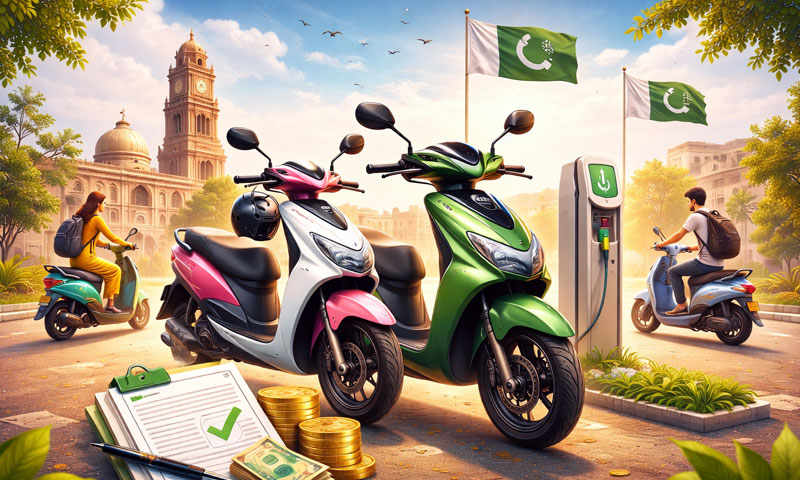
The Government of Balochistan and the National Bank of Pakistan on Wednesday launched a subsidized electric scooter scheme, aimed at improving mobility for students, working women, and the general public while promoting environmentally friendly transportation across the province. Under the initiative, electric scooters will be provided on easy, subsidized installments, making clean and affordable transport more accessible to a wide segment of society. The programme is part of the provincial government’s broader push to ease daily commuting challenges and encourage sustainable urban mobility. A formal memorandum of understanding (MoU) was signed during a ceremony held at the Chief Minister’s Secretariat in Quetta. The event was attended by Chief Minister Mir Sarfaraz Bugti, Provincial Minister Mir Sadiq Umrani, senior provincial officials, and top representatives of the National Bank of Pakistan. Speaking on the occasion, Chief Minister Bugti described the scheme as a major step toward ensuring safe, affordable, and dignified commuting options, particularly for students and working women. He said the initiative would help reduce daily transportation hardships while offering a reliable alternative to conventional fuel-based vehicles. The chief minister noted that the promotion of electric scooters would also contribute to lower transportation costs and reduced environmental impact, aligning with the government’s goal of supporting eco-friendly and sustainable mobility solutions. Highlighting the provincial government’s focus on public welfare, Bugti said initiatives such as this directly improve the quality of life for citizens and play a key role in empowering women and young people. He added that expanding access to affordable transport was essential for enabling education, employment, and economic participation. Reaffirming the government’s commitment to inclusive development, the chief minister said the Balochistan government would continue introducing projects that deliver practical benefits, support long-term economic growth, and promote social progress across the province. Officials said further details regarding eligibility criteria, installment plans, and application procedures for the electric scooter scheme would be announced separately.
No More Petrol Cars for Punjab Government: What the New Policy Means
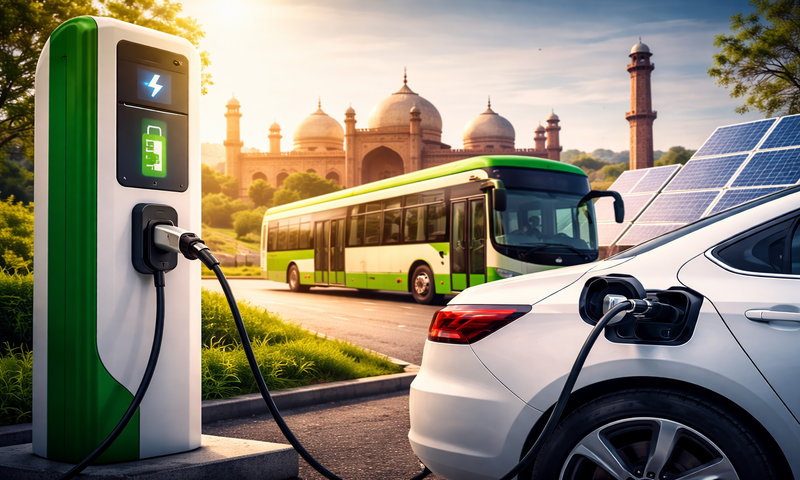
In a major policy shift aimed at tackling rising air pollution, the Punjab government has decided to completely ban the purchase of petrol and diesel vehicles for government departments, allowing only electric or hybrid vehicles for future procurement. The decision marks one of the province’s most significant steps toward promoting environmentally friendly transport and reducing emissions. Vehicles assigned to field duties have been exempted from the ban due to operational requirements, officials confirmed. The provincial administration has also indicated that a new Electric Vehicle (EV) Policy for Punjab is expected to be announced soon, which will outline incentives, infrastructure development, and regulatory reforms to accelerate the transition toward clean mobility. Electric Charging Now Mandatory for New Petrol Pumps In another major move, the government has made the installation of electric vehicle charging units mandatory for all new petrol pumps seeking operational approval. According to the Chief Secretary, no new petrol pump will be allowed to operate without installing an electric charging facility, linking traditional fuel infrastructure directly with the province’s clean energy goals. Officials said that 170 new petrol pumps across 31 cities have already received No Objection Certificates (NOCs) through the provincial e-Biz portal, all subject to the condition that EV charging units must be installed. City-wise approvals include: Faisalabad: 29 petrol pumps Lahore: 14 Bahawalpur: 10 Khanewal & Bahawalnagar: 9 each Rawalpindi & Jhang: 8 each Toba Tek Singh, Mianwali, Kasur & Chiniot: 7 each Authorities stressed that the expansion of fuel stations must now go hand in hand with electric charging infrastructure to prepare for a cleaner transport ecosystem. Pollution a Growing Threat to Punjab The policy shift comes amid mounting concern over worsening air quality in Punjab. According to the World Health Organization, air pollution is one of the leading environmental health risks globally, contributing to millions of premature deaths each year. Pakistan, particularly urban centers in Punjab, regularly ranks among the regions with the highest levels of particulate pollution. Independent assessments by global development institutions have repeatedly warned that deteriorating air quality in Pakistan is not only a public health crisis but also an economic threat, increasing healthcare costs, reducing worker productivity, and shortening life expectancy. Punjab’s major cities, including Lahore and Faisalabad, frequently experience severe smog episodes during winter months, largely driven by vehicle emissions, industrial activity, and fossil fuel consumption. Green Energy as a Policy Priority Senior officials emphasized that promoting green energy and electric mobility has become a top provincial priority. The upcoming EV policy is expected to address both public and private sector adoption, while mandatory charging stations aim to reduce range anxiety and encourage wider use of electric vehicles. With these measures, Punjab positions itself as one of the first provinces in Pakistan to take concrete regulatory action linking transport reform with environmental protection.
Murree Traffic Police Launch Free Vehicle Recovery Service for Tourists, Residents
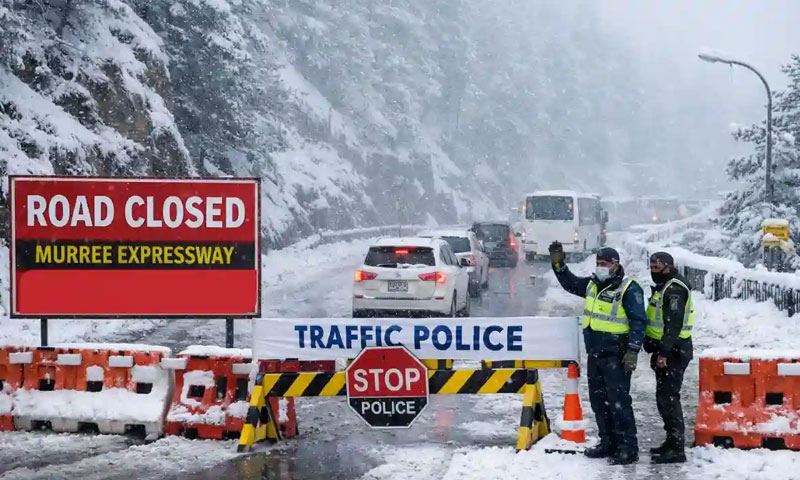
City Traffic Police Murree has introduced a free vehicle recovery service for both residents and tourists, aiming to keep traffic moving smoothly and provide quick help during emergencies across the hill station. The initiative has been launched on the special instructions of Maryam Nawaz Sharif and is part of broader efforts to improve public service delivery in Murree, especially during peak tourist seasons. The programme was made possible through the deployment of modern recovery vehicles, following the efforts of Dr Usman Anwar and Waqas Nazir, according to a spokesperson for the City Traffic Police. Under the new service, motorists facing vehicle breakdowns or accidents anywhere in Murree or its surrounding areas can receive recovery assistance at no cost. Faulty or damaged vehicles will be transported by City Traffic Police recovery trucks to the nearest workshop to prevent road blockages and traffic congestion. Chief Traffic Officer Murree Imran Razaq said the service is designed to provide immediate relief to citizens and tourists alike. He added that the move would help reduce long traffic jams caused by stalled vehicles, a common problem on Murree’s narrow and busy roads. Highlighting the effectiveness of the initiative, the CTO referred to a recent incident involving a tourist from Lahore whose vehicle broke down on Bariyan Road while he was returning from Ayubia. After contacting the traffic control room at 051-9269200, a traffic sergeant was immediately dispatched to the location, followed by a recovery vehicle. The City Traffic Police team safely shifted the vehicle to a nearby workshop, resolving the situation without causing traffic disruption. The tourist later expressed appreciation for the swift response, thanking the Punjab chief minister and senior police officials for providing timely assistance that spared him significant inconvenience. Officials said the free recovery service will remain available to all residents and visitors in Murree and is part of ongoing efforts to strengthen emergency response, improve traffic management, and enhance the overall experience for tourists visiting the hill resort.

New Taxes on Imported EVs? Govt’s Plan Explained
The Senate Standing Committee on Industries and Production was told on Monday that the government is considering imposing additional taxes on imported electric vehicles (EVs) as part of efforts to reduce the transport sector’s ballooning $9 billion import bill, while keeping locally manufactured EVs largely tax-free. The meeting, chaired by Senator Khalida Ateeb, was attended by Senators Danesh Kumar and Syed Masroor Ahsan, along with officials from the Ministry of Industries and Production and the Federal Board of Revenue (FBR). According to a statement issued by the Senate Secretariat, officials informed the committee that taxes on imported EVs are under active consideration, whereas taxes on locally produced electric vehicles would remain minimal or zero to encourage domestic manufacturing. Officials also told the panel that additional duties have already been imposed on the import of EV parts that are now being manufactured locally, a move aimed at supporting the development of a homegrown electric vehicle supply chain. During the briefing, the Ministry of Industries and Production advised provincial governments to facilitate EV adoption by waiving registration fees, introducing uniform number plates across the country, and charging lower tolls for electric vehicles. The committee was also briefed on the existing policy framework for setting up EV manufacturing units, with a particular focus on two-wheelers and three-wheelers. According to officials, licenses have so far been issued for 77 electric two-wheeler manufacturers and 17 three-wheeler manufacturers across the country. The government has set an ambitious target of shifting 30 percent of all vehicles to electric by 2030 as part of its broader energy and climate goals. To support this transition, officials said that around 2.2 million vehicles would be provided to the public through government subsidies by 2030. Pakistan currently has about 20 million vehicles and more than 20 million motorcycles. This year alone, the government plans to facilitate the provision of 116,000 electric motorcycles and 3,170 electric rickshaws. The committee was informed that a carbon levy is expected to generate Rs120 billion over the next five years, and this amount will be used to subsidize electric vehicles. Officials also noted that work is underway to introduce a one-window operation in coordination with the Board of Investment to streamline approvals, adding that licenses of manufacturers failing to export have already been cancelled. The discussion also covered the New Energy Vehicles (NEV) Policy 2025–30, which aims to reduce vehicular emissions, improve air quality, make productive use of surplus electricity generation, and lower Pakistan’s reliance on imported oil. The policy targets converting 30 percent of new vehicle sales to NEVs by 2030, with ambitions of reaching 50 percent by 2040 and achieving a net-zero transport fleet by 2060. However, officials acknowledged that high upfront costs remain a major hurdle to EV adoption, underlining the need for pricing measures that bring electric vehicles closer to the cost of conventional internal combustion engine vehicles.
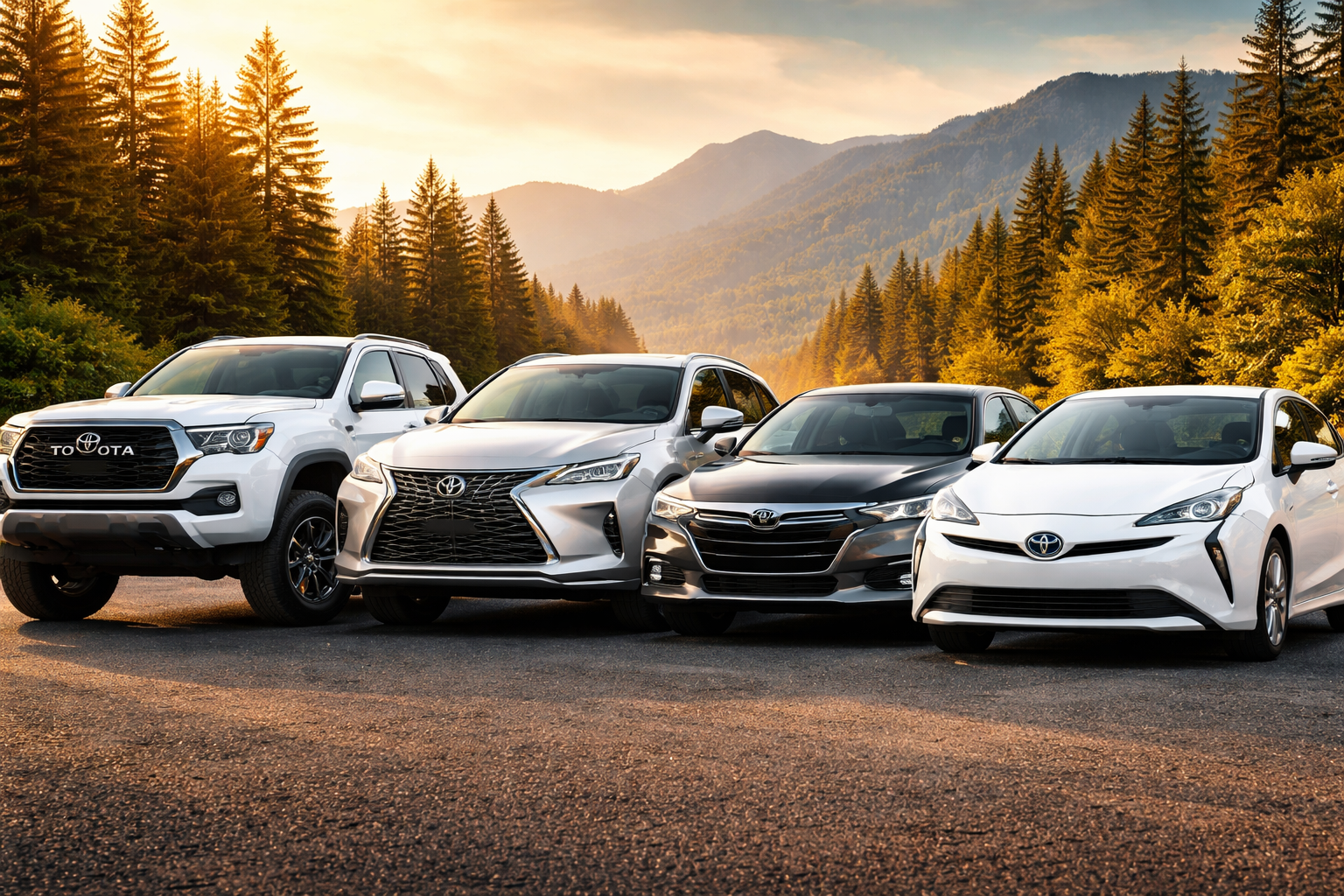
Why Toyota and Lexus Lead the Race for the World’s Longest-Lasting Cars
When it comes to building cars that truly go the distance, one name continues to stand far ahead of the pack: Toyota. A comprehensive new analysis by automotive data firm iSeeCars shows that Toyota vehicles are more likely than any other brand to reach the impressive milestone of 250,000 miles or more. According to the study, Toyota models have an average 17.8 percent chance of crossing the quarter-million-mile mark—nearly four times higher than the industry average. This dominant performance places Toyota firmly at the top of the rankings and highlights why the brand has long been associated with durability and long-term ownership value. Toyota’s success is driven largely by its body-on-frame SUVs and pickup trucks, including the 4Runner, Sequoia, Tacoma, and Tundra, all of which are well known for surviving years of heavy use. However, the brand’s reputation doesn’t rest on trucks alone. Sedans and hybrids such as the Avalon and Prius also consistently rank among the longest-lasting vehicles, proving that longevity is built into Toyota’s lineup across segments. Close behind Toyota is Lexus, its luxury division, which ranks second overall with a 12.8 percent likelihood of reaching 250,000 miles. Honda follows in third place, while Acura takes fourth. Notably, these four brands are the only ones that outperform the overall industry average of 4.8 percent—placing them in a category of their own when it comes to long-term reliability. The study highlights a sharp drop-off after the top four. While brands such as GMC, Tesla, Chevrolet, and Cadillac come close to the average, most manufacturers fall well below it. In total, 28 out of 32 brands analyzed fail to meet the industry benchmark, underscoring how challenging it is to engineer vehicles capable of lasting decades. In the non-luxury segment, only Toyota and Honda manage to beat the average, with both offering more than double the longevity potential of their nearest competitor. Among luxury brands, Lexus and Acura again lead the way, joined above average by Tesla, Cadillac, and Lincoln. Interestingly, luxury vehicles are often driven less aggressively, meaning age—not mechanical failure—is frequently what ends their lifespan. Based on data from more than 174 million vehicles, iSeeCars’ findings reinforce a long-held belief among drivers: Japanese automakers continue to set the standard for durability. For buyers planning to keep their next vehicle for many years, longevity may be one of the most valuable features of all.
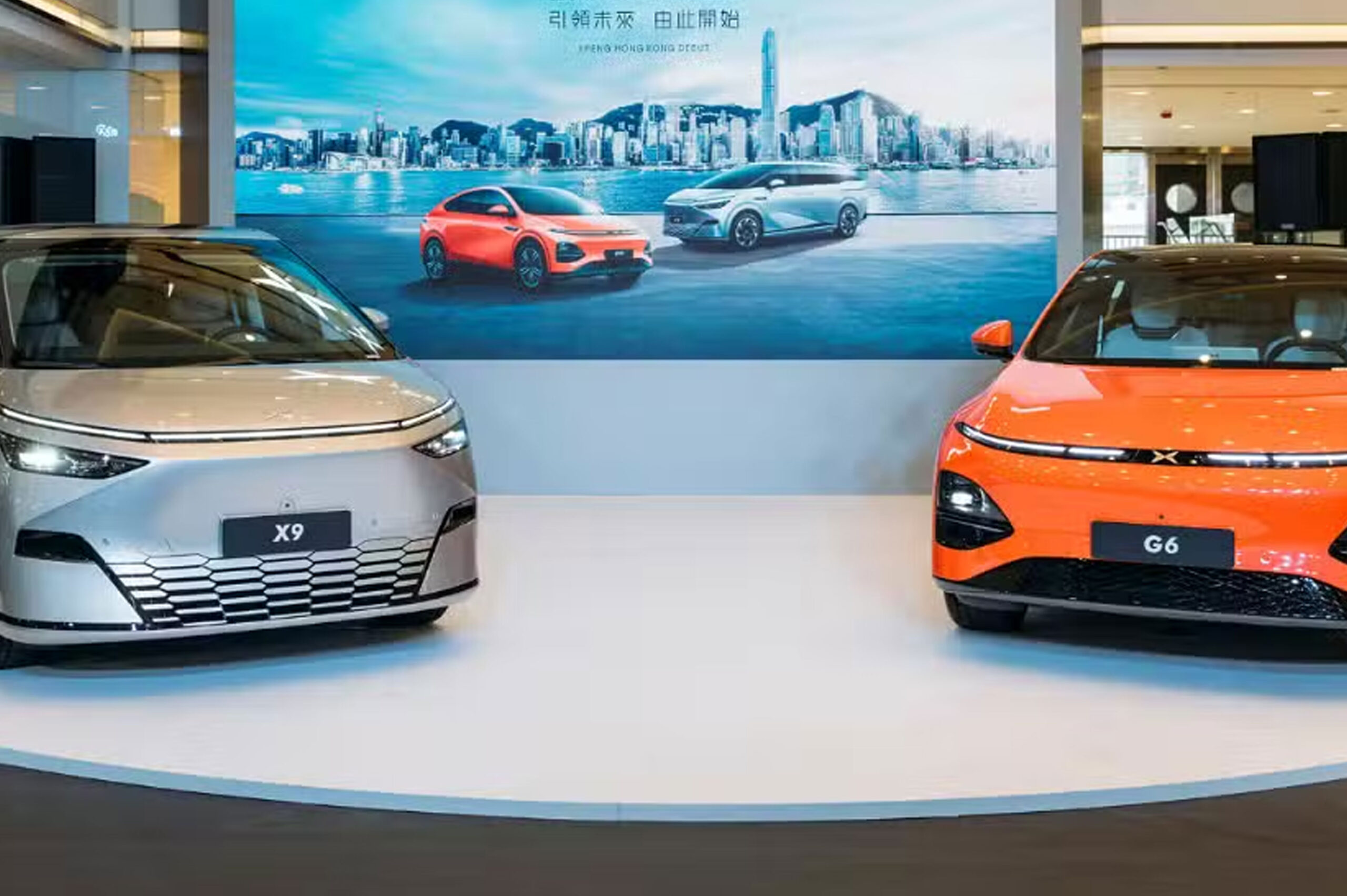
XPENG Enters Pakistan: Official Prices Revealed for G6 SUV and X9 Electric MPV
Pakistan’s electric vehicle landscape continues to expand as Tesla Industries, the group behind brands like GuGo GiGi and the recently introduced AION UT and AION V, has officially launched XPENG in the local market. The Chinese EV manufacturer has entered Pakistan with two all-electric models: the XPENG G6 SUV and the XPENG X9 MPV. The official prices were announced during the PakWheels New Wheels Expo, marking XPENG’s first formal step into the country’s rapidly growing EV segment. The XPENG G6 will be offered in three variants to cater to different performance and range preferences. The rear-wheel-drive Standard Range version has been priced at Rs. 14.5 million, while the Rear-Wheel-Drive Long Range variant comes in at Rs. 15.5 million. For buyers seeking higher performance, the All-Wheel-Drive Performance variant is priced at Rs. 18.5 million. All prices are ex-factory. To make ownership more flexible, Tesla Industries has introduced two booking and delivery plans for the G6. Customers opting for a faster 45-day delivery will need to pay 40 percent of the vehicle’s price upfront, whereas those choosing a 90-day delivery option can secure their booking with a 20 percent payment. Alongside the G6, the company has also introduced the XPENG X9, a fully electric premium MPV aimed at buyers looking for space, comfort, and long-range capability. The X9 will be available in a single top-spec variant, the Long Range 2WD Pro+, with an ex-factory price of Rs. 28.5 million. The booking structure for the XPENG X9 mirrors that of the G6, with 40 percent required for 45-day delivery and 20 percent for 90-day delivery. Tesla Industries has noted that the announced prices are introductory and may be revised in the future, depending on market conditions and demand. With this launch, XPENG becomes one of the latest global EV brands to enter Pakistan, further intensifying competition and offering consumers more premium electric mobility options than ever before.
