

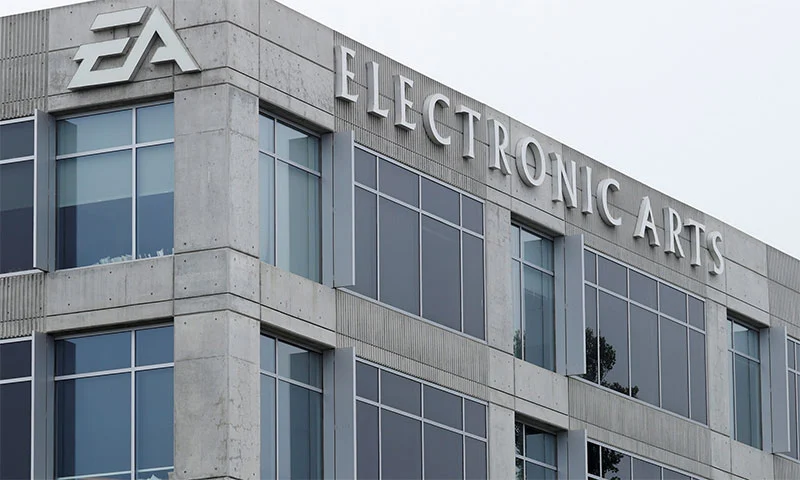
Electronic Arts (EA) has completed its $55 billion sale to a consortium led by Saudi Arabia’s Public Investment Fund, ending its long run as a publicly traded company. The deal closed on August 4 after receiving shareholder and regulatory approvals. EA’s shares have stopped trading and will be delisted from Nasdaq. The consortium includes Saudi Arabia’s PIF, Silver Lake and Affinity Partners, founded by Jared Kushner, son-in-law of US President Donald Trump. EA shareholders will receive $210 in cash for each share they held at closing. Read More: PlayStation to End Game Discs From 2028 as Sony Moves Fully to Digital EA Begins New Chapter as Private Company The consortium announced the acquisition agreement on September 29, 2025. EA shareholders then approved the deal at a special meeting on December 22. The transaction ranks as the largest leveraged buyout in history. “This moment recognises the extraordinary people whose creativity, ambition and passion have made EA one of the world’s leading interactive entertainment companies,” Andrew Wilson, EA’s chairman and CEO, said. “We’re entering this next chapter from a position of strength with partners who share our vision and ambition. Together, we’ll invest boldly, accelerate innovation, and build the next generation of games and experiences for the hundreds of millions of players and fans who inspire us every day.” Wilson will remain chief executive under the new ownership. EA said its new partners would provide long-term capital, sector expertise and strategic support. Read More: 254 People, One Giant Game: Canada Creates Foosball History “Today, as we begin our next chapter as a private company, the determination to keep learning and innovating remains one of our greatest strengths,” Wilson added. “We’re entering one of the most exciting and transformative moments our industry has ever seen. Around the world, fans choose interactive entertainment as their first and favourite way to experience community, culture, and shared fandom.” Saudi Arabia Expands Global Gaming Push Former Apple employee Trip Hawkins founded Electronic Arts in 1982. The company grew into one of gaming’s biggest publishers. Its major franchises include EA Sports FC, formerly FIFA, Battlefield, Need for Speed, Apex Legends and The Sims. EA also owns major sports properties including Madden NFL and College Football. EA reported around $7.5 billion in GAAP net revenue for fiscal 2026. Its games and online services reach hundreds of millions of players worldwide. The takeover strengthens Saudi Arabia’s broader push into gaming and esports as part of its economic diversification strategy. PIF already owned nearly 10% of EA before the acquisition and considers gaming a priority investment sector. Reuters previously reported that PIF would become EA’s majority shareholder, while Affinity Partners would own about 5%. The consortium committed about $36 billion in equity, including PIF’s existing holding. JPMorgan-backed debt financing supported the transaction. Read More: Fans Shocked as GTA 6 Cost Rumors Cross $3 Billion European regulators approved the takeover in July after finding no competition concerns. That decision removed a major regulatory hurdle ahead of closing. The acquisition ends EA’s approximately 36-year spell as a public company. It places some of gaming’s best-known franchises under private ownership for the first time in decades. The consortium says it plans to invest heavily in EA’s growth, innovation and artificial intelligence as the company develops its next generation of games.

PlayStation to End Game Discs From 2028 as Sony Moves Fully to Digital
Sony has announced that all new PlayStation games released from January 2028 will no longer come on physical discs, marking one of the biggest changes in the gaming industry’s history as digital distribution becomes the company’s primary sales model. Instead, gamers will buy new titles through the PlayStation Store or from retail stores that sell digital download codes. Sony confirmed the change in an official announcement, saying it reflects the way most customers now purchase and play games. The company said games already released, or scheduled to launch before January 2028, will continue to receive physical disc editions. Sony explained the decision by saying, “As consumer preferences and the broader entertainment industry continue to shift away from physical discs to digital.” It added, “This is a natural direction for Sony Interactive Entertainment to adapt to consumer trends as the general preference for digital media significantly outpaces physical discs.” Digital future sparks concern among gamers The announcement comes only days after Rockstar Games confirmed that the highly anticipated Grand Theft Auto VI will also launch without a traditional game disc, adding further momentum to the industry’s shift toward digital releases. However, many players and gaming experts have criticized Sony’s decision. They argue that digital only games remove important consumer rights such as lending, reselling or trading purchased titles. Gaming journalist Vikki Blake described the move as a “body blow to consumer rights.” “It’s of huge concern for game conservation and a massive problem for gamers with lower disposable incomes who rely on part-exchanging or loaning games from friends to keep up with the AAA price tags,” she said. She also recalled Sony’s famous PlayStation 4 advertisement that promoted physical game sharing. “Just one console cycle ago, Sony made a tongue-in-cheek advert about how easy it is to share games on PS4 as a dig at competitor, Xbox. It’s not funny anymore, is it?” Christopher Dring, editor of The Game Business, also expressed surprise. “We still see millions and millions of PlayStation games sold as physical goods,” he said. “It’s a significant business and there are lots of players that prefer to buy this way. It’s tough news for retail.” Retailers question ownership of digital games Independent retailer Lootbox Gaming also criticized the decision. The company called it “an attack on not only gamers and collectors, but also developers, publishers, distributors and retailers around the globe.” A spokesperson added, “Essentially, this is an attack on anyone who cares about video games or cares about the right to own your purchases.” Sony also faces criticism over digital ownership after confirming that more than 500 films and television shows purchased through the PlayStation Store will disappear from users’ libraries following the end of its licensing agreement with StudioCanal. The company said affected content will become unavailable from September 1. The company has not responded to questions about whether it plans to introduce a system that would allow players to transfer ownership of digital games in the future. Meanwhile, Sony reported that digital downloads already accounted for about 80 percent of its full game software sales during fiscal 2025, highlighting how rapidly consumer buying habits continue to evolve.
