

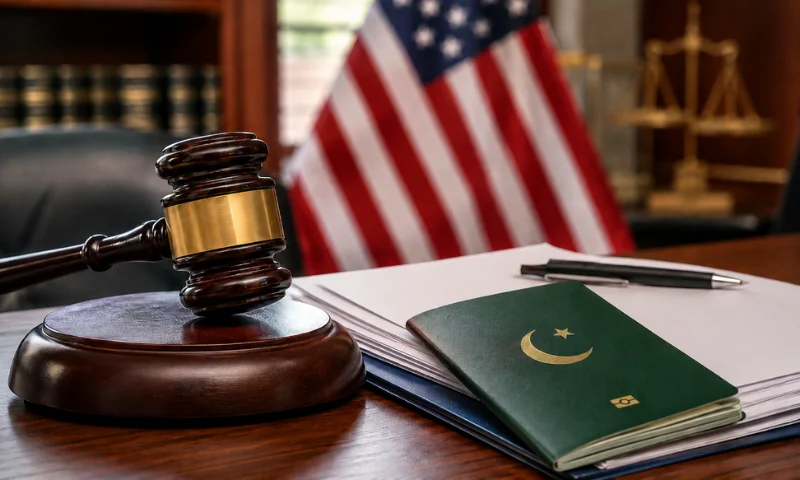
A US federal judge has struck down a Trump administration policy that suspended immigrant visa issuance for nationals of 75 countries, including Pakistan. US District Judge Jeannette Vargas in Manhattan ruled on Friday that the State Department policy exceeded Secretary of State Marco Rubio’s legal authority. She called the policy “patently unlawful” and said it violated federal immigration law. The decision targets a State Department suspension that took effect on January 21, 2026. The measure had blocked immigrant visa issuance for Pakistanis and nationals of 74 other countries. Importantly, the policy concerned immigrant visas. It was separate from restrictions covering some non-immigrant visa categories. Judge Rejects Nationality-Based Visa Freeze Vargas said federal law limits the secretary of state’s authority over how consular officers process individual immigrant visa applications. “The Policy, which categorically prohibits the issuance of immigrant visas based upon the nationality of the applicant, represents a direct abrogation of this statutory scheme,” she wrote. The court also set aside visa denials based solely on the 75-country policy. This clears the way for affected applications to return to individual assessment under existing immigration law. Read More: Visa and Mastercard May Face New Challenge From PayPak The State Department introduced the suspension as part of a review of screening and vetting policies. It said nationals of the selected countries were “at a high risk for becoming a public charge and recourse to local, state and federal government resources in the United States.” The department had not immediately commented on Friday’s ruling. Pakistan Among 75 Countries Affected Pakistan appeared on the State Department’s official list alongside Bangladesh and several other Asian countries. The suspension also covered Brazil, Colombia and Uruguay in Latin America. Albania and Bosnia and Herzegovina were among the affected Balkan states. Many countries across Africa, the Middle East and the Caribbean also appeared on the list. Read More: New US Visa Bond Targets 50 Countries: Is Pakistan on the List? The policy created uncertainty for people seeking permanent residence through family and employment-based immigration routes. Vargas, who former President Joe Biden appointed to the federal bench, issued the decision in a lawsuit challenging the suspension. Catholic Legal Immigration Network and African Communities Together brought the case with affected applicants. US citizens sponsoring relatives from designated countries also joined the legal challenge. Ruling Comes Amid Wider Immigration Crackdown The visa suspension formed part of President Donald Trump’s wider immigration crackdown. Trump has defended tougher immigration controls as necessary to improve domestic security and protect US resources. Read More: Italian Embassy Shares Key Update for Pakistan Visa Applicants Immigrant rights organisations have challenged several administration measures in court. They argue that parts of the crackdown violate free speech and due process protections. Rights groups have also raised concerns about racial profiling and the impact of tougher enforcement on ethnic minority communities. For Pakistani applicants, the ruling removes the blanket nationality-based suspension at issue in this case. Applicants will still need to meet normal US immigration requirements and any other applicable restrictions before receiving an immigrant visa.
UAE Takes Major Visa Decision for Three Countries Amid Ebola Fears
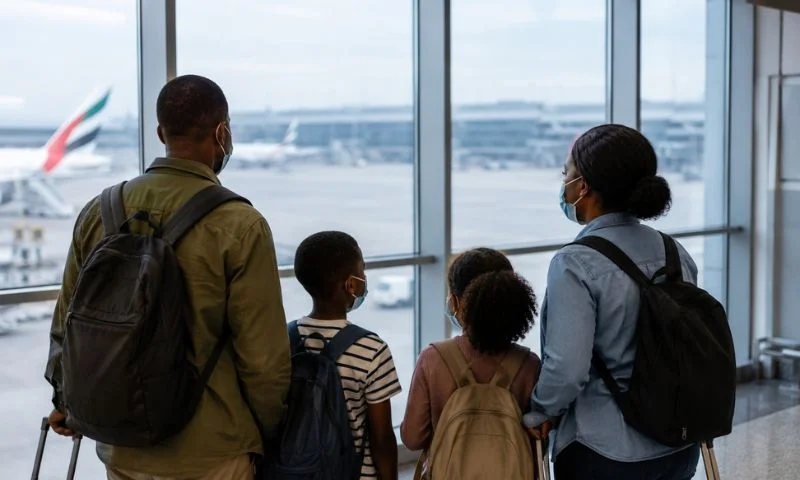
The United Arab Emirates has announced new travel restrictions for nationals of three African countries as part of its Ebola preparedness measures. The National Emergency Crisis and Disasters Management Authority (NCEMA) and the Federal Authority for Identity, Citizenship, Customs and Port Security (ICP) jointly announced the decision on Friday. The measures target travellers from the Democratic Republic of the Congo, Uganda and South Sudan. Authorities said the move forms part of the country’s efforts to strengthen health preparedness and protect the public from potential Ebola outbreaks. In a statement, officials said the decision is part of the country’s “preventive and proactive strategy to address developments related to the Ebola virus and safeguard public health.” Starting at 1 p.m. on June 6, 2026, the UAE will suspend all new visas for nationals of the three countries, including visit visas. The UAE will also restrict entry for travellers arriving from those countries. The restrictions will cover passengers who travel through third countries before reaching the Emirates. Exceptions and Operational Changes Authorities clarified that some travellers will qualify for an exemption. Travellers who spend more than 21 consecutive days outside the listed countries before arriving in the UAE may still enter the country. Officials said they could extend the measures if global health conditions worsen. At the same time, the UAE will keep cargo operations running between the Emirates and the affected countries. Transit flights will also continue. These arrangements will help maintain trade flows and international air connectivity. NCEMA and ICP said they will continue to monitor global health developments with local and international partners. “Authorities will assess any potential implications for other countries and implement further measures when necessary, based on approved health standards and risk assessments,” the statement said. Global Attention on Ebola The announcement comes as governments around the world closely watch Ebola-related developments in parts of Africa. According to the World Health Organization (WHO), Ebola virus disease is a severe illness that spreads through direct contact with infected bodily fluids. Common symptoms include fever, fatigue, muscle pain, vomiting and diarrhoea. Severe cases can lead to internal and external bleeding. The Democratic Republic of the Congo has experienced several Ebola outbreaks during the past decade. Uganda has also reported outbreaks that triggered regional health alerts. The UAE has not reported any Ebola cases linked to the current concerns. However, authorities have often taken precautionary measures when international health risks emerge. The country introduced strict health controls during previous outbreaks, including the COVID-19 pandemic. The latest restrictions highlight the UAE’s focus on prevention and rapid response. Officials said they will continue reviewing the situation and adjust measures when necessary. The decision also reflects a broader international effort to strengthen disease surveillance while keeping trade and transportation networks open.
