

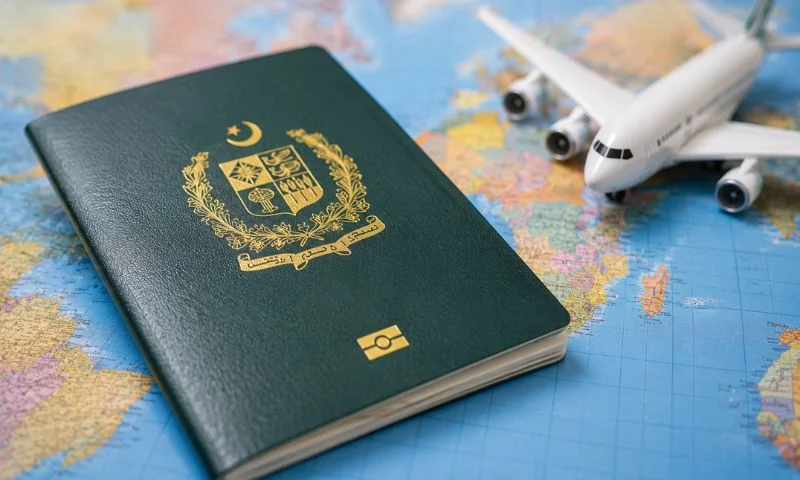
Pakistan has ranked 100th in the latest Henley Passport Index, with Pakistani passport holders currently enjoying visa-free or visa-on-arrival access to 30 destinations worldwide. The latest ranking places Pakistan among the world’s weakest passports, ahead of only Iraq, Syria and Afghanistan. The Henley Passport Index compares 199 passports across 227 destinations and ranks countries according to the number of places citizens can access without obtaining a prior visa. Although Pakistan remains near the bottom of the rankings, the country has shown gradual improvement over recent years. Pakistan climbed to 98th place earlier this year after ranking 103rd in 2025. However, the latest May 2026 update pushed the country slightly lower to 100th position. According to the index, Pakistani citizens had visa-free access to 32 destinations in February this year after The Gambia restored travel access arrangements. The number has now declined to 30 because of ongoing changes in international visa policies and bilateral agreements. Asian Passports Continue Dominating Global Rankings The latest rankings once again highlighted the growing strength of Asian passports in global mobility. Singapore retained the world’s most powerful passport position. Passport holders from Singapore continue enjoying access to the highest number of destinations globally without prior visas. Japan, South Korea and the United Arab Emirates shared second place in the rankings. Sweden emerged as the highest-ranked European nation at third place. A group of European countries, including France, Germany, Italy and Netherlands, tied for fourth position. The United States ranked tenth in the latest index. Analysts say passport rankings increasingly reflect diplomatic influence, economic strength and international security cooperation. Regional Competition and Travel Challenges Continue India also experienced a decline in the latest rankings. India dropped from 75th place earlier this year to 78th position in the current index. Travel experts say global visa rules continue shifting because of geopolitical tensions, migration concerns and changing bilateral relations. Pakistan has sought to improve international mobility for its citizens through diplomatic engagement and upgraded passport security systems. Authorities have also expanded e-passport initiatives and digital identity measures in recent years. However, analysts note that broader improvements in travel freedom often depend on stronger diplomatic ties, economic stability and international confidence in migration controls. For millions of Pakistanis seeking opportunities abroad for education, employment and tourism, passport strength remains closely linked to global mobility and economic access. The latest rankings underline how international travel freedom continues to vary sharply across regions despite growing global connectivity.

Pakistan Among World’s 4th Weakest Passports in 2026 Ranking
Pakistan has once again ranked among the world’s weakest passports in 2026, underscoring continued travel limitations for its citizens, according to the latest Henley Passport Index. The index placed Pakistan fourth from the bottom, reflecting restricted global mobility compared with most countries. Analysts say the ranking highlights ongoing challenges linked to visa access and international travel freedom. At the top of the list, Singapore retained its position as the world’s most powerful passport. It offers visa-free or visa-on-arrival access to 192 destinations worldwide. The ranking draws on data tracking how many countries passport holders can enter without obtaining a prior visa. Japan, South Korea, and the United Arab Emirates secured second place, each with access to 187 destinations. Norway and Switzerland followed closely with 185 destinations. Europe dominates, conflict-hit nations trail European countries continue to dominate the rankings, supported by strong diplomatic ties and stable economic conditions. Experts say the European Union benefits from extensive bilateral travel agreements, which boost visa-free access for its citizens. At the lower end of the index, Afghanistan remained the weakest passport globally, allowing access to only 23 destinations without a prior visa. Syria and Iraq followed in the rankings. Pakistan’s position just above these countries reflects the constraints its citizens face when traveling abroad. Many destinations require visas in advance, often involving lengthy application processes. Experts link passport strength to several factors, including diplomatic relations, national security perceptions, migration trends, and political stability. Countries with stronger global partnerships tend to secure better travel access for their citizens. Read More: Pakistan Passport Rises Again: 32 Countries Now Visa-Free in Feb 2026 Mobility challenges and gradual progress Analysts note that passport rankings also reflect practical access to opportunities abroad. Travel ease affects tourism, education, business expansion, and employment prospects. Countries with weaker passports often face stricter global visa regulations. These restrictions can stem from concerns related to security, irregular migration, or regional instability. Despite its low ranking, Pakistan has recorded gradual improvement in recent years. Officials have pursued bilateral agreements and policy measures to expand visa access. However, progress remains slow compared with regional and global peers. The Henley Passport Index updates regularly to reflect changes in visa agreements and diplomatic access. The latest rankings have again sparked debate over mobility challenges faced by citizens of lower-ranked countries. Observers say improving passport strength requires sustained diplomatic engagement and economic stability. Until then, Pakistani travelers will likely continue to face limited access to global destinations.
