


The US Department of Homeland Security is advancing a proposal that could eliminate the 60-day grace period available to H-1B workers after they lose their jobs, raising concern among Indian technology professionals and immigrant families. The proposal reached the White House Office of Management and Budget on August 6 for regulatory review. OMB records list it as a proposed rule titled “Eliminating the Discretionary 60-day Grace Period.” The measure has not taken effect. DHS has also not publicly released the full proposed regulatory text, meaning important details could still change during the review process. What the current 60-day rule allows Current federal regulations protect eligible foreign workers from immediately falling out of status solely because their employment ends. The rule allows a grace period of “up to 60 consecutive days” or until the worker’s authorised stay expires, whichever comes first. It covers workers in E-1, E-2, E-3, H-1B, H-1B1, L-1, O-1 and TN classifications. Their dependants also receive protection under the existing provision. During this period, an eligible H-1B worker can seek another sponsoring employer or pursue a change of immigration status. Workers can also prepare to leave the United States if another option is unavailable. USCIS introduced the grace-period provision through regulations that took effect in January 2017. It was designed to give employment-based non-immigrants greater flexibility after an unexpected termination. Why H-1B workers and families are concerned Removing the grace period could make a sudden job loss an immediate immigration problem for many foreign professionals. An H-1B worker who loses employment may have much less time to secure another sponsor. The change could also complicate efforts to move into another eligible immigration category. The consequences could extend to families. H-4 spouses and children generally depend on the principal H-1B holder maintaining the underlying immigration status. The issue carries particular importance for Indian professionals, including thousands employed across the US technology sector. Indian workers have long represented a major share of the H-1B workforce. Employers could also face tighter timelines when recruiting foreign professionals who have recently lost sponsored jobs. However, the existing regulation already gives DHS discretion to shorten or eliminate the current 60-day period in individual circumstances. Has the H-1B grace period ended? No. The 60-day grace period remains in force as of August 10, 2026. OMB records show the proposal remains under review and carries no legal deadline. It is still at the proposed-rule stage. If DHS moves ahead, the proposal would normally need publication through the federal rulemaking process before any final regulation could take effect. The government could modify, delay or withdraw it before then. For now, eligible H-1B workers who lose their jobs can continue relying on the existing grace-period rules. The development nevertheless increases uncertainty for foreign professionals whose legal status depends on employment. Any eventual removal of the protection could sharply reduce the time workers have to find a new employer, change status or arrange their departure from the United States.
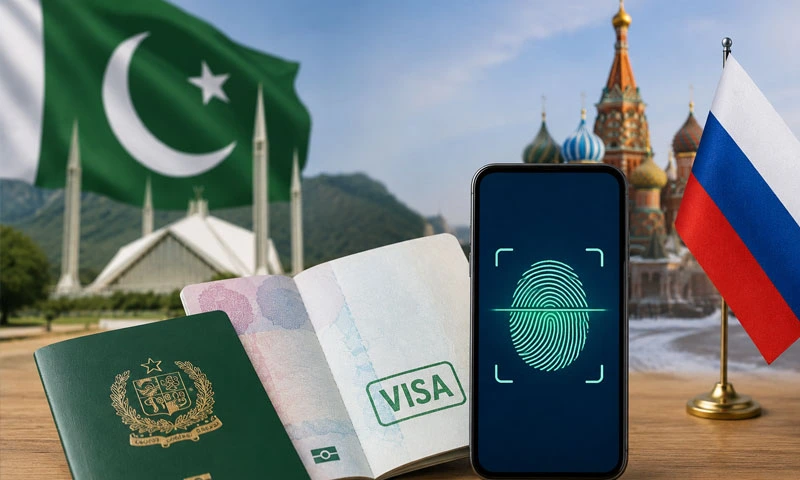
Pakistan Tightens Visa Verification Process for Russian Applicants
Pakistan has introduced a new requirement for Russian nationals seeking Pakistani visas, making sponsor biometric verification through the PakID mobile application mandatory for visa processing. The Embassy of Pakistan in Russia announced the measure on Tuesday and advised applicants to follow the updated procedure to avoid delays or rejection of their visa requests. According to the embassy, authorities will not process visa applications submitted without the sponsor’s biometric verification. The move forms part of Pakistan’s broader efforts to strengthen identity verification and enhance the security of its online visa system. “The embassy said visa applications submitted without the sponsor’s biometric verification will not be processed and urged applicants to comply with the updated requirement.” Pakistan has expanded its digital immigration and identity management systems in recent years through initiatives led by the National Database and Registration Authority (NADRA). The PakID application serves as a digital platform for biometric verification and identity-related services. Officials say the system helps improve transparency and reduce the risk of fraudulent applications. Online Tourist Visa Process Remains in Place The embassy clarified that Russian citizens can continue applying for tourist visas through the online visa portal operated by Pakistan’s Ministry of Interior. Applicants must submit a valid passport and a recent photograph when filing their applications. According to the embassy, tourist visas issued under the programme remain valid for 90 days and allow multiple entries into Pakistan. However, officials stressed that visa issuance remains solely at the discretion of the Government of Pakistan. The embassy also encouraged travellers to submit their travel intentions at least 24 hours before departure in order to obtain a Visa Grant Notice. Pakistan has increasingly promoted its online visa programme to attract tourists and business travellers. The country expanded visa-on-arrival and e-visa facilities for dozens of nationalities as part of efforts to boost tourism and investment. Government officials have repeatedly highlighted digital visa reforms as a key component of improving ease of travel and simplifying immigration procedures. Embassy Issues Additional Travel Advisory The embassy also reminded applicants about restrictions related to border crossings. It said foreign nationals holding a Visa Prior to Arrival cannot enter or leave Pakistan through the Chaman and Torkham land border crossings. Those crossings connect Pakistan with Afghanistan and remain subject to specific immigration and security regulations. The latest advisory comes as Pakistani authorities continue to modernise border management systems and strengthen verification procedures for foreign visitors. Officials believe the use of biometric verification will help ensure greater accuracy in visa processing while enhancing national security measures. The embassy urged all applicants to review the updated requirements carefully before submitting visa requests. Failure to complete sponsor verification through the PakID application could result in processing delays or the rejection of applications.
