


The ICC Men’s T20 World Cup, scheduled to be held from February 7 to March 8, 2026, and co-hosted by India and Sri Lanka, has been surrounded by a series of off-field controversies in the build-up to the tournament, raising questions about logistics, governance, and preparedness. Pakistan’s India Travel Stance Shapes Tournament Planning Pakistan’s participation in the tournament has once again been influenced by its long-standing position of not travelling to India due to strained bilateral relations. As a result, Pakistan’s matches have been scheduled in Sri Lanka, continuing the neutral-venue arrangement previously adopted by the International Cricket Council for ICC events hosted in India. While this decision ensures Pakistan’s participation, it has also reinforced the perception that the tournament’s operational planning is being shaped as much by geopolitical realities as by sporting considerations. Bangladesh Refusal Leads to Scotland’s Inclusion A major controversy emerged when Bangladesh refused to travel to India for its scheduled matches, citing security concerns. According to Reuters, Bangladesh requested that its matches be relocated to Sri Lanka, the co-host nation. The ICC, however, rejected the request after stating that independent security assessments had found no credible threat. Following Bangladesh’s continued refusal, the ICC announced on January 24, 2026, that Scotland would replace Bangladesh in the tournament. The move clarified that Scotland’s inclusion was not part of an expansion of the event, but rather a replacement necessitated by Bangladesh’s non-participation. Visa Delays Raise Concerns for Players of Pakistani Heritage Visa-related delays emerged as another significant point of concern in the build-up to the tournament, particularly affecting players with Pakistani heritage. According to ESPNcricinfo, Scotland received assurances from the ICC that efforts were under way to facilitate visas for its squad, yet uncertainty persisted as the tournament approached. Attention was specifically drawn to Safyaan Sharif, whose situation became emblematic of the broader issue. Sharif, a Scotland international of Pakistani heritage, was reported to be awaiting visa clearance, raising concerns within the Scotland camp about preparation, travel timelines, and potential last-minute disruptions. The issue has not been limited to a single player or team. Reports have indicated that visa delays have affected individuals of Pakistani origin involved in cricketing activities linked to India in various contexts, including players representing other countries and officials connected to ICC events. These delays have contributed to unease among teams and boards ahead of a major international tournament partially hosted in India. While no official discrimination has been alleged by the ICC, the recurring visa uncertainties have highlighted the administrative challenges faced by players with Pakistani backgrounds when travelling to India. The situation has also drawn attention to the reliance on diplomatic and consular processes for sporting participation in politically sensitive environments. For the ICC, the matter has added another layer of complexity to tournament operations. Although assurances have been provided regarding visa facilitation, the delays have reinforced concerns about equal access, logistical fairness, and timely clearances for all participating players — particularly in an event that is meant to operate under neutral and inclusive principles. Accreditation Dispute Involving Bangladeshi Journalists The controversy extended beyond players to media access. Bangladeshi outlets reported that journalists seeking to cover the tournament were denied accreditation. The Daily Star reported that accreditation applications from Bangladeshi journalists had been rejected. Indian media later carried the ICC’s response, which described the situation as a reworking of the accreditation process following criticism and public backlash. Nipah Virus Adds a Public Health Dimension Adding to the list of concerns, reports of Nipah virus cases in India have introduced a public health dimension to the tournament’s lead-up. UK government health monitoring reported two confirmed Nipah cases on January 13, 2026, in Kolkata, with investigations ongoing. International health reporting has highlighted heightened alert measures and the virus’s high fatality risk, as cited by global health authorities. At present, however, the situation remains classified as a health concern requiring vigilance, rather than a disruption to the tournament. No official announcement has been made indicating any alteration to the event’s schedule due to the outbreak. While the tournament is set to proceed as scheduled, the narrative surrounding the T20 World Cup 2026 has already been shaped by a series of controversies that continue to draw scrutiny from cricket boards, players, and media organisations worldwide.
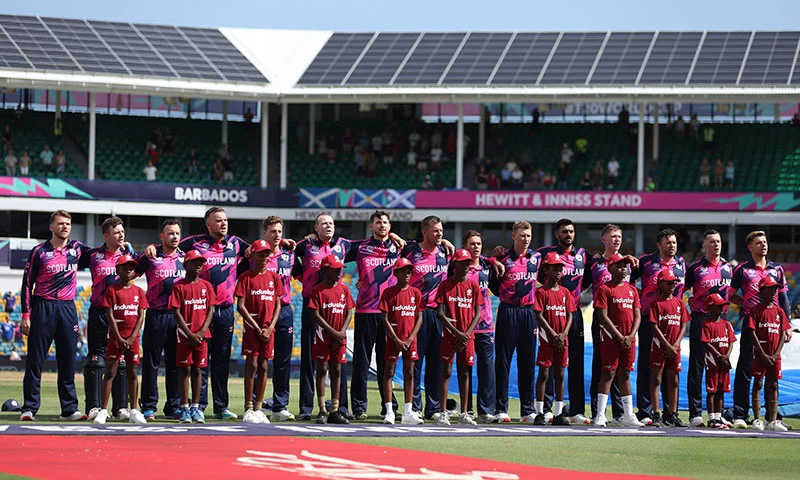
Scotland’s World Cup Dream Faces Visa Test Ahead of T20 World Cup
Scotland’s surprise entry into the T20 World Cup 2026 has brought excitement—and urgency—as the team races to secure visas for its players ahead of the tournament in India and Sri Lanka. The situation has drawn particular attention due to visa sensitivities involving players of Pakistani heritage, including fast bowler Safyaan Sharif. Scotland replaced Bangladesh in the upcoming global event, earning a late but historic place in the marquee tournament. However, the short turnaround has left officials focused on logistical hurdles rather than on-field preparations. Sharif, one of Scotland’s key pace bowlers, was born in Huddersfield, England, to a Pakistani father and a British-Pakistani mother. He moved to Scotland at the age of seven and has since become a mainstay of the national side. His background has placed him at the center of visa-related concerns as the squad prepares to travel to India. Introducing your Scotland squad heading to the ICC Men's #T20WorldCup in India and Sri Lanka 🤩➡️ https://t.co/cmtJB52phQ pic.twitter.com/2EQgZb5CdH— Cricket Scotland (@CricketScotland) January 26, 2026 Speaking on Monday, Trudy Lindblade, Chief Executive of Cricket Scotland, said the board is working closely with tournament authorities to resolve the matter. “We are all committed to working with the ICC to make that happen,” Lindblade said. “The visa piece is always slightly unknown, and it doesn’t matter whether you’ve got three days or whether you’ve got 45 days.” She added that securing travel clearance for players has been the organization’s top priority since Scotland’s qualification was confirmed. “Certainly that’s been our focus in the last 48 hours—just getting those visas done so our players are all ready to go,” Lindblade said. “They’re in the middle of submitting their visas, and we’ll be on the ground in India as quickly as we can.” According to Lindblade, International Cricket Council has provided assurances on matters within its control and is coordinating with the Board of Control for Cricket in India and local authorities to support all participating teams. “There’s a team working very hard not just to help us, but to help 19 other teams going to a World Cup,” she said. “Right now, though, we are their intense focus.” The issue follows recent comments from Ali Khan, who said several USA players of Pakistani origin were initially denied visas for travel to India. Tournament officials later clarified that the issue was due to procedural delays rather than outright rejection. With the clock ticking, Scotland remains hopeful that all squad members will receive clearance in time, allowing the team to focus fully on its first appearance at a T20 World Cup hosted across India and Sri Lanka.
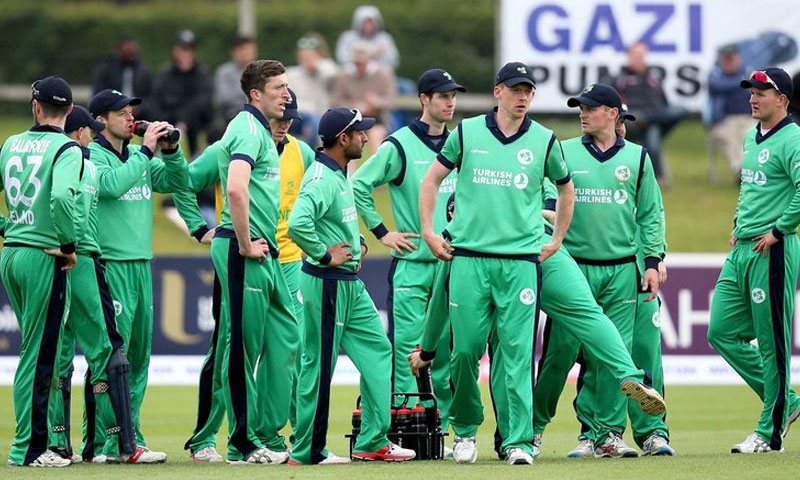
T20 World Cup Uncertainty Continues as Ireland Confirms It Will Not Play in India
Cricket Ireland has firmly stated that Ireland will not play its ICC Men’s T20 World Cup 2026 group-stage matches in India, dismissing speculation that a group swap with Bangladesh was being considered. The clarification comes after claims from Bangladesh that the Bangladesh Cricket Board (BCB) had approached the International Cricket Council (ICC) to explore exchanging groups with Ireland due to security concerns related to travel and participation in India. A Cricket Ireland official confirmed that the matter has been conclusively settled. “We’ve received definitive assurances that we won’t move from the original schedule. We’re definitely playing the group stage in Sri Lanka,” the official said. Ireland fixed in Sri Lanka-based group Ireland have been drawn in Group C, alongside Sri Lanka, Australia, Zimbabwe and Oman, with all of their group-stage matches scheduled to be played in Sri Lanka, one of the two co-hosts of the tournament. Cricket Ireland’s stance makes clear that the board has no intention of relocating its matches to India, regardless of any discussions involving other teams or groups. Bangladesh seeks venue change Bangladesh, meanwhile, are placed in Group B with West Indies, England, Nepal and Italy. Under the current schedule, Bangladesh are due to play their first three matches in Kolkata — against West Indies on February 7, Italy on February 9 and England on February 14 — before facing Nepal in Mumbai on February 17. The BCB confirmed that it raised the possibility of a group change during a meeting with ICC officials in Dhaka, citing concerns over the safety and security of its players, support staff, fans and media personnel. In a statement, the board said that “among other points, the possibility of moving Bangladesh to a different group as a means of facilitating the matter with minimum logistical adjustments was discussed.” However, Cricket Ireland’s confirmation indicates that any such proposal does not involve Ireland, and that the original group allocations remain intact. ICC discussions yield no change The ICC delegation at the Dhaka meeting included Gaurav Saxena, General Manager for Events and Corporate Communications, and Andrew Ephgrave, General Manager of the ICC Integrity Unit. Saxena joined the discussions virtually after receiving his Bangladesh visa later than expected, while Ephgrave attended in person. The BCB delegation was led by president Md Aminul Islam, along with vice-presidents Md Shakawath Hossain and Faruque Ahmed, Director and Cricket Operations Committee chairman Nazmul Abedeen, and CEO Nizam Uddin Chowdhury. In a separate statement, the BCB reiterated that it had formally requested the ICC to relocate Bangladesh’s matches to Sri Lanka, adding that the request reflected concerns expressed by the Bangladeshi government. Tensions remain The BCB has maintained that it is unwilling to send its team to India under the current circumstances, pointing to heightened tensions following Bangladesh pacer Mustafizur Rahman’s withdrawal from the Indian Premier League, an episode that sparked strong reactions in Dhaka. Despite the disagreement, the BCB said discussions with the ICC were conducted in a “constructive, cordial and professional” manner, and that dialogue on the issue would continue. Tournament overview The ICC Men’s T20 World Cup 2026 is scheduled to be held in India and Sri Lanka from February 7 to March 8. While Bangladesh’s participation venues remain under discussion, Cricket Ireland has made it clear that Ireland’s group-stage fixtures will remain in Sri Lanka and will not be shifted to India.

Immigrant Visas on Hold: What the US Visa Pause Means for Pakistan and Other Countries
The United States has temporarily halted the issuance of immigrant visas for citizens of 75 countries, including Pakistan, as part of a sweeping review of immigration policy ordered by President Donald Trump. The suspension took effect on January 21, according to the United States Department of State. In a statement released on Thursday, the State Department said the move is linked to an ongoing assessment of whether immigration pathways are aligned with the administration’s emphasis on economic self-reliance. Officials said the review aims to ensure that new permanent residents do not become dependent on public assistance programs in the United States. As part of the policy, immigrant visa processing for applicants from countries identified as “high-risk” has been paused. While applicants may continue to file paperwork and appear for scheduled interviews, no immigrant visas — which grant permanent residency — will be issued until the review is completed. The State Department said the pause will remain in place until authorities are satisfied that immigration screening mechanisms adequately prevent what it described as excessive reliance on welfare benefits by incoming migrants. No specific timeline was provided for when visa issuance may resume. Among the affected countries are Pakistan, Afghanistan, Bangladesh, Iran, Iraq, Egypt, Nigeria, Somalia, Russia, Brazil, and Thailand, along with dozens of others spanning Asia, Africa, the Middle East, Europe, and Latin America. Officials clarified that the suspension does not apply to tourist, student, or other non-immigrant visas. Previously approved immigrant visas will also remain valid, and dual nationals applying with passports from countries not included in the list are exempt from the freeze. The move reflects a broader tightening of US immigration policy under Trump’s second term. Since returning to office, the administration has reinstated and expanded enforcement of the “public charge” rule, a provision of US immigration law that allows officials to deny entry to individuals deemed likely to depend on government benefits. Trump pursued similar measures during his first presidency, including travel restrictions on several Muslim-majority countries — policies that faced extensive legal challenges before being upheld in revised form and later overturned by former president Joe Biden. The visa pause comes as immigration enforcement within the United States has also intensified. The agency Immigration and Customs Enforcement has expanded operations across multiple states, drawing public and political scrutiny. Tensions escalated last week after a US citizen, Renee Good, was fatally shot during a federal operation in Minneapolis, triggering protests and renewed debate over enforcement practices under the current administration.
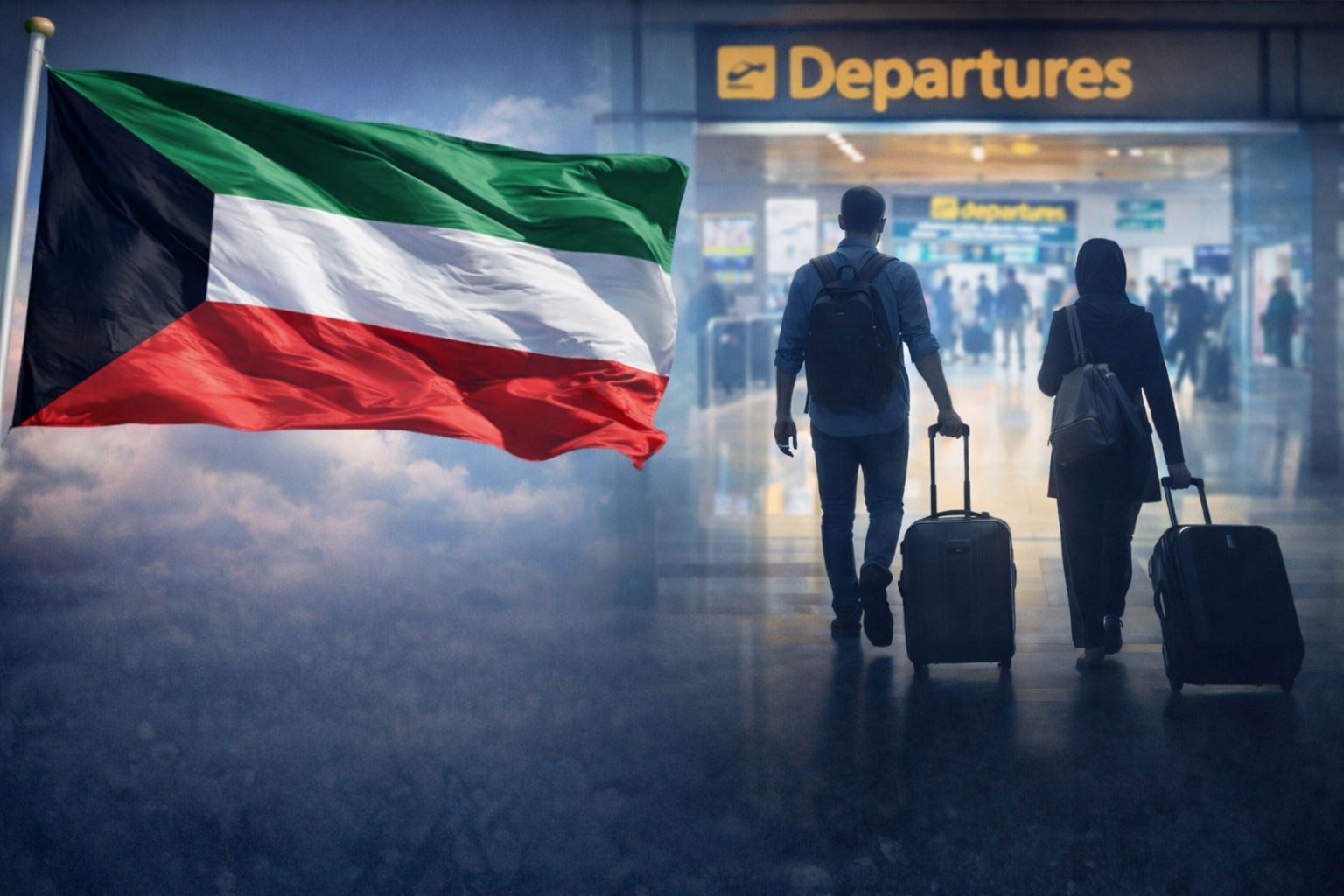
New Residency Rules: Kuwait Tightens Absence Limits for Foreign Residents
Kuwait has rolled out new residency regulations that restrict how long foreign residents can remain outside the country, marking a significant shift in its immigration oversight framework. Under the updated executive regulations of Kuwait’s residency law, expatriates will now be allowed to stay abroad for no more than six consecutive months without risking the loss of their residency status, according to Kuwait Ministry of Interior. The rule applies across most residency categories, with limited exemptions. The changes, reported by Gulf News, are aimed at tightening compliance, improving residency monitoring, and ensuring that foreign residents maintain an active presence in the country. Authorities have clarified that investors and property owners may be exempt from the six-month restriction, reflecting a more flexible approach toward long-term and economically significant residents. Separate Rules for Domestic Workers The revised regulations also introduce specific provisions for domestic workers under Article 20 of the residency law. Domestic staff will be permitted to remain outside Kuwait for a maximum of four months, unless their sponsor formally applies for and receives approval for extended leave. Officials say the differentiated framework is intended to balance stricter enforcement with practical flexibility, particularly for categories that require tailored arrangements. Stronger Oversight of Residency Status The Interior Ministry said the new system is designed to streamline residency management, curb prolonged absences, and prevent misuse of residence permits. By setting clear limits on time spent abroad, Kuwait aims to ensure that residency reflects genuine ties to the country rather than being used solely for long-term stay outside its borders. The policy is part of broader efforts by Kuwait to regulate immigration, manage demographics, and align residency practices with national priorities. Officials noted that while the rules introduce stricter controls, the government remains committed to maintaining reasonable flexibility for residents who contribute to the country’s economy and long-term development.
