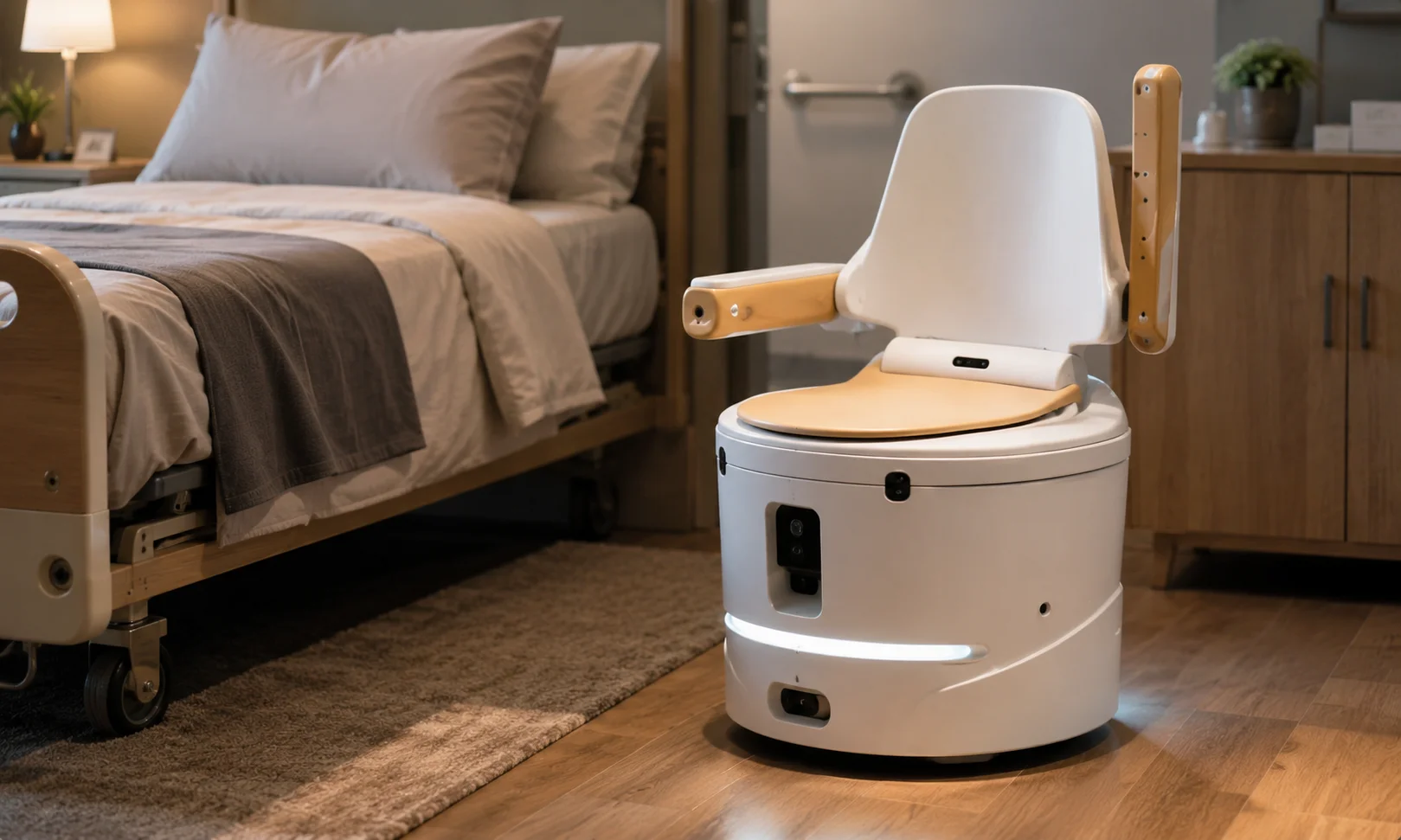
A Chinese technology company has unveiled an autonomous robotic toilet that can travel through a home and reach users when called, offering a new assistive solution for elderly people and those with limited mobility. Developed by Chinese company Yueban, the device is called Xiaoban. The company recently showcased it at the 2026 Shanghai International Elderly Care Expo, where its unusual combination of robotics and personal care attracted attention. Reports have placed its cost at around $4,000, equivalent to approximately Rs1.12 million in Pakistani currency. Other reports put its price in China at 28,999 yuan, or roughly $4,300. Global pricing and availability have not yet been confirmed. Robot toilet comes directly to the user Unlike a conventional toilet, Xiaoban can move autonomously through a home or care facility. Users can summon the robotic toilet through voice commands or a remote control. It then maps its route and travels directly to the user, including to a bedside. The robot uses LiDAR, laser technology and ultrasonic sensors for navigation. These systems help it detect walls, furniture, stairs and other obstacles while moving around a house. Its navigation works in a similar way to technology already used in advanced robot vacuum cleaners and other autonomous home devices. The product primarily targets elderly people, disabled users and those who struggle to walk independently to a bathroom. However, the device may not completely eliminate the need for assistance. Some people with serious mobility limitations could still require help transferring onto the toilet seat. It washes, dries and cleans itself Xiaoban offers more than autonomous movement. The robotic toilet includes a built-in automatic waste management system. It also provides warm-water washing and warm-air drying functions for users. Filters help reduce unpleasant odours and maintain cleanliness after use. The toilet can also clean itself automatically, reducing the amount of manual maintenance required. Read More: Your Phone May Be Dirtier Than a Toilet Seat. Here’s Why Reports say the system can use ultraviolet technology for sterilisation as part of its self-cleaning process. After use, Xiaoban can independently return to its charging station. If the docking station connects to household plumbing and drainage, the robot can empty waste automatically. It first processes the waste to reduce the risk of pipe blockages. The docking station can also refill its water supply and recharge the battery for the next use. Where direct drainage is unavailable, reports suggest the robot can travel to a conventional bathroom and transfer waste into a normal toilet. Technology targets growing elderly care needs The product arrives as China faces growing demand for elderly care and assistive technology. More than 320 million people in China were aged 60 or above by the end of 2025, accounting for around 23% of the population, according to Chinese government figures. That number could exceed 400 million in the coming years, increasing pressure on families, hospitals and elderly care facilities. Read More: Chinese EV Maker Patents Voice-Controlled Toilet Hidden Under Car Seat Xiaoban does not replace professional caregivers, especially for people who require physical assistance. However, its autonomous movement, cleaning and waste disposal systems could make everyday care easier. The robotic toilet also highlights how technologies associated with autonomous vehicles and home robots are increasingly moving into healthcare and assisted living.


