

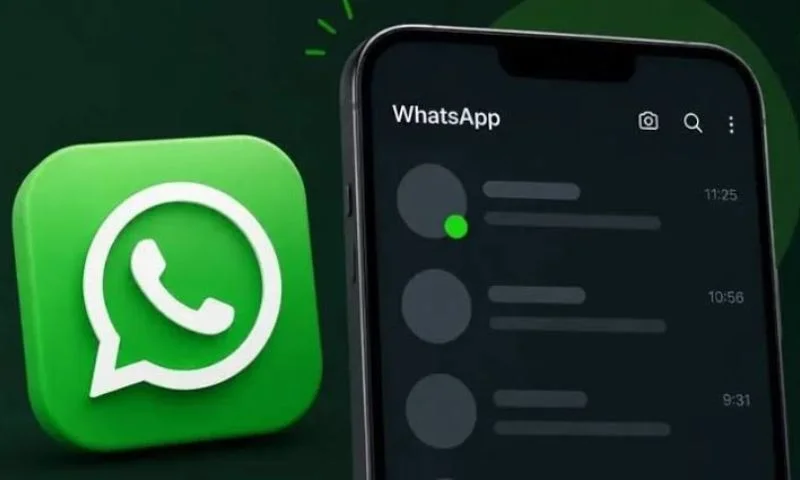
WhatsApp has begun testing a new “Green Dot” feature that allows users to instantly see when a contact is online, marking another step in Meta’s effort to make the messaging app more interactive while keeping existing privacy controls in place. The feature is currently available to a limited number of beta testers on Android and iPhone. It first appeared in the Android beta version 2.26.24.5 and has now expanded to iOS beta users through Apple’s TestFlight programme. Instead of relying on the familiar “Online” text label, WhatsApp now displays a small green circle on a contact’s profile picture whenever that person is actively using the app. The indicator disappears as soon as the user leaves WhatsApp, offering a real time view of availability. For now, users can only see the Green Dot on the Chat Info screen, which opens after tapping a contact’s name at the top of a conversation. It does not yet appear in the main chat list or inside chat windows, although future updates could expand its visibility. Privacy settings remain unchanged despite new feature WhatsApp says the Green Dot will respect the app’s existing privacy settings. The indicator will only appear if a user has chosen to share their “Last Seen and Online” status. People who hide their online status will not display the Green Dot, and they also will not see it for others. This approach ensures the feature does not override existing privacy preferences. Read More: WhatsApp Finally Lets You Chat Without Sharing Your Phone Number The visual cue replaces the current “Online” text label shown on the Chat Info page. Meta believes the new design makes it easier for users to identify active contacts without reading additional text. Technology analysts note that similar online indicators already exist on messaging platforms such as Instagram, Facebook Messenger, Telegram and Discord. WhatsApp’s version follows the same principle while maintaining the app’s privacy focused design. Green Dot could become part of a larger contacts hub The Green Dot is expected to play a bigger role in WhatsApp’s upcoming Contacts Hub, a feature currently under development. According to beta tracking platform WABetaInfo, the new hub will display contacts who are currently online or were recently active. Users may also be able to sort contacts by availability, making it easier to find someone ready to chat. The Green Dot will serve as the primary visual indicator throughout that section. WhatsApp continues to roll out new features gradually through its beta programme before making them available to all users. The company has not announced when the Green Dot will arrive in the stable version of the app. With more than three billion monthly users worldwide, WhatsApp regularly tests new features in beta builds before wider release. Recent additions include usernames, stronger anti scam protections and expanded Meta AI tools, reflecting the company’s continued focus on improving user experience while preserving end to end encryption and privacy.

WhatsApp Users Discover Secret Trick That Could Expose a Block
For years, WhatsApp users have relied on clues such as missing profile photos, hidden “Last Seen” status and single grey check marks to guess whether someone has blocked them. However, those signs often prove unreliable because privacy settings, internet connectivity issues and account changes can produce similar results. Now, a newly discovered behavior within WhatsApp’s encryption system may offer users another way to check their status without sending a message or making a call. According to a report by WhatsApp feature tracker WABetaInfo, the platform’s automatic encryption verification tool could serve as an unofficial indicator that something is wrong with a chat, including the possibility that a user has been blocked. Encryption Tool Draws Attention WhatsApp originally introduced encryption verification to help users confirm that their conversations remain protected by end-to-end encryption (E2EE). The security feature sits within the contact information section of a chat. Users can open a conversation, tap a contact’s profile name and select “Encryption.” WhatsApp then automatically checks whether the encrypted connection between both accounts remains intact. According to WABetaInfo, the process normally completes without issues when both accounts communicate as expected. However, researchers observed a different pattern in some blocked chats. The report says WhatsApp may repeatedly fail to complete the verification process and instead suggest alternative verification methods. “If everything is normal, the verification completes smoothly. But if WhatsApp repeatedly fails to verify encryption and suggests alternative methods, it could hint that something’s off, possibly including being blocked.” The discovery has attracted attention because the method allows users to investigate quietly. Unlike messages or voice calls, the verification process does not alert the other person. “The interesting part: This method doesn’t notify the other person at all, unlike sending a message or placing a call, so users can check quietly, without tipping anyone off.” Not Official Proof of a Block Despite growing interest in the feature, WhatsApp has not confirmed that encryption verification can identify blocked accounts. WABetaInfo stressed that users should not treat the behavior as definitive evidence. The publication noted that the issue appeared consistently in known blocked chats during testing. However, it cautioned that other technical factors could potentially trigger similar verification problems. WhatsApp’s official support pages continue to state that the company intentionally avoids providing direct confirmation when someone blocks a user. Instead, it points to indirect indicators such as undelivered messages, missing profile updates and unavailable status information. Privacy experts say this approach helps protect user privacy and prevents unwanted contact. The latest finding comes as WhatsApp continues expanding security features across its platform. The Meta-owned messaging service recently introduced advanced chat privacy tools, encrypted backups and stronger account protection measures for its more than two billion users worldwide. For now, the encryption verification trick remains an unofficial workaround rather than a confirmed feature. Still, for users trying to solve the mystery of a silent WhatsApp contact, it may provide the strongest clue yet without revealing their suspicions.
WhatsApp Is Getting a Game-Changing Instagram-Style Close Friends Feature
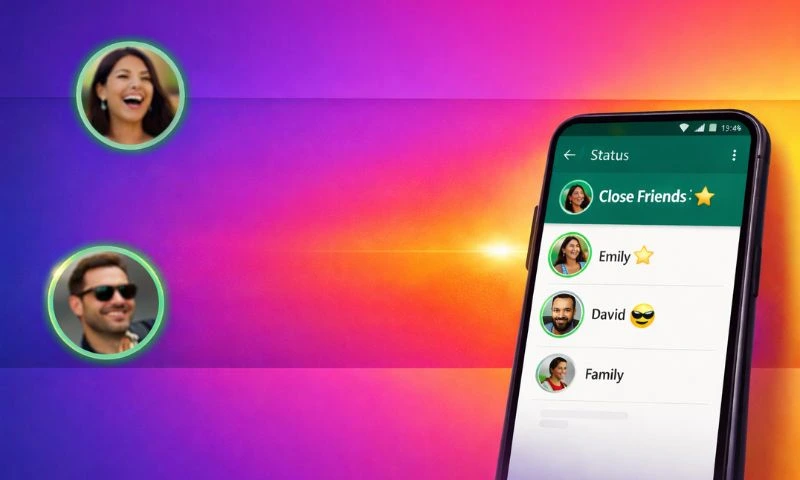
Meta’s popular messaging app WhatsApp is reportedly preparing to roll out an Instagram-like “Close Friends” feature that will give users more control over who sees their Status updates. According to the latest report by Business Today, this new option is currently under development and was spotted in WhatsApp beta builds for Android. At present, WhatsApp users choose from basic Privacy settings when sharing a Status. They can select “My Contacts,” “My Contacts Except,” or “Only Share With.” With the new Close Friends list, users will be able to save a group of trusted contacts that they often share personal updates with. This change makes sharing intimate moments easier, without the need to constantly adjust privacy settings. Feature tracker WABetaInfo first spotted the Close Friends option in beta versions 2.26.5.11 and 2.26.5.13 on Android, suggesting a wider rollout could come soon after testing is complete. Instead of manually selecting contacts every time, users can now pre-define their inner circle and use it with just one tap. Unlike Instagram, where only followers can be added to a Close Friends list, WhatsApp’s version will use the app’s existing contacts. Users can add or remove people from their Close Friends list either from the Status privacy settings screen or directly when posting a Status update. However, changes to the list will apply only to future Status posts. If someone is removed after a Status is posted, they will still be able to see updates they were initially granted access to. Reports from other tech news outlets confirm that WhatsApp testers noticed customised lists can even have names and emojis, making it easier for users to distinguish different groups, such as close family versus colleagues. Selected contacts in the Close Friends list are expected to see a different coloured circle around the sender’s profile photo, much like Instagram’s green ring that shows stories shared with only close friends. For many users, this feature could be a valuable privacy tool. People often hesitate to post photos or thoughts on WhatsApp Status because they do not want everyone in their contact list to see them. The Close Friends list gives a private space to share moments without stress. WhatsApp has not yet announced when the Close Friends feature will be widely available. The company is currently testing the tool with beta users and gathering feedback before a stable release.

WhatsApp Brings Voice & Video Group Calls to Web
WhatsApp Web is finally getting a long-awaited upgrade that will make online communication smoother and more complete. The Meta-owned messaging platform is developing group voice and video calling for its web client, a feature users have been asking for years. The update will also bring call links and scheduled calls, narrowing the gap between WhatsApp’s mobile and web experiences. Currently, WhatsApp Web only supports basic messaging and one-on-one calls. Soon, users will start and join group calls directly from a browser without switching to the mobile or desktop apps. This change matters a lot for people working from shared computers or in environments where installing apps is restricted. According to reports from WABetaInfo, WhatsApp is actively testing this feature in beta and refining it before public release. The company aims to make the web experience closer to the mobile app, where group calling is already possible. Here’s how the upgrade will change things: Group voice and video calls: Users can call multiple people at once from WhatsApp Web. This could start with smaller groups, supporting possibly 8 to 16 participants initially, before expanding to up to 32 people, matching the mobile app. Call links: You will be able to generate a shareable link for voice or video calls right from the chat. This makes it easier to invite participants without manually adding each person. Scheduled calls: The web client may let users schedule calls in advance, complete with notifications and reminders. This suite of features could make WhatsApp Web much more powerful for both personal and professional use. People who rely on the browser version during work hours will now have a fully integrated calling experience without juggling devices. WhatsApp’s core calling features are already strong on mobile. The platform offers end-to-end encrypted voice and video calls, and supports up to 32 people in group calls on phones and tablets. The web calling rollout does not yet have an official release date. Reports suggest that WhatsApp is refining stability and call quality before a broader launch. Once complete, the feature could arrive in WhatsApp Web early in 2026. This upgrade will mark a major step in WhatsApp’s strategy to unify its services across platforms and make communication easier for billions of users worldwide.
