

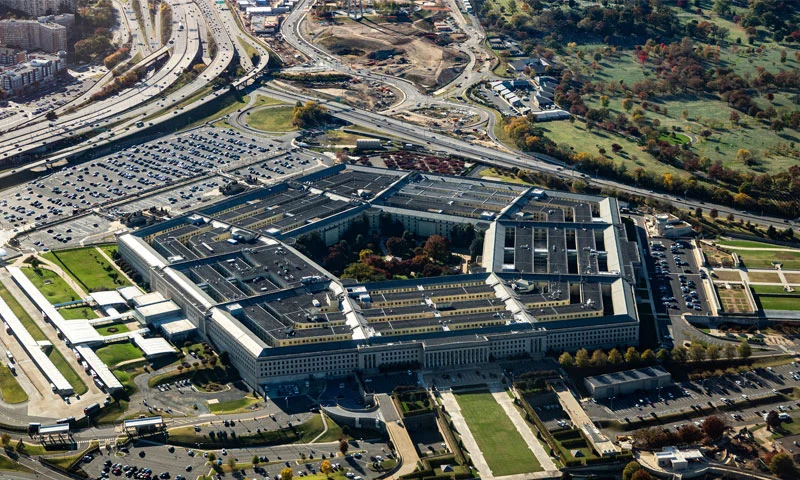
The US Defence Department plans to seek about $80 billion from Congress to cover costs linked to the Iran war and other military expenses, according to a report by The Wall Street Journal. The request comes as the conflict enters its fifth month and lawmakers debate both its financial cost and legal basis. The newspaper reported on Thursday that Deputy Defence Secretary Stephen Feinberg shared the funding proposal with lawmakers this week. The report cited people familiar with the discussions. Pentagon officials have warned that military operations could face funding shortages in the coming months unless Congress approves a new wartime spending bill. The proposal has also intensified political pressure on President Donald Trump, who faces criticism from opponents over the cost of the conflict. Critics argue that billions of taxpayer dollars are flowing into the Middle East while Americans continue to struggle with inflation and high energy costs. Pentagon Warns of Budget Shortfall According to The Wall Street Journal, Pentagon leaders have told lawmakers that current funding levels may not be enough to sustain operations. The report said the military could reduce training activities if additional funding does not arrive soon. Troop deployments along the US-Mexico border could also face cuts. Those forces currently support Trump’s immigration enforcement policies. A source cited by the newspaper said part of the proposed $80 billion package would fund munitions, military personnel and naval operations. The Pentagon reported last month that direct costs related to the Iran war had reached nearly $29 billion. However, Democrats and other critics argue that the true cost is significantly higher. They point to economic losses, military damage and long-term obligations linked to the conflict. Questions about US weapons stockpiles have also increased. Last month, Acting Navy Secretary Hung Cao cited the war when explaining a pause in some arms sales to Taiwan. His comments raised concerns about whether the conflict is placing additional strain on US military inventories. Defence Secretary Pete Hegseth later dismissed suggestions that the United States faces a serious munitions shortage. Congress Divided Over War Funding The conflict began after US and Israeli strikes on Tehran in late February. The fighting quickly spread across the region and disrupted energy markets. The war has also affected shipping through the Strait of Hormuz, a key route for global oil supplies. Analysts have warned that prolonged instability could place further pressure on crude prices and inflation. Efforts to end the conflict remain uncertain. A proposed agreement came under strain after renewed fighting between Israel and the Iran-backed Hezbollah movement in Lebanon. Planned talks in Switzerland were later postponed, casting doubt on the immediate prospects for a ceasefire. The Pentagon’s funding request has also reignited a constitutional debate in Washington. Several lawmakers have said they will not support additional funding unless Congress formally authorises the war. Democrats accuse Trump of bypassing Congress when he launched military action against Iran. They argue that the president violated the Constitution and exceeded his authority. Lawmakers have pointed to the War Powers Act, which requires presidents to secure congressional approval within 60 days after introducing US forces into hostilities. That deadline passed weeks ago, according to Democratic lawmakers. They argue that the administration is now operating outside legal limits. The White House has not publicly responded to the latest criticism. The debate over military funding, presidential authority and the long-term cost of the Iran conflict is expected to dominate congressional discussions in the weeks ahead as lawmakers review the Pentagon’s request.
Trump Suffers Major Blow as Republican-Led House Votes to End Iran War
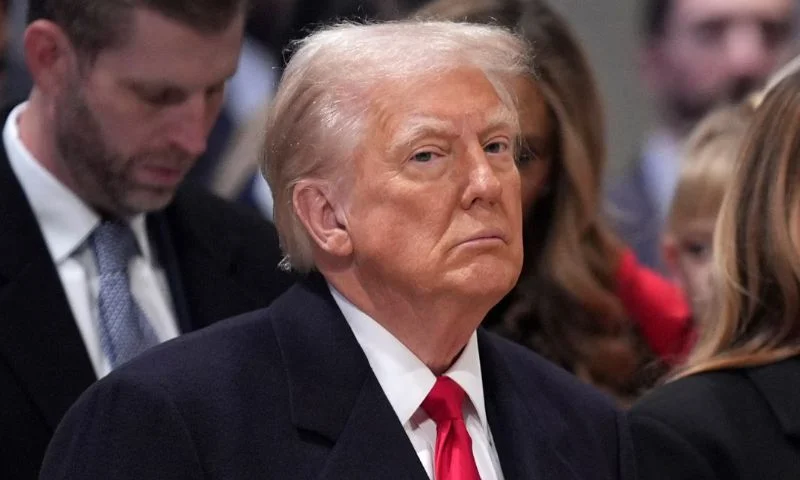
In a significant political setback for President Donald Trump, the Republican-led US House of Representatives on Wednesday approved a resolution aimed at ending American involvement in the war against Iran, reflecting growing unease within the president’s own party over a conflict that has stretched into its fourth month. The House voted 215-208 in favour of the war powers resolution, with four Republicans joining Democrats to support the measure. The resolution directs Trump to withdraw US troops from Iran unless Congress formally declares war or authorises the use of military force. Statement from Ranking Member @RepGregoryMeeks on the passage of his War Powers Resolution terminating U.S. hostilities against Iran: pic.twitter.com/ShtZ500Jzh — House Foreign Affairs Committee Dems (@HouseForeign) June 3, 2026 >The four Republicans who broke ranks were Representatives Tom Barrett of Michigan, Warren Davidson of Ohio, Brian Fitzpatrick of Pennsylvania and Thomas Massie of Kentucky. No Democrats voted against the measure, while seven House members did not cast votes. The vote marked the first time the Republican-controlled House has approved legislation seeking to force Trump to scale back military operations against Tehran since the conflict began following joint US-Israeli air strikes on Iran on February 28. Growing Republican Unease Although the resolution is largely symbolic for now, it represents a rare bipartisan challenge to presidential war powers and highlights increasing frustration in Congress over the administration’s handling of the conflict. The measure must still pass the Senate before it can take effect, and legal experts continue to debate whether such resolutions are constitutional. Three previous House attempts to curb Trump’s war powers failed by narrow margins. Last month, Republican leaders even postponed a scheduled vote when it appeared likely to pass. The Senate has also shown signs of shifting sentiment. In May, senators advanced a similar resolution in a procedural vote after several earlier efforts failed. Further action on that measure has not yet been scheduled. The House vote came amid broader Republican resistance to several Trump initiatives. On the same day, lawmakers advanced the Ukraine Support Act and criticised Trump’s choice of Bill Pulte, a mortgage regulator with no national security background, to serve as acting director of national intelligence. Debate Over War Powers Democrats argue that the US Constitution grants Congress, not the president, the authority to declare war. They have repeatedly called on Trump to seek congressional approval for military action against Iran. Lawmakers have also linked the conflict to rising prices for fuel, food and consumer goods, making economic concerns a major issue ahead of November’s midterm elections. US producer prices recorded their largest increase in four years in April as war-related costs climbed. “The passage of this WPR today signals a significant turning point: more and more Republicans are listening to their constituents who do not want another open-ended war in the Middle East,” Representative Gregory Meeks said after the vote. 🚨BREAKING🚨 The House just PASSED @RepGregoryMeeks‘ Iran War Powers Resolution. This is a loud and unambiguous message to Donald Trump on behalf of the American people: it’s time to end his deeply unpopular and illegal war of choice in Iran. pic.twitter.com/xhHU1djuzp — House Foreign Affairs Committee Dems (@HouseForeign) June 3, 2026 In a separate statement, House Foreign Affairs Committee Democrats declared: “This is a loud and unambiguous message to Donald Trump on behalf of the American people: it’s time to end his deeply unpopular and illegal war of choice in Iran.” The Trump administration has defended the military campaign, arguing that it is necessary to prevent Iran from developing a nuclear weapon and to protect US national security interests. Republican critics of the resolution dismissed it as political grandstanding designed to weaken the president.
