


Iranian Foreign Minister Abbas Araghchi’s visit to Islamabad has emerged as a significant diplomatic moment, with high-level meetings held in the Pakistani capital and renewed momentum building around efforts to revive dialogue between the United States and Iran. The visit, which comes amid a fragile ceasefire and ongoing tensions, saw Araghchi engage with Pakistan’s top civil and military leadership, focusing on regional stability and the future of negotiations. High-Level Meetings and Key Discussions During his stay, Araghchi met Deputy Prime Minister and Foreign Minister Ishaq Dar, as well as Chief of Army Staff Field Marshal Asim Munir. Officials said the talks centered on regional security, ceasefire developments and the prospects for restarting formal negotiations between Washington and Tehran. Pakistan’s Foreign Office said discussions included “ongoing efforts for regional peace and stability,” underscoring Islamabad’s role as a facilitator in the evolving diplomatic landscape. Araghchi reiterated Iran’s position on dialogue, stressing that meaningful negotiations depend on addressing core concerns, particularly sanctions and security guarantees. The visit also built on earlier diplomatic contacts, including recent exchanges between Pakistani and Iranian leadership, as well as Islamabad’s outreach to Washington. Read More: US Plans Iran Talks in Islamabad as Tehran Declines Further Negotiations Pakistan’s Mediation Role Strengthens The visit has reinforced Pakistan’s position as a key intermediary between the two sides. Officials familiar with the discussions said messages and proposals were exchanged during the meetings, aimed at narrowing differences and identifying possible areas of compromise. Pakistan has already hosted previous rounds of indirect talks between US and Iranian officials, and preparations for another round in Islamabad remain under consideration. Diplomatic sources said Araghchi’s visit helped clarify Iran’s stance on several issues, while also allowing Pakistan to convey the latest developments from the US side. Observers note that Islamabad’s involvement has created a rare channel of communication between the two adversaries, particularly at a time when direct engagement remains limited. 🔊PR No.1️⃣0️⃣8️⃣/2️⃣0️⃣2️⃣6️⃣ Visit of the Iranian Delegation to Pakistan 🔗⬇️ pic.twitter.com/6FtrwOCbou — Ministry of Foreign Affairs – Pakistan (@ForeignOfficePk) April 24, 2026 Read More: Islamabad Back In Focus As US, Iran Plan Next Round Of Talks Aftermath and What Comes Next Following the visit, there are signs of cautious optimism, but no immediate breakthrough has been announced. Both sides appear willing to continue dialogue, though significant gaps remain on key issues. Iran has maintained a careful approach, indicating that it is open to talks but only under conditions it considers fair. Meanwhile, US officials have signaled readiness to engage, with potential travel by negotiators to Islamabad still under discussion. Analysts say the visit has helped keep diplomatic channels active at a critical juncture, especially as the ceasefire timeline continues to create pressure for progress. While expectations of a quick agreement remain low, the outcome of Araghchi’s visit suggests that the negotiation process is still alive, with Pakistan continuing to play a central role in bridging differences. The coming weeks are expected to determine whether the momentum generated during the visit can translate into formal talks or whether the process will face further delays.
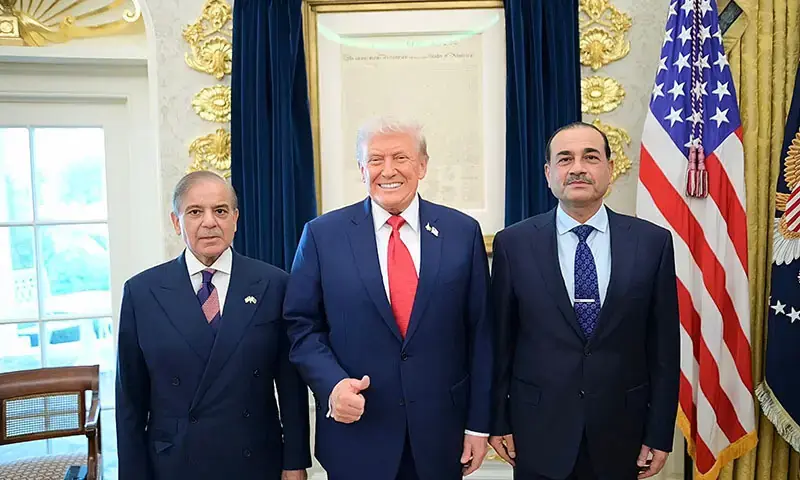
US President Donald Trump Announces Ceasefire at Pakistan’s Request, White House Signals Caution
US President Donald Trump announced a ceasefire with Iran through his social media platform Truth Social, crediting Pakistan’s leadership for playing a key role in securing the pause in hostilities as diplomatic efforts continue. In his post, Trump said the ceasefire decision was taken “at the request of Pakistan’s Prime Minister Shehbaz Sharif and Field Marshal Asim Munir,” adding that it was intended to create space for ongoing negotiations. He described the move as part of efforts to reduce tensions and give diplomacy a chance to succeed. 🚨 pic.twitter.com/7dXfz9afth— Rapid Response 47 (@RapidResponse47) April 21, 2026 The announcement comes at a critical moment, with a fragile ceasefire nearing its deadline and uncertainty surrounding the next round of talks between Washington and Tehran. Pakistan Welcomes Ceasefire, Highlights Mediation Role Prime Minister Shehbaz Sharif responded on X, thanking Trump for accepting Pakistan’s request and extending the ceasefire. “On my personal behalf and on behalf of Field Marshal Syed Asim Munir, I sincerely thank President Trump for graciously accepting our request to extend the ceasefire to allow ongoing diplomatic efforts to take their course,” the prime minister said. On my personal behalf and on behalf of Field Marshal Syed Asim Munir, I sincerely thank President Trump for graciously accepting our request to extend the ceasefire to allow ongoing diplomatic efforts to take their course. With the trust and confidence reposed in, Pakistan…— Shehbaz Sharif (@CMShehbaz) April 21, 2026 He reiterated that Pakistan would continue its efforts to facilitate dialogue between the United States and Iran, expressing hope that negotiations could lead to a long-term resolution. Federal Information Minister Attaullah Tarar also welcomed the development, calling it a positive outcome of Pakistan’s diplomatic engagement and a reflection of its growing role in promoting regional stability. The situation as it stands at 1930 PST 1. Formal response from Iranian side about confirmation of delegation to attend Islamabad Peace Talks is still awaited.2. Pakistan as the mediator is in constant touch with Iranians and pursuing the path of diplomacy and dialogue.3.…— Attaullah Tarar (@TararAttaullah) April 21, 2026 White House Cautious as Talks Hang in Balance While confirming the ceasefire, the White House signaled caution about the future of negotiations, indicating that further talks would depend on Iran’s participation and progress on key issues. Officials noted that a planned visit by US negotiators to Islamabad remains under review, amid uncertainty over whether Tehran will join the next round of discussions. Iran has taken a more guarded stance, raising concerns over US conditions, sanctions and military actions, which it says must be addressed before meaningful negotiations can proceed. Ceasefire Buys Time but Key Gaps Persist The ceasefire extension is seen as a temporary measure aimed at preventing escalation while allowing both sides to continue diplomatic engagement. However, major differences remain over core issues, including sanctions relief, regional security arrangements and maritime restrictions. Analysts say Pakistan’s role as a mediator has gained prominence, with Islamabad hosting earlier rounds of talks and maintaining communication channels between both sides. Despite some signs of progress, experts caution that the path to a final agreement remains complex, with both Washington and Tehran holding firm on key demands. With the ceasefire deadline approaching, the coming days will be crucial in determining whether the diplomatic process can deliver a breakthrough or if tensions could rise again.
