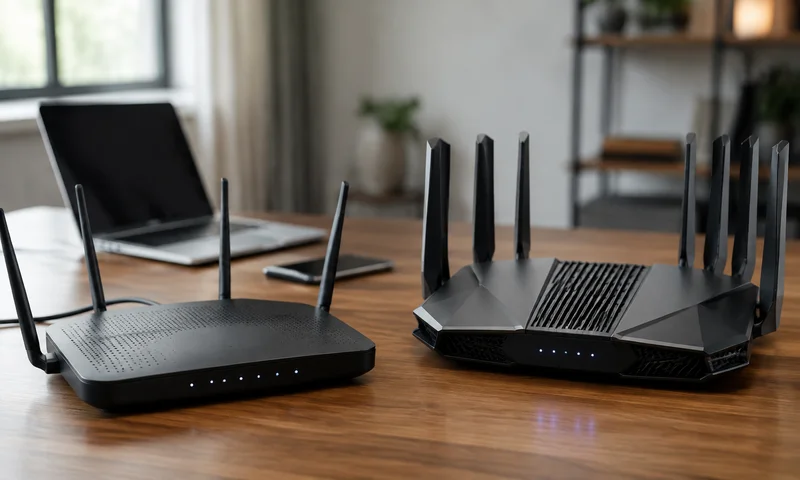
Wi-Fi 8 routers are nearing reality, but consumers have little reason to delay a necessary upgrade or buy early hardware. The next standard remains under development, while compatible phones, laptops and client devices remain some distance away. Mainstream products will likely begin arriving during the second half of 2028, according to XDA Developers. Wi-Fi 8 specification remains unfinished Wi-Fi 8 uses the technical name IEEE 802.11bn and carries the Ultra High Reliability designation. IEEE’s working group continues to develop the specification and expects final approval during 2028. The latest IEEE project timeline points towards key final approvals in May 2028. Manufacturers may demonstrate draft-based routers before ratification, as companies have done during previous Wi-Fi transitions. However, buyers should treat any early Wi-Fi 8 branding carefully until certification and compatible clients arrive. Wi-Fi 8 will focus less on lifting headline speeds and more on improving performance under difficult conditions. Developers aim to strengthen connections in crowded networks, at coverage edges and while devices move between access points. Qualcomm describes Ultra High Reliability as “consistently delivering low-latency, high-throughput connectivity” in demanding real-world environments. Proposed features include better coordination between access points, smoother roaming and more stable performance during interference. Wi-Fi 7 offers more speed than many homes need Wi-Fi 7 already introduces major technical gains over Wi-Fi 6 and Wi-Fi 6E. These include 320 MHz channels, 4K QAM and Multi-Link Operation. Multi-Link Operation lets compatible devices send data across multiple wireless bands. Intel says this can improve throughput, reduce latency and strengthen connection reliability. Intel also says Wi-Fi 7 can offer up to 2.4 times the peak throughput of Wi-Fi 6E. Users need Wi-Fi 7 support at both ends of the connection. Buying a new router will not unlock the standard’s benefits on older phones or laptops. The internet package can also remain the main bottleneck. A Wi-Fi 7 router may deliver little visible improvement when everyday browsing and streaming already work smoothly. XDA argues that even homes with compatible devices may notice limited change during normal use. The upgrade makes more sense for people who can saturate multi-gigabit connections or frequently transfer large files across local networks. Who should upgrade now and who should wait Households using a stable Wi-Fi 6 or 6E network can reasonably postpone Wi-Fi 7. Waiting could bring lower prices, broader device support and a clearer Wi-Fi 8 roadmap. Power users with multi-gig internet, fast network storage or demanding local transfers may still benefit from Wi-Fi 7 today. They should confirm that their devices support its key features before spending more. People struggling with an ageing Wi-Fi 5 router should not wait two years for Wi-Fi 8. A well-placed Wi-Fi 6, 6E or mesh system could solve immediate coverage and capacity problems. For everyone else, Wi-Fi 8 remains a technology to watch rather than buy. Until IEEE completes the standard and certified client devices arrive, promises of future-proof Wi-Fi 8 hardware deserve caution.


