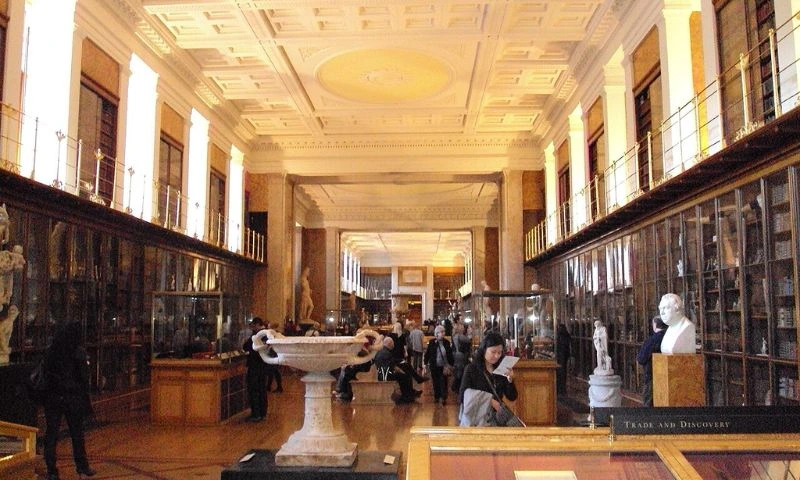
The world’s most-visited cultural institution, the British Museum in London, is facing sharp criticism after removing the word “Palestine” from some of its ancient Middle East displays. The museum quietly revised several maps, labels, and information panels in its Levant and Egypt galleries, replacing the term with historically specific names such as “Canaan” and “Canaanite”. Critics say the changes distort history and erase Palestinian presence. Officials said the updates were prompted by concerns that the word “Palestine” was being applied retroactively to cultures and civilizations that existed long before the term was coined in later historical eras. They noted that the name “Palestine” first became established in Western and Middle Eastern scholarship in the late 19th century and may no longer be neutral when used to describe ancient periods. The museum also noted that in modern contexts, it still uses United Nations terminology on maps showing current political boundaries, such as Gaza, West Bank, Israel, and Jordan, and refers to “Palestinian” when appropriate as a cultural or ethnographic identifier. However, the decision triggered immediate backlash from historians, activists, and the wider public. Times columnist and historian William Dalrymple called the move “ridiculous,” pointing out that the earliest recorded use of the word “Palestine” dates back to at least 1186 BCE, predating even the first known mention of “Britain”. On social media, he wrote: “To reassure you we are not removing mention of Palestine from our labels. Indeed, we have a display on at the moment about Palestine and Gaza.” A petition opposing the change quickly gained traction online, amassing over 5,000 signatures within days. Opponents argue that removing the term contributes to erasing Palestinian presence from public memory and blurs the historical record. Activists have charged that the move reflects political pressure, particularly after a campaign by the pro-Israel legal group UK Lawyers for Israel (UKLFI) urged the museum to revise its terminology. The Palestinian ambassador to the United Kingdom, Husam Zomlot, condemned the decision, stressing that “Cultural institutions must not become arenas for political campaigns. Palestine exists. It has always existed and it always will.” The British Museum has said further updates will take place over time as part of ongoing gallery redevelopment. But critics warn that losing established terms risks rewriting history rather than clarifying it.


