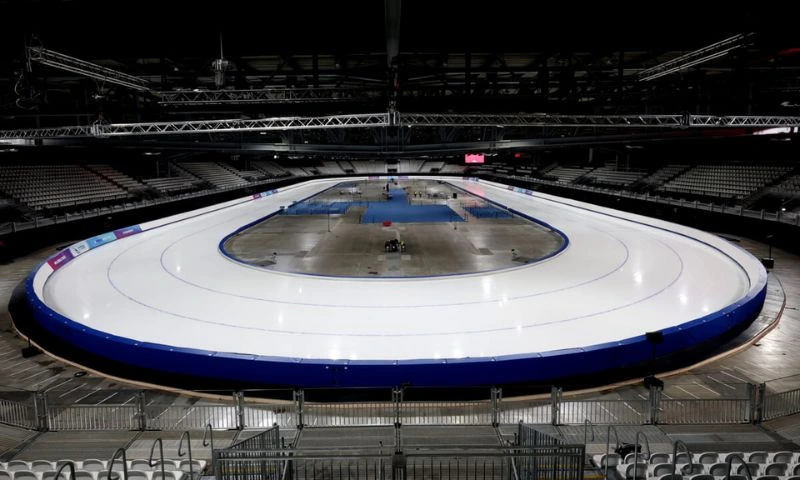
As the 2026 Winter Olympics draw near, Milan and Cortina d’Ampezzo are gearing up to host one of Italy’s most ambitious sporting events ever. The Winter Games will be held from February 6 to 22, 2026, and feature a wide range of winter sports staged across spectacular Italian venues that blend historic tradition with modern design. The Games mark a unique moment in Olympic history. For the first time, events will be heavily dispersed across multiple clusters, spreading over more than 22,000 square kilometers across northern Italy rather than concentrated in one urban hub. Athletes and fans will travel between Milan, Cortina d’Ampezzo, Livigno, Bormio, Anterselva, Predazzo, and even Verona, offering diverse landscapes from alpine peaks to urban arenas. Key Venues That Will Steal the Show In Milan, the action begins with the iconic San Siro Stadium, which will host the opening ceremony. It’s a historic choice since the venue traditionally hosts football matches and concerts. Ice sports such as figure skating and ice hockey will take place in state-of-the-art arenas including the new PalaItalia Santa Giulia and the Milano Ice Park, all part of Milan’s sprawling Santa Giulia district redevelopment. Meanwhile, the Cortina cluster—with its legendary alpine slopes—will showcase classic snow sports. The Tofane Alpine Skiing Centre will host high-speed downhill competitions, while the newly completed Cortina Sliding Centre will stage bobsleigh, skeleton, and luge events at a world-class track built for these Games. Northern Italy’s Valtellina and Livigno clusters add to the excitement with freestyle skiing, snowboarding, and ski mountaineering in rugged alpine settings that have long attracted winter sports enthusiasts. These venues reflect Italy’s commitment to both tradition and innovation. The Olympics will also stage its closing ceremony in the ancient Verona Arena, a Roman amphitheater that has stood for nearly two millennia. Renovations ahead of the Games aim to enhance accessibility while preserving the site’s historic grandeur. Beyond Competition: Legacy and Tourism The Games are expected to bring long-term benefits to Italy’s tourism and infrastructure. Towns like Cortina d’Ampezzo anticipate a surge in visitors, echoing the boost they experienced after hosting the Winter Olympics in 1956. Updated facilities and new venues aim not only to impress during the two weeks of competition but to sustain winter sports tourism for years to come. From bustling Milan arenas to alpine stages framed by the Dolomites, the 2026 Winter Olympics will showcase Italian venues that reflect the nation’s cultural richness and sporting spirit. Fans from around the world will witness thrilling competition across some of Europe’s most breathtaking landscapes.