


A Mozilla Foundation investigation has exposed major differences in how popular period trackers protect sensitive reproductive health information. Researchers tested Flo, Clue, Stardust, Spot On, Period Calendar and Euki using network analysis and hands-on reviews. Scores ranged from 10 out of 10 for Euki to two for Stardust. Mozilla said the findings carry greater importance after federal abortion protections ended in the United States in 2022. Stardust Shared Detailed Health Information Stardust tells users, “Your data is private. Period.” However, Mozilla found that the app sent detailed health information to RudderStack, a provider not named in its privacy policy. The data included pregnancy status, birth control, moods, alcohol use and symptoms such as stomach cramps and tender breasts. Stardust said RudderStack acts only as a “technical pipeline” and receives no names or contact details. “Additionally, RudderStack is contractually prohibited from selling or using it for its own purposes,” a Stardust spokesperson said. Mozilla found a separate problem involving Planned Parenthood’s Spot On. The app’s core tracking features did not share health data. However, its provider search and Roo chatbot opened Planned Parenthood webpages where outside tracking began. Those pages shared care searches with AB Tasty, including queries for HIV testing and gender-affirming care. “Someone could probably fix this in an afternoon,” Mozilla researcher Shoshana Wodinsky said. Advertising Trackers Still See App Use Period Calendar did not transmit logged cycle details during Mozilla’s tests. However, it sent device identifiers and technical information to Google, InMobi and advertising systems without a clear off switch. Stardust shared similar usage data with Meta and AppsFlyer, although phone settings could reduce some tracking. Spot On’s linked webpages also activated services from Google, Microsoft, TikTok and Pinterest. Read More: Who Heals the Healers? Nearly 60% of Doctors Face Burnout in Pakistan “Data collected from a period tracking app can be part of a whole tapestry woven from many different threads of surveillance,” said privacy advocate Sara Geoghegan. “That can be very revealing.” Such information may show advertisers, data companies or authorities that someone uses a reproductive health app, even without revealing exact symptoms. Euki Earns Top Privacy Rating Mozilla described Euki’s default setup as “squeaky clean.” The app stores health information on the user’s device, requires no account and offers PIN, automatic deletion and decoy-screen features. Flo and Clue also performed relatively well. Mozilla found no evidence that either shared health information with advertising partners. Both store extensive records on company servers, but users can disable several advertising and analytics connections. Flo also provides an Anonymous Mode that separates identifying details from health data. Clue gives users separate controls for research, analytics, advertising and personalisation. Read More: Health Priorities This Year: Mental Health Takes the Spotlight Flo’s past remains relevant. In 2021, the US Federal Trade Commission finalised a settlement over allegations that it shared sensitive information with Facebook, Google and other firms despite earlier privacy promises. Mozilla advised users to check data storage, third-party access, privacy controls and a company’s track record before choosing a period tracker.
Pakistan Ends Taxes on Sanitary Pads and Contraceptives, Netizens React
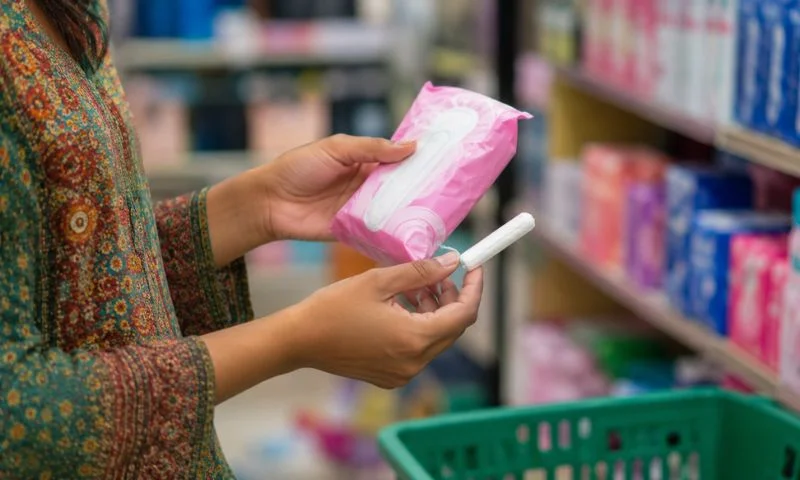
Finance Minister Muhammad Aurangzeb unveiled Pakistan’s 2026-27 budget on Friday. Among the many fiscal measures, two announcements quickly captured public attention. The government will remove taxes on sanitary pads and contraceptives from the next fiscal year. Many women, health advocates and social media users welcomed the move. They described it as a major step toward making essential health products more affordable. In Budget 2026-27, sanitary pads and tampons have been made tax-free, reducing financial burden and making essential products more accessible for women across Pakistan. A practical move for a more inclusive society.#BudgetForPakistan #عوام_دوست_بجٹ pic.twitter.com/tC2ajoZKdF — Madiha Abid Ali (@MadihaAbidAli) June 12, 2026 The tax changes will take effect on July 1, when the new fiscal year begins. Supporters say the decision could lower costs for millions of women and families across Pakistan. A Long-Awaited Change for Women’s Health The decision to remove taxes on sanitary pads triggered widespread praise online. Many users argued that menstrual hygiene products are basic necessities, not luxury goods. One social media user noted that Pakistan is set to join a small group of countries that do not tax menstrual hygiene products. Around the world, campaigners have urged governments to abolish what they call the “tampon tax.” They argue that women should not pay extra taxes on products they need every month. Budget 2026-27 has abolished the 18% tax on sanitary pads for women, also know as the pink tax, joining a list of only 17 other countries to have completely abolished such a tax. https://t.co/E3KhsyqiCA — Zehra Farooq (@ZehraFarooq) June 12, 2026 Many users also described the previous tax policy as “ridiculous.” They welcomed the government’s decision to scrap the levy. The announcement also renewed focus on activists who pushed for change. Women’s rights advocate Mahnoor Omer filed a petition in the Lahore High Court in September. She challenged the taxation of menstrual hygiene products and called for policy reform. Her campaign gained international recognition. TIME later included her on its Women of the Year list. Pakistan govt has officially proposed a complete removal of taxes on sanitary pads. Finance Minister Aurangzeb announced the abolition in his budget speech. Congratulations to Mahnoor Omer & the entire team working on this! #periodTax was discriminatory & I’m glad it’s over! — Saqib Jamil (@saqibjamil88) June 12, 2026 In Karachi, activist Alishba Shabbir filed a similar petition in the Sindh High Court in November. Her legal challenge added momentum to the growing campaign. Health advocates say lower prices can help tackle period poverty. They also believe affordable products can improve menstrual health for women and girls from low-income households. Contraceptives and Population Concerns The government also removed taxes on contraceptives. Public health experts welcomed the decision and said it could improve access to family planning products. However, some observers questioned how much impact the move would have on its own. Several social media users argued that lower prices alone will not increase contraceptive use. They pointed to cultural attitudes, social stigma and limited awareness as major barriers. These factors continue to influence family planning decisions across Pakistan. People don’t not buy contraceptives because of GST. They don’t buy them because it’s an extra expense, or just because they don’t believe in the concept. Does anyone truly believe this is going to increase acceptance and increase sales amongst the masses? https://t.co/reu4JTFSzX — 🇵🇸 Imperial Marcher 🇵🇸 (@ST_Incognito) June 12, 2026 Pakistan remains one of the world’s fastest-growing countries by population. According to the United Nations Population Fund (UNFPA), wider access to contraceptives can improve maternal health, reduce unintended pregnancies and support sustainable development. The budget measure arrives as policymakers face growing pressure to improve healthcare access. They must also address economic and social challenges that affect millions of citizens. While debate continues over the long-term impact, the announcement earned praise across political and social groups. For many women, the decision represents more than tax relief. It signals greater recognition of menstrual health as an important public policy issue.
