


At least one million women and girls have lost access to life saving support after sharp cuts in international aid funding since January 2025, according to a new report released by UN Women. The agency warned that women’s organisations working in some of the world’s worst humanitarian emergencies now face an unprecedented funding crisis. It said the cuts are forcing many groups to reduce services or prepare for closure even as demand continues to rise. The report comes after the United States sharply reduced foreign assistance following President Donald Trump’s return to office in 2025. Several other major donor countries have also reduced aid budgets, creating severe funding gaps for humanitarian programmes worldwide. According to the United Nations, the number of people requiring humanitarian assistance remains near record levels because of conflicts, displacement and climate related disasters. “The women’s organisations at risk of being shut down are on the frontlines of the world’s most severe humanitarian crises,” Sofia Calltorp, UN Women’s head of humanitarian action, said. “Every dollar withdrawn from women’s organisations is a dollar withdrawn from survivors of conflict-related sexual violence, displaced mothers, girls forced from school, and communities struggling to survive.” Demand rises as organisations struggle to survive UN Women said around 120 million women and girls currently require humanitarian assistance and protection. Armed conflicts have reached their highest levels since the Second World War, increasing the need for emergency support across many regions. The report surveyed 855 women led and women’s rights organisations across 52 crisis affected countries. It found that 84 percent of respondents have experienced higher demand for services since January 2025. At the same time, nearly nine out of ten organisations said they can no longer meet existing needs. Two in five expect to shut down either temporarily or permanently within the next year because of funding shortages. Many organisations now rely on unpaid staff to continue operating. Around 65 percent reported that employees continue working without salaries to keep essential services available. Nearly half also reported growing staff burnout. The agency warned that conflict related sexual violence doubled during 2025 while protection systems weakened. It also found that 86 percent of surveyed organisations reported increasing levels of gender based violence in the communities they serve. Women and children face growing risks UN Women said the consequences extend far beyond organisational closures. “A woman seeking refuge from violence might show up at the door of a shelter that has shut down; a pregnant woman may have to walk for hours to reach a health clinic; or a mother may be denied food for her children.” The agency also warned that funding cuts threaten long term progress on women’s rights and leadership. “The dismantling of women’s organisations is not happening in a vacuum but against a global backlash on the rights of women and girls.” According to the report, one in five organisations has already suspended programmes promoting women’s leadership and gender equality. More than half also reported declining participation by women in community leadership and local decision making. UN Women urged governments and international donors to restore financial support before more organisations disappear. The agency warned that continued reductions in humanitarian funding will leave millions of women and girls without protection, healthcare, education and other essential services during some of the world’s most severe crises.
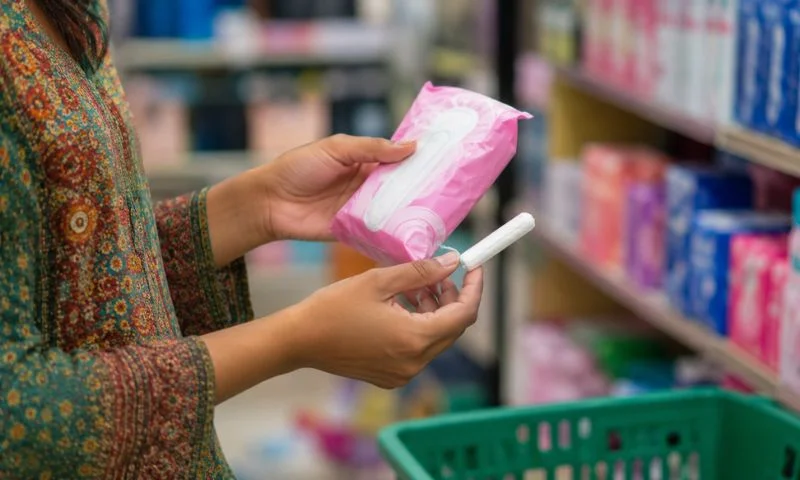
Pakistan Ends Taxes on Sanitary Pads and Contraceptives, Netizens React
Finance Minister Muhammad Aurangzeb unveiled Pakistan’s 2026-27 budget on Friday. Among the many fiscal measures, two announcements quickly captured public attention. The government will remove taxes on sanitary pads and contraceptives from the next fiscal year. Many women, health advocates and social media users welcomed the move. They described it as a major step toward making essential health products more affordable. In Budget 2026-27, sanitary pads and tampons have been made tax-free, reducing financial burden and making essential products more accessible for women across Pakistan. A practical move for a more inclusive society.#BudgetForPakistan #عوام_دوست_بجٹ pic.twitter.com/tC2ajoZKdF — Madiha Abid Ali (@MadihaAbidAli) June 12, 2026 The tax changes will take effect on July 1, when the new fiscal year begins. Supporters say the decision could lower costs for millions of women and families across Pakistan. A Long-Awaited Change for Women’s Health The decision to remove taxes on sanitary pads triggered widespread praise online. Many users argued that menstrual hygiene products are basic necessities, not luxury goods. One social media user noted that Pakistan is set to join a small group of countries that do not tax menstrual hygiene products. Around the world, campaigners have urged governments to abolish what they call the “tampon tax.” They argue that women should not pay extra taxes on products they need every month. Budget 2026-27 has abolished the 18% tax on sanitary pads for women, also know as the pink tax, joining a list of only 17 other countries to have completely abolished such a tax. https://t.co/E3KhsyqiCA — Zehra Farooq (@ZehraFarooq) June 12, 2026 Many users also described the previous tax policy as “ridiculous.” They welcomed the government’s decision to scrap the levy. The announcement also renewed focus on activists who pushed for change. Women’s rights advocate Mahnoor Omer filed a petition in the Lahore High Court in September. She challenged the taxation of menstrual hygiene products and called for policy reform. Her campaign gained international recognition. TIME later included her on its Women of the Year list. Pakistan govt has officially proposed a complete removal of taxes on sanitary pads. Finance Minister Aurangzeb announced the abolition in his budget speech. Congratulations to Mahnoor Omer & the entire team working on this! #periodTax was discriminatory & I’m glad it’s over! — Saqib Jamil (@saqibjamil88) June 12, 2026 In Karachi, activist Alishba Shabbir filed a similar petition in the Sindh High Court in November. Her legal challenge added momentum to the growing campaign. Health advocates say lower prices can help tackle period poverty. They also believe affordable products can improve menstrual health for women and girls from low-income households. Contraceptives and Population Concerns The government also removed taxes on contraceptives. Public health experts welcomed the decision and said it could improve access to family planning products. However, some observers questioned how much impact the move would have on its own. Several social media users argued that lower prices alone will not increase contraceptive use. They pointed to cultural attitudes, social stigma and limited awareness as major barriers. These factors continue to influence family planning decisions across Pakistan. People don’t not buy contraceptives because of GST. They don’t buy them because it’s an extra expense, or just because they don’t believe in the concept. Does anyone truly believe this is going to increase acceptance and increase sales amongst the masses? https://t.co/reu4JTFSzX — 🇵🇸 Imperial Marcher 🇵🇸 (@ST_Incognito) June 12, 2026 Pakistan remains one of the world’s fastest-growing countries by population. According to the United Nations Population Fund (UNFPA), wider access to contraceptives can improve maternal health, reduce unintended pregnancies and support sustainable development. The budget measure arrives as policymakers face growing pressure to improve healthcare access. They must also address economic and social challenges that affect millions of citizens. While debate continues over the long-term impact, the announcement earned praise across political and social groups. For many women, the decision represents more than tax relief. It signals greater recognition of menstrual health as an important public policy issue.
