

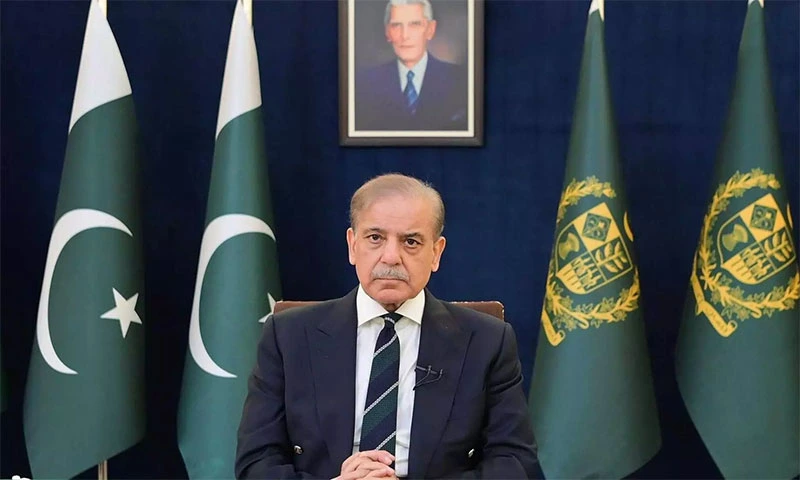
Pakistan on Monday extended its nationwide austerity drive and fuel conservation measures until June 13 as uncertainty surrounding the Middle East conflict continues to pressure global oil markets. The Cabinet Division issued a formal notification after Shehbaz Sharif approved the extension on the recommendations of the implementation committee. According to the notification, the government will continue a 50% reduction in fuel supply for official vehicles during the extended period. In addition, authorities decided to keep 60% of official government vehicles off the roads under the ongoing austerity plan. The federal government first introduced the emergency measures on March 9 after petrol and diesel prices rose sharply across the country. At the time, Pakistan faced mounting pressure from disruptions in global oil supplies linked to tensions in the Middle East. Fuel prices surged after Iran closed the Strait of Hormuz in response to joint attacks launched by the United States and Israel on February 28. The conflict later ended on April 8 following a Pakistan-mediated ceasefire. However, diplomatic efforts to reach a permanent settlement remain stalled. Four-day workweek and travel restrictions continue During his March 9 televised address, Prime Minister Shehbaz said the wider region had become deeply affected by the Middle East conflict. He stressed that Pakistan was also pursuing diplomatic efforts to help ease tensions and stabilise the situation. The austerity measures apply to federal ministries, government departments, autonomous institutions, state-owned enterprises, the legislature, defence organisations and the judiciary. Apart from fuel reductions, the government also introduced a four-day workweek for public offices. However, essential services and the banking sector remained exempt. Authorities further instructed federal and provincial departments to reduce non-essential expenditure by 20% during the final quarter of the fiscal year. Meanwhile, the government maintained restrictions on official foreign visits by ministers, parliamentarians and government officials except for mandatory trips. The plan also requires up to 50% of government employees to work from home on alternate days, excluding workers involved in essential services. Officials must continue travelling in economy class, while departments are encouraged to hold virtual meetings instead of physical gatherings to reduce costs. Oil market uncertainty keeps pressure on Pakistan Pakistan imports a significant portion of its oil and liquefied natural gas requirements, making the country highly vulnerable to supply disruptions and rising global energy prices. Although the ceasefire between Iran and Israel remains in place, tensions continue over proposals concerning the future status of the Strait of Hormuz. The waterway handles a major share of global oil shipments and remains one of the world’s most strategically important energy routes. Energy analysts say prolonged uncertainty in the Gulf region could continue affecting fuel prices and inflation across oil-importing countries, including Pakistan. The government hopes the austerity measures will reduce fuel consumption, limit public spending and ease pressure on foreign exchange reserves during the ongoing uncertainty. Officials have not indicated whether the measures could continue beyond June 13 if tensions in the Middle East remain unresolved.

From Zero to Dollars: Freelancing Guide for Pakistanis
Freelancing in Pakistan is rapidly emerging as one of the most accessible and high-potential income streams, especially for students, young professionals, and remote workers seeking global opportunities. With minimal startup costs and growing demand for digital services, freelancing is no longer considered a side hustle but a full-fledged career option. Experts say that with just a laptop, internet connection, and a marketable skill, anyone in Pakistan can tap into international markets and earn in foreign currency. Getting Started: Skills Come First The first step toward freelancing is choosing a skill that is in demand. According to industry insights, popular freelancing skills include web development, graphic design, content writing, digital marketing, and virtual assistance. Experts emphasize specialization over generalization, as clients prefer professionals who excel in a specific niche rather than offering multiple low-quality services. Beginners are advised to focus on one skill and spend at least a few weeks learning and practicing it using free resources such as YouTube, DigiSkills, and online courses. Platforms That Open Global Opportunities Once a skill is developed, freelancers can register on international platforms such as Upwork and Fiverr to connect with clients worldwide. These platforms allow freelancers to offer services on both hourly and project-based models, with Fiverr being considered more beginner-friendly due to its “gig” system. “Choosing the right platform is what defines success in freelancing,” the guide notes. Payments and Financial Setup Receiving payments remains one of the key challenges for Pakistani freelancers, but several reliable solutions are available. Payoneer and Wise are among the most commonly used platforms, allowing freelancers to receive international payments and transfer funds to local bank accounts. Local options such as JazzCash integration and direct bank transfers have further simplified the process. Experts also stress the importance of legal compliance. Freelancers must register for a National Tax Number through the FBR system and declare freelancing as their source of income. “For international clients, a 1% tax applies, reduced to 0.25% with PSEB registration,” the guide explains. Earnings Potential and Growth Freelancing income varies based on skill level and experience. Beginners may earn between Rs20,000 to Rs80,000 within the first few months, while experienced freelancers can generate over Rs300,000 monthly. Pakistan is currently ranked among the top freelancing countries globally, with freelancers contributing significantly to foreign exchange earnings. Role of AI and Future Trends The rise of artificial intelligence is reshaping freelancing, making it easier for beginners to compete globally. Tools such as ChatGPT, Canva AI, and automated design platforms are helping freelancers deliver faster and more efficient work. Experts believe that freelancers who adopt AI tools early will have a competitive advantage in the evolving digital economy. Challenges and Reality Check Despite its potential, freelancing is not an instant success path. Experts warn that it may take weeks or months to secure the first client, requiring patience and consistency. Freelancers must also maintain communication with clients, avoid plagiarism, and continuously upgrade their skills to stay competitive. A Growing Digital Economy With increasing internet penetration, a young population, and rising global demand for remote work, Pakistan’s freelancing sector is expected to grow further in 2026. Industry experts say freelancing offers not only financial independence but also the flexibility to work from anywhere.
