

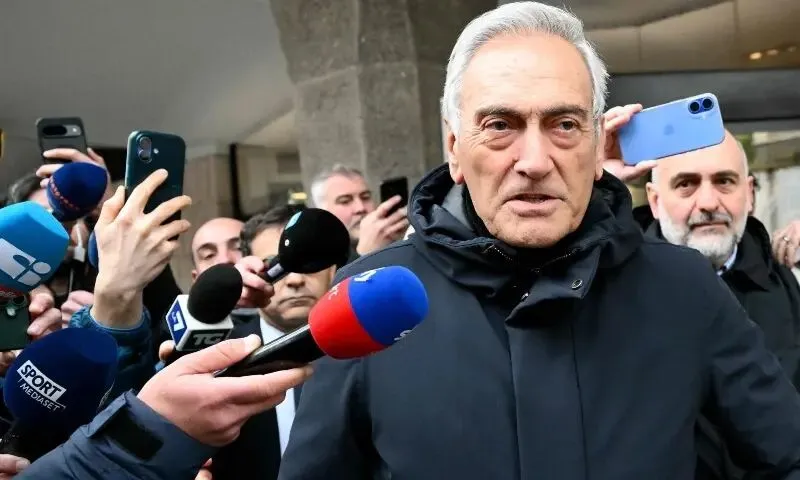
The head of Italy’s football federation has stepped down following the national team’s latest World Cup qualification failure, marking a major turning point for one of the world’s most successful football nations. Italian Football Federation president Gabriele Gravina resigned after Italy failed to qualify for the FIFA World Cup for a third consecutive time, triggering widespread criticism and calls for reform. Resignation Follows Historic World Cup Failure Italy, a four-time world champion, suffered a shock elimination in the qualification playoffs after losing on penalties to Bosnia and Herzegovina. The defeat confirmed that Italy will miss yet another World Cup, extending a historic decline for a nation that last played in the tournament in 2014. Gravina stepped down shortly after the loss, reversing his earlier stance to remain in position until a scheduled board meeting. “After many years there is a feeling of great bitterness, but great serenity,” he said, explaining his decision to resign after careful consideration. Political Pressure and Public Outrage Build The resignation came after strong pressure from the Italian government, with Sports Minister Andrea Abodi openly calling for leadership change. “It’s clear that Italian football needs to be rebuilt from the ground up,” Abodi said, reflecting growing frustration over repeated failures. Fans and political figures alike criticised the federation, with some calling the situation an “unacceptable disgrace” and demanding a complete overhaul of the system. The defeat has triggered what many describe as a national crisis in Italian football. Read More: Italy Knocked Out Again: Miss Third Straight World Cup After Penalty Shock A Decline Despite Past Success Gravina had been in charge since 2018 and oversaw Italy’s triumph at Euro 2020, one of the highlights of his tenure. However, that success has been overshadowed by repeated failures to qualify for the World Cup, raising questions about structural issues in Italian football. Italy has not won a World Cup match since lifting the trophy in 2006 and has struggled to maintain its dominance on the global stage. Experts point to problems such as: Weak youth development systems Overreliance on foreign players in domestic leagues Outdated infrastructure Crisis Deepens With More Resignations The fallout from the World Cup failure has extended beyond the federation chief. Legendary goalkeeper Gianluigi Buffon also resigned from his role as head of delegation, citing responsibility for the team’s failure. Reports suggest that national team coach Gennaro Gattuso could also step down, as pressure mounts for sweeping changes across the system. This wave of exits highlights the scale of the crisis facing Italian football. Future Uncertain as Rebuild Begins The federation will now hold an extraordinary assembly to elect a new president, with major decisions expected on leadership and strategy. Italy is also facing additional pressure from UEFA over infrastructure concerns, with warnings that it could lose hosting rights for Euro 2032 if stadium upgrades are not completed in time. Experts say the country must act quickly to rebuild its football system and restore its international standing. Read More: FIFA World Cup 2026 at Risk Amid Escalating US–Iran Conflict A National Wake-Up Call Italy’s latest World Cup failure is being seen as more than just a sporting setback. It represents a broader decline in a footballing system that once dominated the world stage. For a country where football is deeply tied to national identity, the absence from three consecutive World Cups has become a defining crisis. The resignation of the federation chief may be the first step in a long and difficult rebuilding process.
Italy Knocked Out Again: Miss Third Straight World Cup After Penalty Shock
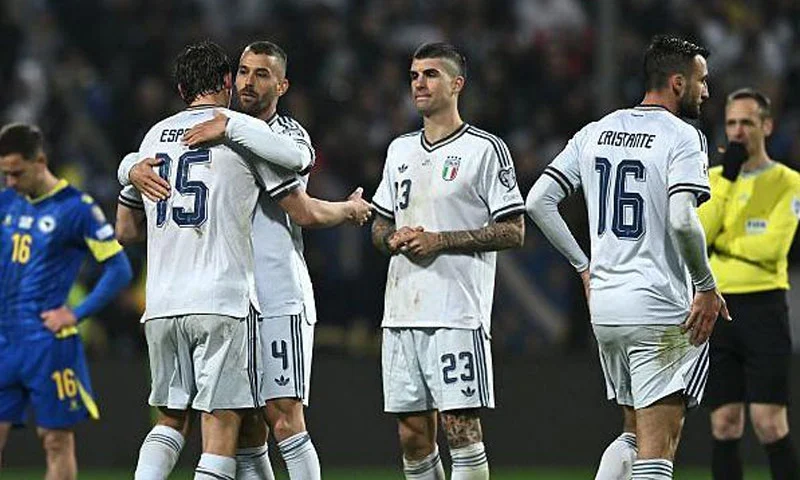
Italy’s World Cup nightmare continues as the four-time champions failed to qualify for a third consecutive tournament, losing to Bosnia and Herzegovina on penalties in a dramatic European play-off clash. The defeat marks one of the darkest chapters in Italian football history, extending a shocking run of absences from the world’s biggest tournament. Heartbreak in the Play-Off Final The match ended level after regular and extra time, forcing the contest into a tense penalty shootout where Bosnia held their nerve to secure qualification. Italy, who dominated large spells of the game, were unable to convert their chances into a decisive lead. Their failure in front of goal ultimately proved costly as the tie slipped into penalties. In the shootout, Bosnia were clinical, while Italy faltered under pressure, missing crucial spot-kicks that sealed their fate. Historic Low for Italy This result means Italy will miss the World Cup for the third consecutive time, a situation almost unimaginable for a nation with such a rich footballing legacy. The Azzurri last lifted the World Cup in 2006, but since then, their fortunes have declined sharply: Failed to qualify for 2018 World Cup Missed out again in 2022 Now eliminated from 2026 qualification The latest setback raises serious questions about the direction of Italian football and its ability to rebuild at the highest level. Bosnia Celebrate Historic Qualification For Bosnia and Herzegovina, the victory represents a historic achievement. Winning under immense pressure, the team displayed composure and resilience throughout the match and especially during the penalty shootout. Their qualification adds another milestone to their football journey and highlights the growing competitiveness of European football. Reaction and Fallout The defeat has triggered widespread criticism in Italy, with fans and analysts questioning team selection, tactics, and overall management. Italy’s struggles in major qualifiers have often been linked to: Lack of consistency in squad development Tactical uncertainty Over-reliance on aging players Football experts believe structural changes may now be necessary to revive the national team. Italy’s absence will be a major talking point heading into the World Cup, as one of the sport’s most historic teams will once again be missing from the global stage. At the same time, Bosnia’s qualification reflects a shift in European football, where emerging teams are increasingly capable of challenging traditional giants.
