

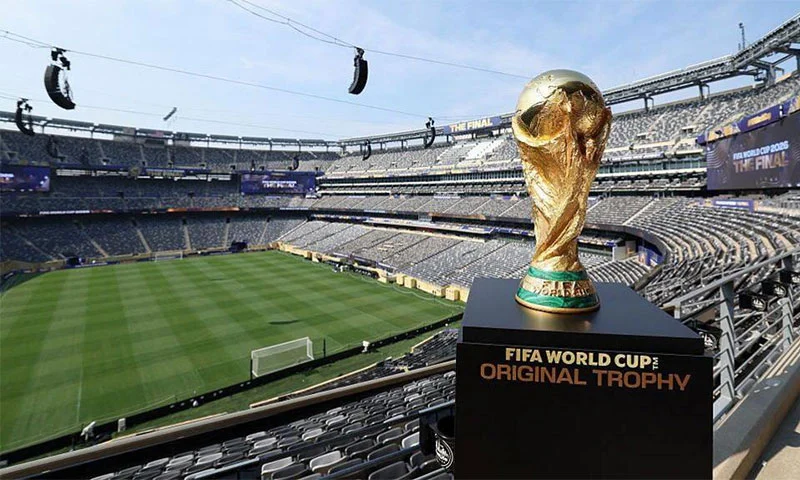
FIFA has unveiled its fan-selected World Cup 2026 Dream XI, with champions Spain placing three players in the 4-3-3 lineup. France also earned three places, while runners-up Argentina supplied two players. Spain defeated Argentina 1-0 after extra time to win its second world title. FIFA said supporters worldwide chose the team following the tournament across Canada, Mexico and the United States. Its official rules state: “The final Dream XI is based on fan votes and is confirmed by FIFA.” Messi, Mbappe and Rodri Headline Dream XI Cape Verde goalkeeper Vozinha claimed the place in goal after heroic displays during his country’s historic debut campaign. The defence features Spain full-backs Marc Cucurella and Pedro Porro, France centre-back Dayot Upamecano and Argentina defender Lisandro Martinez. Read More: FIFA Reveals Stunning Numbers Behind World Cup 2026 Spain captain Rodri anchors the midfield after playing a decisive role in La Roja’s title triumph. England’s Jude Bellingham and France’s Michael Olise join him. Bellingham scored seven goals, the highest total by an England player in one World Cup. Olise registered seven assists and broke Pele’s record for the most assists in a single edition. View this post on Instagram A post shared by FIFA World Cup (@fifaworldcup) The forward line contains Argentina captain Lionel Messi, France star Kylian Mbappe and Norway striker Erling Haaland. Messi, aged 39, scored eight goals and provided four assists as he carried Argentina to another final. Mbappe won the Golden Boot with 10 goals and became the World Cup’s all-time leading scorer with 22. Haaland struck seven times during Norway’s first World Cup appearance in nearly three decades. His goals marked an exceptional debut for a nation absent from the tournament for more than 20 years. Read More: Messi Effect? FIFA World Cup Final Tickets Break US Record The final list includes players from six nations: Spain, France, Argentina, England, Norway and Cape Verde. Although some early reports described seven nations, the named XI represents six. Cubarsi and Unai Simon Absences Raise Questions The selection quickly sparked debate because voters overlooked two major figures from Spain’s dominant defence. Pau Cubarsi missed out despite winning the FIFA Young Player Award. Spain conceded only one goal during eight matches, the fewest ever by a World Cup-winning team. Tournament figures also credited Spain with allowing only 10 shots on target. Golden Glove winner Unai Simon also failed to make the team after recording seven clean sheets, a World Cup record. Fans questioned whether those numbers should have placed him ahead of Vozinha. Vozinha still presented a strong case because his individual brilliance powered Cape Verde’s remarkable campaign. However, Spain’s defensive dominance strengthened the argument for Simon. Read More: Spain Breaks Messi’s Heart to Win the 2026 FIFA World Cup Supporters also questioned whether Cubarsi or Aymeric Laporte deserved a place ahead of Upamecano or Martinez. Both selected centre-backs delivered excellent tournaments, but Spain’s collective defensive record remained unmatched. Ultimately, FIFA’s Dream XI rewarded individual impact and global fan support. Yet the absence of Cubarsi and Simon left many wondering whether the vote underrepresented the newly crowned champions.
FIFA Reveals Stunning Numbers Behind World Cup 2026
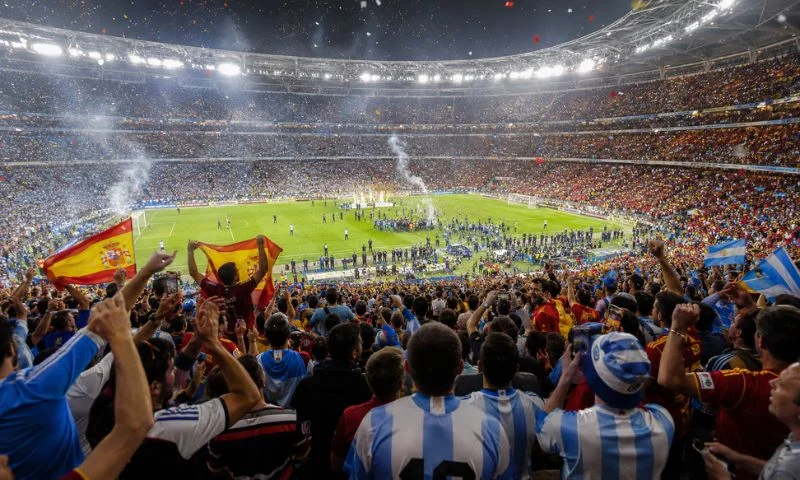
The 2026 FIFA World Cup rewrote football history after setting new records for attendance, television audiences and digital engagement. The first 48 team tournament attracted millions of fans across the United States, Canada and Mexico and surpassed FIFA’s own expectations. FIFA President Gianni Infantino praised the success of the expanded tournament. He acknowledged that the larger format helped produce the record numbers. Speaking before the final weekend, Infantino said, “this is the largest World Cup in history by far, by many times, actually, welcoming 16 additional teams.” “But,” he added, “it has exceeded all expectations.” The tournament featured 104 matches, compared with 64 in Qatar in 2022. Before the final weekend, FIFA confirmed that more than 6.6 million fans had entered stadiums. After Spain beat Argentina 1 to 0 in extra time to win the title, media estimates placed total attendance at about 6.81 million. FIFA has not yet released the official final figure. The tournament also broke the previous attendance record of 3,587,538 spectators, set during the 1994 World Cup in the United States. Fans almost filled every seat throughout the competition. FIFA said stadiums operated at a record 99.7 percent capacity despite criticism over expensive ticket prices. Average attendance reached 65,351 spectators per match. The tournament crossed the five million spectator mark during the Round of 32 match between France and Sweden. TV Viewership and Online Engagement Hit New Highs FIFA also celebrated record television audiences around the world. “TV viewership records were shattered, both in the host countries and across the globe,” the governing body said. FIFA has not released detailed audience figures. However, US President Donald Trump claimed the tournament attracted “nearly six billion viewers.” Read More: Spain Rewrites Football History by Winning Both Men and Women FIFA Titles The previous record belonged to the 2022 World Cup final between Argentina and France. That match drew about 1.5 billion viewers worldwide. FIFA expects the 2026 final to surpass that figure once the official numbers become available. The tournament also dominated digital platforms. FIFA estimated that 5.2 billion people had engaged with the competition by the end of the Round of 16. That figure represents nearly two thirds of the world’s population. Fans interacted through television, websites, apps and social media. Record Revenue Strengthens Expansion Plans The tournament generated record commercial returns alongside its huge audiences. Before the event, FIFA projected revenue of more than €7 billion, or about $8 billion, for 2026. That represents a 56 percent increase compared with the 2022 World Cup. FIFA also expected television rights revenue to climb 34 percent to nearly $4 billion. Sponsorship income was forecast to rise by 21 percent. FIFA planned to spend $3.7 billion on the tournament. It allocated one quarter of that amount to participating national teams and clubs that released players. The governing body increased the total prize fund by 15 percent to $871 million in April. Spain collected $50 million after winning the title, while every participating nation received at least $12.5 million. Read More: Messi Effect? FIFA World Cup Final Tickets Break US Record The expanded tournament also revived discussion about another increase in participating teams. Earlier this summer, Infantino said, “we have had discussions about expanding to 64 teams” for the 2030 World Cup. The centenary tournament will take place in Spain, Portugal and Morocco, with opening matches in Paraguay, Uruguay and Argentina. He added, “this matter has been submitted to the FIFA Council.”
Messi Loses World Cup Record as Mbappe Hits Historic 22nd Goal
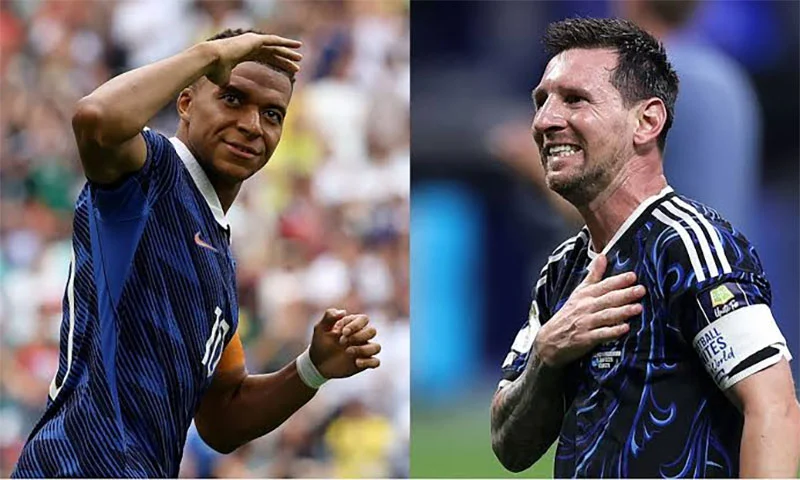
Kylian Mbappe became the highest scorer in FIFA World Cup history on Saturday, but the historic milestone came in a losing cause as France fell 6-4 to England in a thrilling third-place playoff in Miami Gardens, Florida. The French captain scored twice in the second half to take his World Cup tally to 22 goals, moving one ahead of Argentina legend Lionel Messi. However, France’s spirited comeback from a 4-0 halftime deficit fell short as England secured the bronze medal in one of the highest-scoring matches in World Cup history. Read More: Spain or Argentina: What’s Really at Stake in the World Cup Final? Mbappe Sets New Record but Misses the Final Mbappe found the net in the 48th and 66th minutes, breaking the all-time World Cup scoring record that Messi had held with 21 goals. The Real Madrid forward has now scored 22 World Cup goals across three tournaments, including four in 2018, eight in 2022 and 10 in the 2026 edition. Despite reaching another historic landmark, Mbappe admitted the personal achievement offered little comfort after France missed out on the World Cup final. “I’m just trying to help my team score every time,” Mbappe said after the match. “It’s for sure that when you score that many goals in the World Cup, it elevates you to certain levels but I would have liked to not be the top scorer in history and play tomorrow’s (championship) match.” “So, I think it’s good for legacy and when we stop (playing) to say that I was one of those players. But today, it’s not the first thing crossing my mind.” Read More: Messi Effect? FIFA World Cup Final Tickets Break US Record The 27-year-old’s latest achievement adds another chapter to an already remarkable World Cup career. He lifted the trophy with France in 2018 and scored a memorable hat trick in the 2022 final, although Argentina eventually won that match on penalties. Golden Boot Race Still Open Before Final Mbappe’s brace also strengthened his grip on the Golden Boot race. He now leads the tournament with 10 goals, two ahead of Messi, who has eight entering Sunday’s World Cup final against Spain. The final in East Rutherford, New Jersey, gives Messi one last opportunity to close the gap in both the Golden Boot standings and the all-time World Cup scoring chart. A hat trick would see the Argentine reclaim both records. Mbappe also became the first player to score 10 goals in a single World Cup since West Germany legend Gerd Muller achieved the feat in 1970. Read More: FIFA’s Ultimate Prize Gets a Luxury Louis Vuitton Journey France’s record-setting striker was overshadowed by England’s Bukayo Saka, who scored a hat trick as the Three Lions raced into a 4-0 halftime lead. France mounted an impressive second-half rally through Mbappe, Bradley Barcola and Ousmane Dembele, but Jude Bellingham’s stoppage-time goal sealed England’s 6-4 victory. Although Mbappe leaves the tournament without a medal of the color France wanted, he departs having rewritten one of football’s most prestigious records. Whether it stands for long could depend on what Messi produces in the World Cup final.
FIFA’s Ultimate Prize Gets a Luxury Louis Vuitton Journey
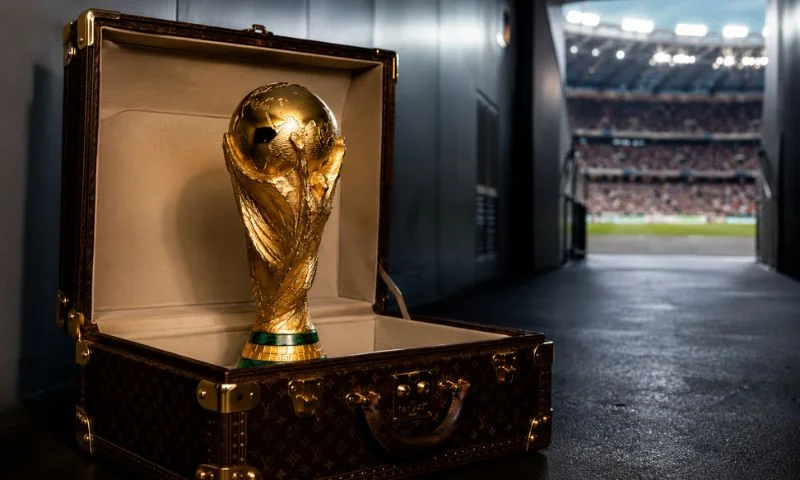
The FIFA World Cup trophy will arrive at New York New Jersey Stadium in a bespoke Louis Vuitton trunk on Sunday. Argentina and Spain will contest the 2026 final. The French luxury house has created the trophy’s official carrying case for a fifth consecutive tournament. It previously produced trunks for the 2010, 2014, 2018 and 2022 World Cups. A Golden V for Victory and Vuitton The new trunk carries Louis Vuitton’s familiar monogram pattern across its exterior. A large golden V covers the front and represents both “Victory” and “Vuitton.” Gold-plated brass protectors reinforce the corners. Beige leather lines the interior, which also features a patch commemorating the partnership between FIFA and Louis Vuitton. “For over a decade, Louis Vuitton and Fifa have shared an unwavering commitment to excellence, bound by a shared belief in sport’s power to inspire and bring people together,” Louis Vuitton Chairman and Chief Executive Pietro Beccari said. The assignment links the company’s trunk-making heritage with one of the most watched events in international sport. The trophy’s arrival also becomes part of the final ceremony. Fifth World Cup Partnership Louis Vuitton first designed a World Cup trophy trunk for the 2010 tournament in South Africa. The company returned for Brazil in 2014, Russia in 2018 and Qatar in 2022. The original trophy normally has a permanent home at the FIFA Museum in Zurich. Museum officials removed it from display for the tournament and expect it to return shortly after the final. Only selected people may touch the original trophy, including former World Cup winners and heads of state. Winning teams receive a tournament edition rather than permanent ownership of the original prize. The trunk’s journey will conclude before Argentina face Spain on July 19 in East Rutherford, New Jersey. Argentina seek a second straight title, while Spain are chasing their second World Cup victory. FIFA President Gianni Infantino has said US President Donald Trump will help present the trophy after the match. Luxury Brands Strengthen Sports Links Louis Vuitton’s FIFA partnership forms part of a broader relationship between luxury brands and professional sport. The company also crafts bespoke trophy trunks for major Formula 1 Grands Prix. That work falls under a 10-year agreement with the motorsport championship. Tiffany & Co. has made the prize awarded to the Super Bowl champion since the first edition in 1967. The trophy later became known as the Vince Lombardi Trophy. For Louis Vuitton, the World Cup project carries special prestige because FIFA has only one original trophy for its four-year showpiece. The case must protect the prize while presenting it as a symbol of victory. Its monogram canvas, leather lining and gold details combine Louis Vuitton’s travel heritage with FIFA’s biggest stage. Once the trunk reaches the stadium, attention will shift to the contest for the trophy inside. Argentina and Spain will decide who lifts it before an expected crowd of about 80,000.
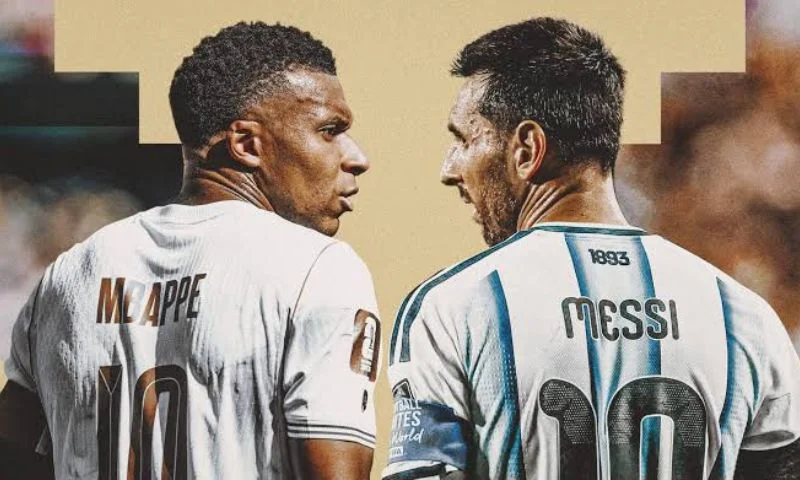
Messi Takes Golden Boot Lead Over Mbappé Before Final
Lionel Messi moved ahead of Kylian Mbappé in the 2026 World Cup Golden Boot race after inspiring Argentina’s dramatic 2-1 semifinal victory over England in Atlanta. The two stars entered the semifinals level on eight goals. Messi did not score on Wednesday, but his two late assists lifted him above the France captain under FIFA’s tiebreak rules. Argentina will face Spain in Sunday’s final in East Rutherford, New Jersey. France meet England in Saturday’s third-place playoff in Miami Gardens, giving both players one final chance to claim the award. Messi moves ahead through assists FIFA awards the Golden Boot to the tournament’s leading scorer. When players finish level on goals, assists serve as the first tiebreaker, followed by fewer minutes played. Messi now has eight goals and four assists. Updated tournament standings place Mbappé on eight goals and three assists, meaning the Argentine captain currently holds the advantage. The shift came during a remarkable late comeback against England. Anthony Gordon put the Three Lions ahead in the 55th minute after a scoreless and physical first half. England manager Thomas Tuchel had said, “We will stop Messi,” before the semifinal. His side contained the 39-year-old for long periods, but Messi found space when Argentina needed him most. In the 85th minute, he moved from the right and found Enzo Fernández, who struck Argentina’s equaliser. Seven minutes later, Messi kept a loose ball alive before delivering the cross for Lautaro Martínez’s winning header. Golden Boot race reaches final weekend Erling Haaland remains third with seven goals, although Norway’s quarterfinal exit ended his challenge. England’s Harry Kane and Jude Bellingham have six goals each. France winger Ousmane Dembélé and Spain forward Mikel Oyarzabal have scored five apiece. Their totals keep the race mathematically open, but Messi and Mbappé remain firmly in control. Mbappé, the 2022 Golden Boot winner, can regain the lead against England. Messi then gets the final opportunity when defending champions Argentina meet Spain. A goal for either player could settle the race immediately. If both remain scoreless, Messi’s assist advantage would leave him in position to win his first World Cup Golden Boot. Messi changes the game without scoring Messi has played every minute of Argentina’s four knockout matches. Rather than covering every area, he has conserved energy, selected his moments and used movement and passing to decide games. He stayed quiet during much of the first half against England. After Gordon’s goal, he became more involved between central areas and the right flank as Argentina increased the pressure. His two assists raised his career World Cup total to 12, alongside a record 21 goals. The display again showed why Argentina remain dangerous even when their captain does not score. Argentina are now one victory from retaining the trophy. Messi’s creativity, timing and ability to influence decisive moments could shape both the final and the Golden Boot race.
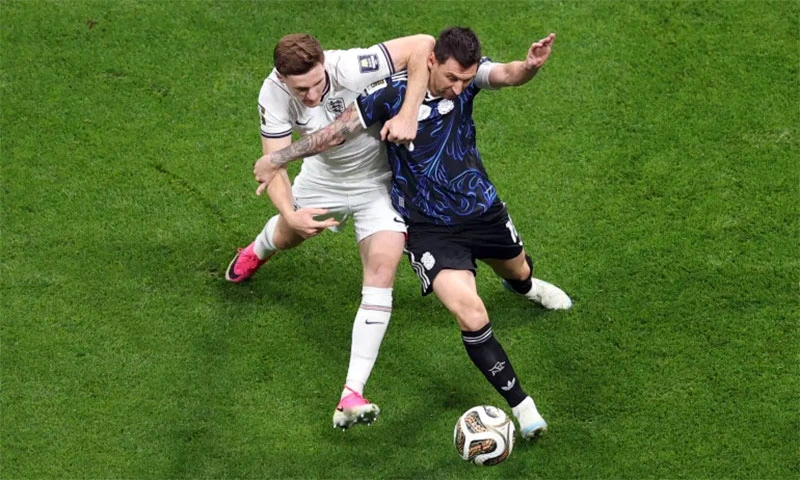
Messi’s Magic Sends Argentina Past England Into World Cup Final
Argentina produced a stunning late comeback to defeat England 2-1 in the FIFA World Cup semi-final on Wednesday, booking a place in Sunday’s final against Spain and keeping alive their hopes of winning back to back world titles. Lionel Scaloni’s side appeared headed for defeat after Anthony Gordon gave England the lead in the second half. However, Argentina launched a relentless late assault as Enzo Fernandez equalised in the 85th minute before substitute Lautaro Martinez headed home a dramatic winner in stoppage time. Read More: Why a 64 Team World Cup Could Become Reality in 2030 Lionel Messi played a decisive role in both goals. The 39 year old captain provided the pass for Fernandez’s equaliser before recovering the ball moments later and delivering a perfect cross for Martinez to complete the comeback. The result sends the defending champions into another World Cup final, where they will meet Spain, who defeated France 2-0 in the other semi-final. England fall after Gordon opener as Argentina finish strongly The highly anticipated semi-final between two of football’s fiercest rivals lived up to expectations, with both teams battling intensely throughout a tense contest at Atlanta’s Mercedes-Benz Stadium. England looked on course for their first World Cup final since lifting the trophy in 1966 after Anthony Gordon opened the scoring in the 55th minute. C’est toujours à la 86ieme minute. England vs Argentina pic.twitter.com/VI7I9K7ImM— 🇨🇩✌️#𝐓𝐎𝐔𝐓_𝐃É𝐕𝐎𝐈𝐋𝐄𝐑 #Wazalendo🔥 (@tout_devoiler) July 15, 2026 The move started when Nicolas Tagliafico’s attempted clearance fell to Declan Rice. The midfielder released Morgan Rogers, whose cross found Gordon at the back post. Gordon calmly guided the ball past Emiliano Martinez to spark celebrations among England supporters. Argentina, however, refused to surrender. They dominated possession during the closing stages and repeatedly threatened Jordan Pickford’s goal. Their persistence paid off in the 85th minute when Messi found Fernandez on the edge of the penalty area. The Chelsea midfielder fired a powerful 20 metre strike into the corner to level the match. Read More: ICC Unveils New World Cup Formats. Here’s What Will Change Just seven minutes later, Alexis Mac Allister struck the post after another flowing attack. Messi reacted first to the rebound, surged down the right flank and produced an inviting cross that Lautaro Martinez headed home to complete a memorable comeback. “We are truly unique, and that’s not arrogance,” Argentina coach Lionel Scaloni said. “From the bottom of my heart, these players led us to victory. I’m lost for words. A joy for our country, for our people.” Messi moves one step closer to another World Cup title The victory carried extra significance for Messi, who is widely expected to retire from international football after what many believe will be his final World Cup. Argentina’s captain has now guided his country into consecutive World Cup finals after lifting the trophy in Qatar in 2022. England captain Harry Kane struggled to hide his disappointment after watching his team’s dream disappear late in the match. “Just gutted for the boys, gutted for everyone, the team, the staff, the fans,” Kane said. LIONEL MESSI STUNNING ASSIST TO WIN THE GAME FOR ARGENTINA 🤯🐐 https://t.co/4i3txSqcFP— MC (@CrewsMat10) July 15, 2026 “We played a good game for the large majority of it. Once we went 1-0 up, we seemed to just try and hold on. At this level, it’s not enough.” England manager Thomas Tuchel defended his players despite the heartbreaking defeat. “The team gave everything and we were very, very close,” he said. Read More: Meet the Brothers Divided by National Teams at the FIFA World Cup “The team was top, we couldn’t bring it over the line, no, but at the moment no regrets.” Lautaro Martinez described the winning goal as a dream come true. “This is really emotional,” he said. “The first time my dad bought me a pair of boots, I always dreamed of scoring this goal.” Argentina’s supporters created a vibrant atmosphere throughout the evening, turning Atlanta into a sea of sky blue and white as the reigning champions earned another chance to lift football’s biggest prize on Sunday.
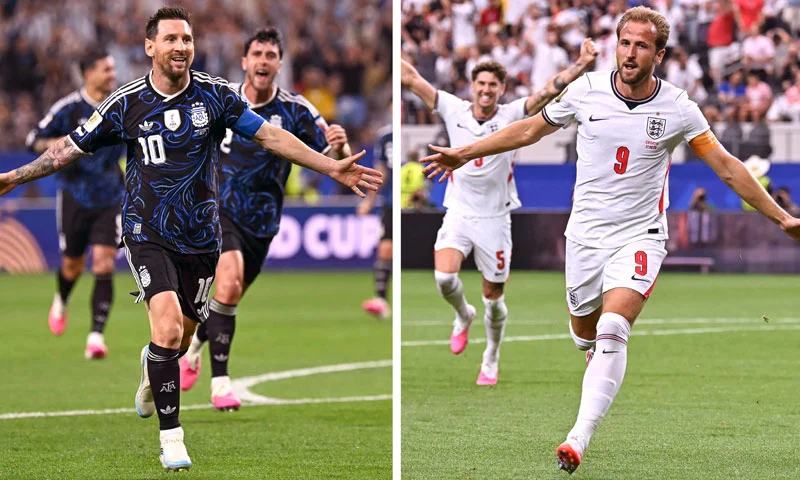
Messi or England? One Step Away From the World Cup Final
Lionel Messi’s Argentina will face England on Wednesday in one of the most anticipated matches of the 2026 FIFA World Cup, with a place in the final against Spain at stake. The semi-final in Atlanta brings together two of football’s biggest rivals in their first competitive meeting since the 2002 World Cup. It also revives one of the sport’s most historic rivalries, shaped by memorable World Cup clashes and the political backdrop of the Falkland Islands, known in Argentina as the Malvinas. Read More: Spain Are One Win Away From Making World Cup History Reigning champions Argentina are chasing history. Lionel Scaloni’s side hopes to become the first team since Brazil in 1962 to retain the World Cup title. The tournament could also mark a remarkable farewell for Lionel Messi, who returned for another World Cup after leading Argentina to glory in Qatar in 2022. The 39 year old captain has once again delivered on the biggest stage. Messi has scored eight goals, tying for the Golden Boot lead, and inspired Argentina through difficult knockout victories over Cape Verde and Egypt. Tuchel confident as England prepare for historic test England enter the match after an impressive tournament under Thomas Tuchel, although the team has often relied on moments of brilliance rather than complete performances. Harry Kane and Jude Bellingham have scored 12 of England’s 13 goals, carrying the Three Lions into another World Cup semi-final. Tuchel insisted his players were embracing the occasion rather than fearing it. “I don’t feel a burden,” he said. “We feel the tension and will be nervous but that is normal.” He added, “What I like is that I feel the players are really competitive, hungry and excited to play this match.” The England manager also confirmed that midfielder Declan Rice had recovered from illness and was fit to start. Argentina coach Lionel Scaloni attempted to keep the focus away from politics despite the historical significance of the fixture. “The reality is this is a football match,” Scaloni said. Read More: Why a 64 Team World Cup Could Become Reality in 2030 “I am not going to mix everything up, especially regarding things that happened so long ago.” He added, “It was a very sad time in our history, and we can’t do much about it. This is a football game, that’s all.” Spain await the winner after ending France’s title hopes Spain booked their place in Sunday’s World Cup final after defeating France 2-0 in Arlington, ending Les Bleus’ hopes of winning a third World Cup title. Mikel Oyarzabal converted a first half penalty before Pedro Porro doubled Spain’s advantage after the break. The victory extended Spain’s remarkable unbeaten run and confirmed their place in the final. Spain coach Luis de la Fuente praised his players after another dominant display. “We started almost four years ago with an idea and we’ve been faithful to that idea and it’s brought us here,” he said. Read More: Experts Say the World Cup Is Being Played in Dangerous Heat He added, “These players deserve everything. Day after day they’ve shown their commitment, their solidarity, their generosity, their talent. They make the difficult look easy.” The winner of Wednesday’s clash between Argentina and England will advance to Sunday’s World Cup final in New Jersey, setting up a blockbuster showdown with Spain. For Messi, it represents another chance to cement his legendary career. For England, it offers the opportunity to reach a first World Cup final since lifting the trophy in 1966.
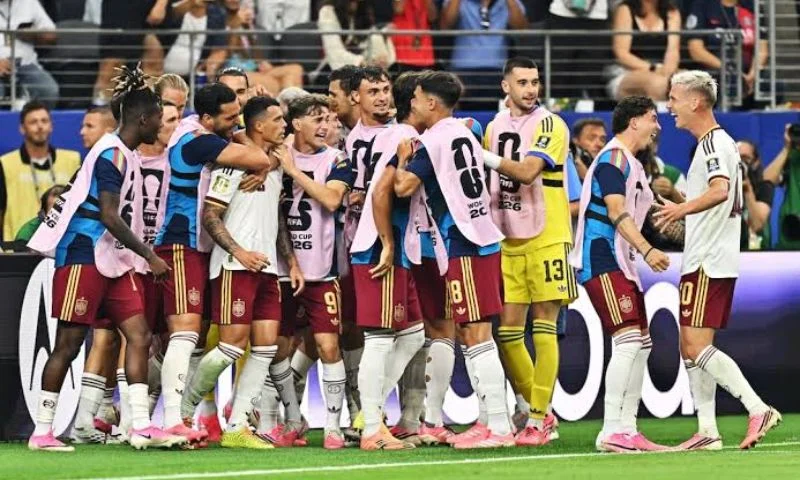
Spain Are One Win Away From Making World Cup History
Spain booked their place in the 2026 FIFA World Cup final with an impressive 2 to 0 victory over France on Tuesday, ending Les Bleus’ hopes of reaching a third consecutive World Cup final and moving within one win of football history. The European champions delivered a disciplined display at Dallas Stadium in Arlington, Texas, combining defensive solidity with clinical finishing to outclass a France side that entered the semi final as one of the tournament favourites. Spain will now face either England or Argentina in Sunday’s final as they chase their second World Cup title after lifting the trophy in 2010. Oyarzabal and Porro seal dominant Spanish win The match turned in Spain’s favour midway through the first half when Salvadoran referee Ivan Barton awarded a penalty after France left back Lucas Digne brought down teenage winger Lamine Yamal inside the box. Mikel Oyarzabal calmly fired the penalty past goalkeeper Mike Maignan for his fifth goal of the tournament, giving Spain a deserved lead after controlling possession and limiting France’s attacking threats. France’s problems deepened moments later when defender William Saliba left the pitch with a recurrence of his lower back injury. Maxence Lacroix replaced the Arsenal centre back, forcing coach Didier Deschamps into an early defensive reshuffle. Spain continued to dominate through Rodri, Fabian Ruiz and Dani Olmo, who repeatedly found space in midfield. France failed to register a single shot on target in the opening half and managed only two attempts before the break. Deschamps introduced Desire Doue in the 57th minute to inject pace into the attack, but Spain struck again just a minute later. Pedro Porro exchanged a quick pass with Dani Olmo before calmly finishing past Maignan to double Spain’s advantage. The French coach responded by bringing on Theo Hernandez and Rayan Cherki after the second hydration break, but Spain’s organised defence refused to give France a route back into the contest. Spain have now conceded only one goal throughout the tournament while keeping six clean sheets in seven matches. Their unbeaten run has stretched to 37 games under coach Luis de la Fuente, equalling Italy’s long standing European record. France left to fight for third place The defeat ended France’s pursuit of a third World Cup title and another appearance in the final after winning the 2018 tournament in Russia and finishing runners up to Argentina in Qatar four years later. Despite boasting stars such as Kylian Mbappe, Ousmane Dembele and Michael Olise, France struggled to create clear chances against Spain’s disciplined defence. After the match, France captain Mbappe admitted his side fell short. He said, “We didn’t play the match we wanted to, neither tactically, nor technically, nor in terms of our overall performance.” France will now play in the third place playoff, the final match in charge for Didier Deschamps before he steps down after 14 years as head coach. Attention now shifts to Wednesday’s second semi final in Atlanta, where England and Argentina will battle for the remaining place in the final. England captain Harry Kane dismissed suggestions that history would influence the clash. He said, “From a player’s point of view it’s us against a great team, who are smart, who are tactical, who know how to buy fouls, know how to slow the game down, like many different teams you come up against throughout your whole career.” The winner will meet an in form Spain side that now stands just 90 minutes away from becoming the first champions of the expanded 48 team FIFA World Cup.
For the First Time, the FIFA World Cup Gets a Perfect Final Four
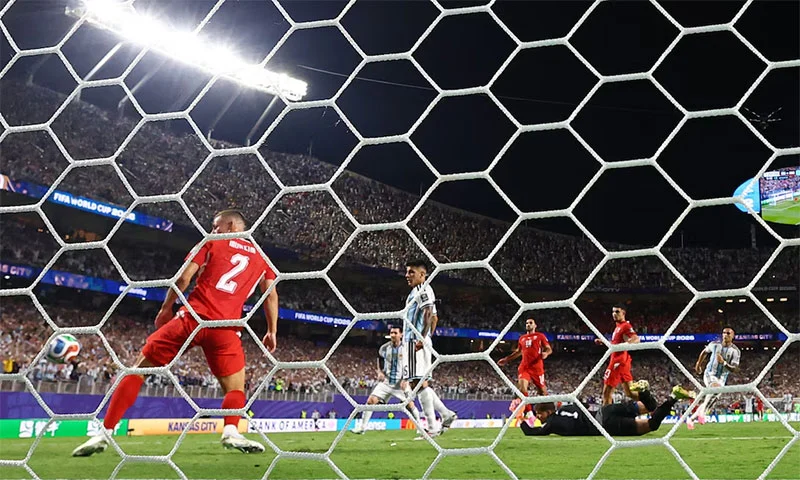
For the first time in FIFA World Cup history, the top four teams in the FIFA world rankings have all reached the semi-finals, with Spain, Argentina, France and England advancing after a tournament format change designed to keep the highest-ranked nations apart until the final stages. Spain, ranked first in the world, will face third-ranked France in Tuesday’s semi-final. Second-ranked Argentina will meet fourth-ranked England on Wednesday. The historic lineup follows a major change introduced by FIFA for the expanded 48-team 2026 World Cup. Before the tournament, FIFA announced that the four highest-ranked teams would be placed in separate pathways of the knockout bracket. The governing body said the move would ensure “competitive balance” by creating “two separate pathways to the semi-finals.” Read More:‘They Wanted Messi’: Egypt Coach Questions Argentina Victory The system meant Spain and Argentina could not meet before the final, while France and England were also separated until at least the semi-finals. However, each team first had to win its group to benefit from the protected pathway. All four successfully topped their groups before progressing through the knockout rounds. Expanded tournament prompted FIFA rethink The adjustment became necessary because the 2026 World Cup expanded from 32 to 48 teams, adding an extra knockout round. Under the previous 32-team format, group winners automatically avoided each other in the Round of 16. Early meetings between top-ranked nations were already uncommon. The new tournament structure created a greater chance that leading teams could meet much earlier in the knockout stage. FIFA responded by introducing a tennis-style seeding system similar to those used at Wimbledon and the UEFA Champions League, where the highest seeds remain separated until the later rounds. Read More: Experts Say the World Cup Is Being Played in Dangerous Heat FIFA explained that the new draw procedure aimed to maintain competitive balance while preserving the possibility of blockbuster matches in the closing stages of the tournament. The governing body had already tested a similar approach during the FIFA Club World Cup, although not every top seed reached the semi-finals. History made after decades of surprises The achievement is particularly notable because several highly ranked teams have suffered early exits in previous World Cups. Belgium entered the 2022 tournament among the world’s top four but failed to reach the knockout stage. Germany exited in the group phase in 2018 despite being one of the highest-ranked teams. Spain suffered the same fate in 2014, Italy in 2010 and France in 2002. Since FIFA introduced its men’s world rankings in 1994, no World Cup has previously produced a semi-final lineup featuring all four highest-ranked teams. Read More: Lionel Messi Makes World Cup History, Scores in 7 Straight Games This year, however, FIFA’s revised draw system combined with strong performances from the tournament favorites to produce exactly the outcome the governing body envisioned. Spain, Argentina, France and England now stand one victory away from the final, guaranteeing that the 2026 World Cup will conclude with one of the world’s top-ranked teams lifting football’s biggest prize.
Mbappé Overtakes Messi Without Scoring More Goals
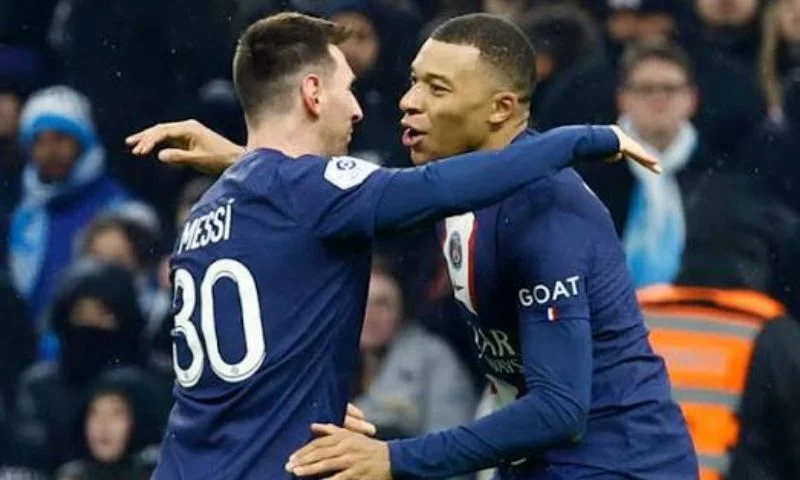
Kylian Mbappé climbed to the top of the 2026 FIFA World Cup Golden Boot standings after scoring his eighth goal in France’s 2-0 quarter-final win over Morocco. The France captain now shares the tournament lead with Lionel Messi on eight goals. However, FIFA ranks Mbappé first because he has more assists. He has three assists, while Messi has one. FIFA uses assists as the first tiebreaker. If players remain level, it considers total minutes played. France secured their semi-final place with a commanding performance at Boston Stadium. Mbappé broke the deadlock in the 60th minute. Ousmane Dembélé doubled the lead six minutes later. Didier Deschamps’ side will now face either Spain or Belgium in Arlington, Texas. Mbappé has contributed directly to 11 goals at this World Cup. He has scored eight times and created three more. Messi has eight goals and one assist, giving him nine direct goal contributions. The French forward also reached another major milestone. His latest strike took his World Cup tally to 20 goals in only 20 appearances. He now sits just one goal behind Messi’s all time World Cup record of 21 goals. Mbappé has also scored 64 goals in 104 international matches for France. Reuters confirmed the milestone after Friday’s victory. Mbappé responds after first half penalty miss France controlled the match from the opening whistle. They created several chances but failed to score before the break. Mbappé earned a penalty after Noussair Mazraoui fouled him inside the box. Officials reviewed the challenge through VAR before confirming the decision. Goalkeeper Yassine Bounou then saved Mbappé’s penalty to keep Morocco level. France finally found the breakthrough on the hour mark. Mbappé curled a superb right footed shot into the net from outside the penalty area. Dembélé then made it 2-0 in the 66th minute with a calm finish after driving forward from midfield. Morocco entered the match as African champions after an impressive tournament. However, France gave them very little space. The Moroccan side managed only one shot on target. Azzedine Ounahi forced Mike Maignan into a comfortable save from a free kick in the 83rd minute. France’s disciplined display earned another deserved victory. Reuters reported that Deschamps’ team has now reached a third straight World Cup semi-final. Golden Boot race set for dramatic finish The Golden Boot battle could go down to the final days of the tournament. Mbappé and Messi both have eight goals. Yet the French star currently leads because FIFA gives priority to assists before any other tiebreaker. Only if goals and assists remain equal will FIFA compare minutes played. France will now prepare for a semi-final against Spain or Belgium. Mbappé also has another chance to extend his Golden Boot lead. He could also equal or surpass Messi’s World Cup scoring record before the tournament ends.
