

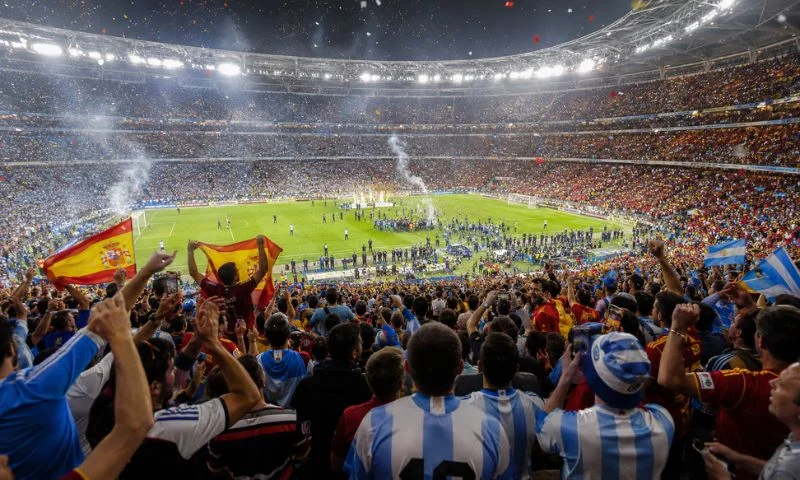
The 2026 FIFA World Cup rewrote football history after setting new records for attendance, television audiences and digital engagement. The first 48 team tournament attracted millions of fans across the United States, Canada and Mexico and surpassed FIFA’s own expectations. FIFA President Gianni Infantino praised the success of the expanded tournament. He acknowledged that the larger format helped produce the record numbers. Speaking before the final weekend, Infantino said, “this is the largest World Cup in history by far, by many times, actually, welcoming 16 additional teams.” “But,” he added, “it has exceeded all expectations.” The tournament featured 104 matches, compared with 64 in Qatar in 2022. Before the final weekend, FIFA confirmed that more than 6.6 million fans had entered stadiums. After Spain beat Argentina 1 to 0 in extra time to win the title, media estimates placed total attendance at about 6.81 million. FIFA has not yet released the official final figure. The tournament also broke the previous attendance record of 3,587,538 spectators, set during the 1994 World Cup in the United States. Fans almost filled every seat throughout the competition. FIFA said stadiums operated at a record 99.7 percent capacity despite criticism over expensive ticket prices. Average attendance reached 65,351 spectators per match. The tournament crossed the five million spectator mark during the Round of 32 match between France and Sweden. TV Viewership and Online Engagement Hit New Highs FIFA also celebrated record television audiences around the world. “TV viewership records were shattered, both in the host countries and across the globe,” the governing body said. FIFA has not released detailed audience figures. However, US President Donald Trump claimed the tournament attracted “nearly six billion viewers.” Read More: Spain Rewrites Football History by Winning Both Men and Women FIFA Titles The previous record belonged to the 2022 World Cup final between Argentina and France. That match drew about 1.5 billion viewers worldwide. FIFA expects the 2026 final to surpass that figure once the official numbers become available. The tournament also dominated digital platforms. FIFA estimated that 5.2 billion people had engaged with the competition by the end of the Round of 16. That figure represents nearly two thirds of the world’s population. Fans interacted through television, websites, apps and social media. Record Revenue Strengthens Expansion Plans The tournament generated record commercial returns alongside its huge audiences. Before the event, FIFA projected revenue of more than €7 billion, or about $8 billion, for 2026. That represents a 56 percent increase compared with the 2022 World Cup. FIFA also expected television rights revenue to climb 34 percent to nearly $4 billion. Sponsorship income was forecast to rise by 21 percent. FIFA planned to spend $3.7 billion on the tournament. It allocated one quarter of that amount to participating national teams and clubs that released players. The governing body increased the total prize fund by 15 percent to $871 million in April. Spain collected $50 million after winning the title, while every participating nation received at least $12.5 million. Read More: Messi Effect? FIFA World Cup Final Tickets Break US Record The expanded tournament also revived discussion about another increase in participating teams. Earlier this summer, Infantino said, “we have had discussions about expanding to 64 teams” for the 2030 World Cup. The centenary tournament will take place in Spain, Portugal and Morocco, with opening matches in Paraguay, Uruguay and Argentina. He added, “this matter has been submitted to the FIFA Council.”
Why a 64 Team World Cup Could Become Reality in 2030
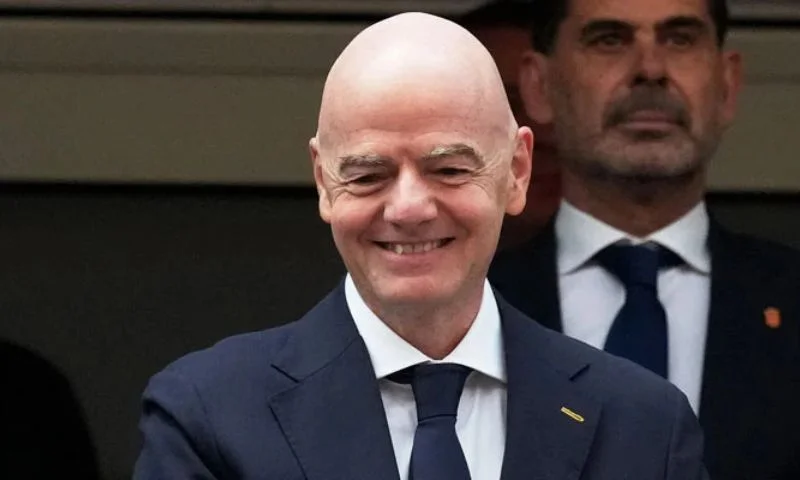
FIFA will examine the possibility of expanding the 2030 FIFA World Cup to 64 teams after the conclusion of the 2026 tournament, President Gianni Infantino has said, arguing that every nation should have the opportunity to dream of playing on football’s biggest stage. Speaking in an interview with Swiss media outlet Bluewin, Infantino said FIFA’s relevant committees will discuss whether increasing the number of participating teams from 48 to 64 is the right next step after what he described as the successful debut of the expanded 48 team format. “That’s definitely an issue that will be examined and discussed in the relevant committees after this World Cup,” Infantino said. The FIFA chief defended the idea by stressing that the World Cup should represent every continent rather than only traditional football powers. “When organising a World Cup, it’s important to organise it for the whole world, not just Europe and South America, but effectively the entire world. Every nation should be allowed to dream of participating in the World Cup. You can see that the quality of the teams is extremely high and it’s getting higher and higher, all over the world. If you don’t give smaller countries a chance to participate in the World Cup, they’ll lack the incentive to keep improving.” FIFA praises 48 team format after strong global performances The 2026 World Cup marked the tournament’s first expansion from 32 to 48 teams, increasing the schedule to 104 matches across the United States, Canada and Mexico. Infantino described the new format as a “huge success” and pointed to the improved performances of teams from outside Europe’s and South America’s traditional football strongholds. “Every team played at a high level. Teams from every continent scored goals and earned at least one point,” he said. “Nine out of 10 African teams reached the knockout stage. At the last World Cup, there were only five teams from Africa. That just goes to show how important it is to include all teams, to give them this opportunity to participate.” Only four teams remain in the current tournament. Argentina, England, France and Spain have reached the semi finals after a month of competition that began with 48 nations. Expansion could reshape the centenary World Cup The 2030 World Cup will celebrate the tournament’s 100th anniversary and will become the first edition staged across multiple continents. Uruguay, Argentina and Paraguay will each host one opening match to commemorate the inaugural 1930 World Cup in Uruguay. Morocco, Portugal and Spain will then stage the remainder of the tournament. If FIFA approves a 64 team format, the three South American hosts could each stage an entire four team group instead of a single opening fixture. A further expansion would add 16 more national teams only four years after the move to 48 participants. Supporters believe it would create more opportunities for developing football nations and accelerate the sport’s global growth. Critics, however, argue that a larger tournament could stretch the calendar, increase travel demands and dilute the quality of qualification. FIFA has not set a timeline for making a final decision. The proposal will first go through the organisation’s committees before any recommendation reaches the FIFA Council for approval.
