

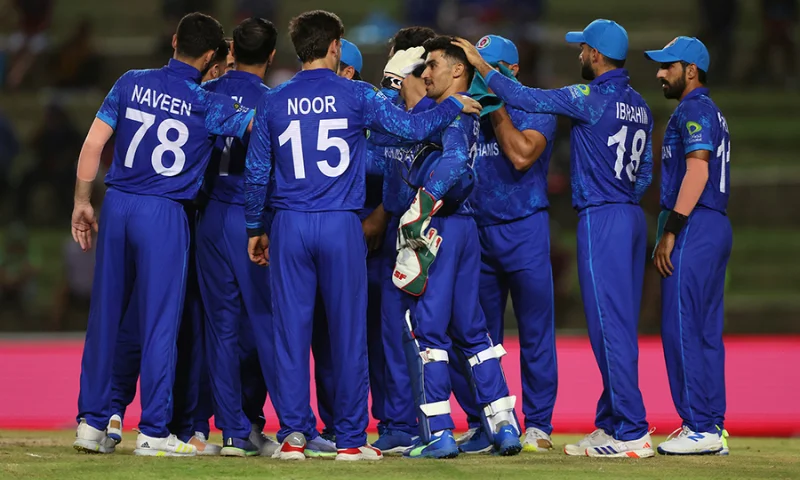
Afghanistan have secured direct qualification for the 2027 ICC Men’s Cricket World Cup after a commanding 92-run victory over Ireland in the second ODI of their five-match series. The result at Bready confirmed Afghanistan’s place at the 14-team tournament. It also removed the pressure of World Cup qualification from their remaining matches in Ireland. The ICC has confirmed that the 2027 event will take place in South Africa, Zimbabwe and Namibia. 92-run victory seals Afghanistan’s World Cup place Rain forced the first ODI to end without a ball being bowled. Afghanistan responded strongly in the second match and completed a 92-run victory on August 7. The ICC match centre recorded Afghanistan at 299 for eight before Ireland fell well short of the target. That victory secured the result Afghanistan needed for direct qualification. Afghanistan join South Africa, Zimbabwe, India, Australia, New Zealand, Pakistan, England and Sri Lanka among teams that have secured their places. Read More: Which Teams Will Play Cricket at LA28? ICC Reveals the Full Plan South Africa and Zimbabwe qualify automatically as Full Member hosts. The other direct places come through the ICC Men’s ODI Team Rankings. The ICC had previously confirmed that the top eight eligible teams in the rankings would reach the World Cup directly. The tournament will feature 14 teams. The ICC recently approved a revised three-stage competition format for the 2027 edition. Gurbaz and Rashid extend Afghanistan’s dominance Afghanistan then strengthened their grip on the series with a three-wicket victory in the third ODI at Stormont on August 10. Ireland made 206 before losing their final wicket in 46.3 overs. Rashid Khan and Allah Mohammad Ghazanfar claimed three wickets each. Yamin Ahmadzai took two wickets. Fazalhaq Farooqi and Azmatullah Omarzai added one wicket apiece. Afghanistan reached 207 for seven in 45 overs. Rahmanullah Gurbaz led the chase with 71. Rashid remained unbeaten on 37, while Sediq Atal scored 27 and Hashmatullah Shahidi made 22. The ICC praised Rashid’s all-round influence after he followed his six-wicket haul in the second ODI with three more wickets. Ireland spinner Gavin Hoey, who took a career-best four for 34, also praised the Afghanistan star. “He’s a serious competitor and he’s somebody I’ve looked at a lot and tried to emulate as much as I can,” Hoey said. Ireland forced to take World Cup Qualifier route Afghanistan’s qualification has ended West Indies’ hopes of claiming a direct World Cup spot. Ireland must now pursue qualification through the 10-team ICC Men’s Cricket World Cup Qualifier. The top four sides from that event will reach the main tournament. Ireland entered the Afghanistan series knowing how important World Cup qualification had become. Read More: Saudi Arabia Enters T20 Cricket With Dunes League Launch “We’re laser-focused on 50-over cricket right now for that reason,” Ireland coach Gary Wilson said before the series. Afghanistan now hold a 2-0 lead in the five-match series. The fourth ODI will take place at Stormont on August 12, followed by the fifth match at the same venue on August 15. The qualification adds another major achievement to Afghanistan’s rapid rise in international cricket and guarantees their presence at another global ICC event.
Why a 64 Team World Cup Could Become Reality in 2030
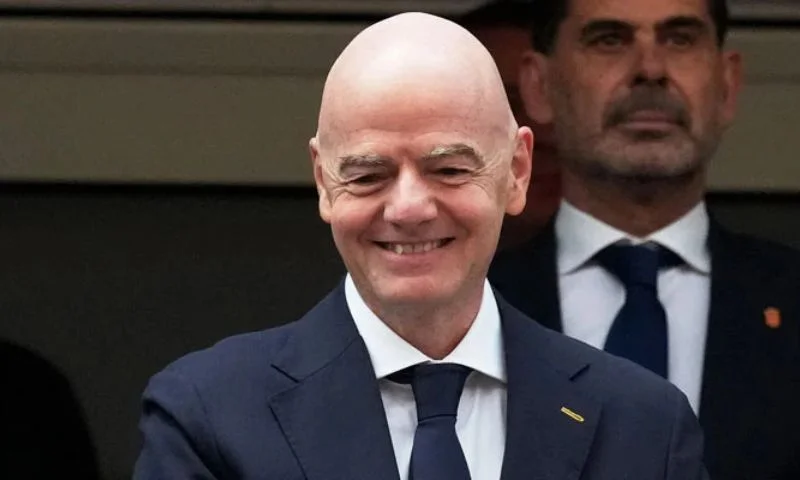
FIFA will examine the possibility of expanding the 2030 FIFA World Cup to 64 teams after the conclusion of the 2026 tournament, President Gianni Infantino has said, arguing that every nation should have the opportunity to dream of playing on football’s biggest stage. Speaking in an interview with Swiss media outlet Bluewin, Infantino said FIFA’s relevant committees will discuss whether increasing the number of participating teams from 48 to 64 is the right next step after what he described as the successful debut of the expanded 48 team format. “That’s definitely an issue that will be examined and discussed in the relevant committees after this World Cup,” Infantino said. The FIFA chief defended the idea by stressing that the World Cup should represent every continent rather than only traditional football powers. “When organising a World Cup, it’s important to organise it for the whole world, not just Europe and South America, but effectively the entire world. Every nation should be allowed to dream of participating in the World Cup. You can see that the quality of the teams is extremely high and it’s getting higher and higher, all over the world. If you don’t give smaller countries a chance to participate in the World Cup, they’ll lack the incentive to keep improving.” FIFA praises 48 team format after strong global performances The 2026 World Cup marked the tournament’s first expansion from 32 to 48 teams, increasing the schedule to 104 matches across the United States, Canada and Mexico. Infantino described the new format as a “huge success” and pointed to the improved performances of teams from outside Europe’s and South America’s traditional football strongholds. “Every team played at a high level. Teams from every continent scored goals and earned at least one point,” he said. “Nine out of 10 African teams reached the knockout stage. At the last World Cup, there were only five teams from Africa. That just goes to show how important it is to include all teams, to give them this opportunity to participate.” Only four teams remain in the current tournament. Argentina, England, France and Spain have reached the semi finals after a month of competition that began with 48 nations. Expansion could reshape the centenary World Cup The 2030 World Cup will celebrate the tournament’s 100th anniversary and will become the first edition staged across multiple continents. Uruguay, Argentina and Paraguay will each host one opening match to commemorate the inaugural 1930 World Cup in Uruguay. Morocco, Portugal and Spain will then stage the remainder of the tournament. If FIFA approves a 64 team format, the three South American hosts could each stage an entire four team group instead of a single opening fixture. A further expansion would add 16 more national teams only four years after the move to 48 participants. Supporters believe it would create more opportunities for developing football nations and accelerate the sport’s global growth. Critics, however, argue that a larger tournament could stretch the calendar, increase travel demands and dilute the quality of qualification. FIFA has not set a timeline for making a final decision. The proposal will first go through the organisation’s committees before any recommendation reaches the FIFA Council for approval.
