

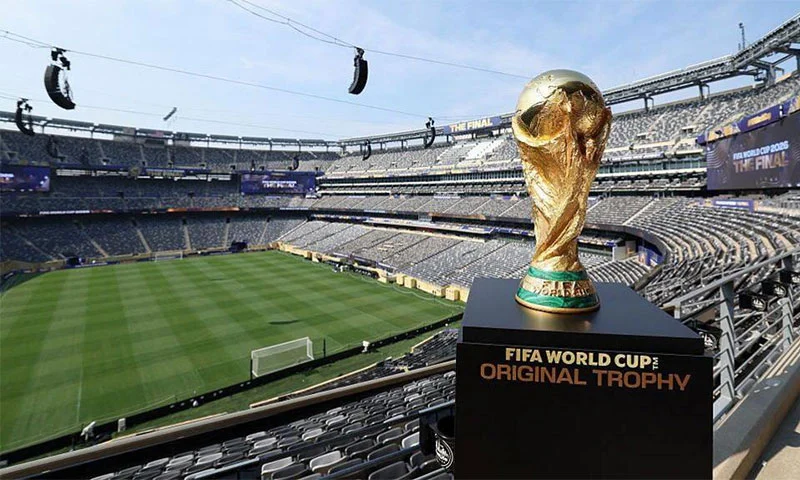
FIFA has unveiled its fan-selected World Cup 2026 Dream XI, with champions Spain placing three players in the 4-3-3 lineup. France also earned three places, while runners-up Argentina supplied two players. Spain defeated Argentina 1-0 after extra time to win its second world title. FIFA said supporters worldwide chose the team following the tournament across Canada, Mexico and the United States. Its official rules state: “The final Dream XI is based on fan votes and is confirmed by FIFA.” Messi, Mbappe and Rodri Headline Dream XI Cape Verde goalkeeper Vozinha claimed the place in goal after heroic displays during his country’s historic debut campaign. The defence features Spain full-backs Marc Cucurella and Pedro Porro, France centre-back Dayot Upamecano and Argentina defender Lisandro Martinez. Read More: FIFA Reveals Stunning Numbers Behind World Cup 2026 Spain captain Rodri anchors the midfield after playing a decisive role in La Roja’s title triumph. England’s Jude Bellingham and France’s Michael Olise join him. Bellingham scored seven goals, the highest total by an England player in one World Cup. Olise registered seven assists and broke Pele’s record for the most assists in a single edition. View this post on Instagram A post shared by FIFA World Cup (@fifaworldcup) The forward line contains Argentina captain Lionel Messi, France star Kylian Mbappe and Norway striker Erling Haaland. Messi, aged 39, scored eight goals and provided four assists as he carried Argentina to another final. Mbappe won the Golden Boot with 10 goals and became the World Cup’s all-time leading scorer with 22. Haaland struck seven times during Norway’s first World Cup appearance in nearly three decades. His goals marked an exceptional debut for a nation absent from the tournament for more than 20 years. Read More: Messi Effect? FIFA World Cup Final Tickets Break US Record The final list includes players from six nations: Spain, France, Argentina, England, Norway and Cape Verde. Although some early reports described seven nations, the named XI represents six. Cubarsi and Unai Simon Absences Raise Questions The selection quickly sparked debate because voters overlooked two major figures from Spain’s dominant defence. Pau Cubarsi missed out despite winning the FIFA Young Player Award. Spain conceded only one goal during eight matches, the fewest ever by a World Cup-winning team. Tournament figures also credited Spain with allowing only 10 shots on target. Golden Glove winner Unai Simon also failed to make the team after recording seven clean sheets, a World Cup record. Fans questioned whether those numbers should have placed him ahead of Vozinha. Vozinha still presented a strong case because his individual brilliance powered Cape Verde’s remarkable campaign. However, Spain’s defensive dominance strengthened the argument for Simon. Read More: Spain Breaks Messi’s Heart to Win the 2026 FIFA World Cup Supporters also questioned whether Cubarsi or Aymeric Laporte deserved a place ahead of Upamecano or Martinez. Both selected centre-backs delivered excellent tournaments, but Spain’s collective defensive record remained unmatched. Ultimately, FIFA’s Dream XI rewarded individual impact and global fan support. Yet the absence of Cubarsi and Simon left many wondering whether the vote underrepresented the newly crowned champions.
FIFA Reveals Stunning Numbers Behind World Cup 2026
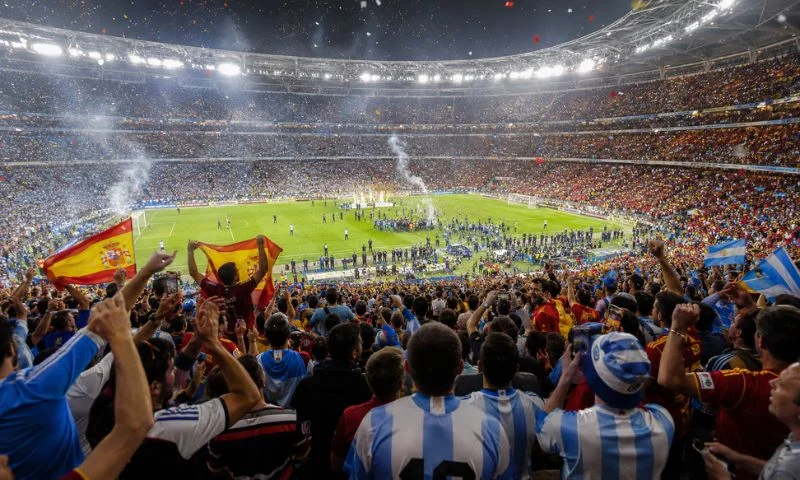
The 2026 FIFA World Cup rewrote football history after setting new records for attendance, television audiences and digital engagement. The first 48 team tournament attracted millions of fans across the United States, Canada and Mexico and surpassed FIFA’s own expectations. FIFA President Gianni Infantino praised the success of the expanded tournament. He acknowledged that the larger format helped produce the record numbers. Speaking before the final weekend, Infantino said, “this is the largest World Cup in history by far, by many times, actually, welcoming 16 additional teams.” “But,” he added, “it has exceeded all expectations.” The tournament featured 104 matches, compared with 64 in Qatar in 2022. Before the final weekend, FIFA confirmed that more than 6.6 million fans had entered stadiums. After Spain beat Argentina 1 to 0 in extra time to win the title, media estimates placed total attendance at about 6.81 million. FIFA has not yet released the official final figure. The tournament also broke the previous attendance record of 3,587,538 spectators, set during the 1994 World Cup in the United States. Fans almost filled every seat throughout the competition. FIFA said stadiums operated at a record 99.7 percent capacity despite criticism over expensive ticket prices. Average attendance reached 65,351 spectators per match. The tournament crossed the five million spectator mark during the Round of 32 match between France and Sweden. TV Viewership and Online Engagement Hit New Highs FIFA also celebrated record television audiences around the world. “TV viewership records were shattered, both in the host countries and across the globe,” the governing body said. FIFA has not released detailed audience figures. However, US President Donald Trump claimed the tournament attracted “nearly six billion viewers.” Read More: Spain Rewrites Football History by Winning Both Men and Women FIFA Titles The previous record belonged to the 2022 World Cup final between Argentina and France. That match drew about 1.5 billion viewers worldwide. FIFA expects the 2026 final to surpass that figure once the official numbers become available. The tournament also dominated digital platforms. FIFA estimated that 5.2 billion people had engaged with the competition by the end of the Round of 16. That figure represents nearly two thirds of the world’s population. Fans interacted through television, websites, apps and social media. Record Revenue Strengthens Expansion Plans The tournament generated record commercial returns alongside its huge audiences. Before the event, FIFA projected revenue of more than €7 billion, or about $8 billion, for 2026. That represents a 56 percent increase compared with the 2022 World Cup. FIFA also expected television rights revenue to climb 34 percent to nearly $4 billion. Sponsorship income was forecast to rise by 21 percent. FIFA planned to spend $3.7 billion on the tournament. It allocated one quarter of that amount to participating national teams and clubs that released players. The governing body increased the total prize fund by 15 percent to $871 million in April. Spain collected $50 million after winning the title, while every participating nation received at least $12.5 million. Read More: Messi Effect? FIFA World Cup Final Tickets Break US Record The expanded tournament also revived discussion about another increase in participating teams. Earlier this summer, Infantino said, “we have had discussions about expanding to 64 teams” for the 2030 World Cup. The centenary tournament will take place in Spain, Portugal and Morocco, with opening matches in Paraguay, Uruguay and Argentina. He added, “this matter has been submitted to the FIFA Council.”
Messi Loses World Cup Record as Mbappe Hits Historic 22nd Goal
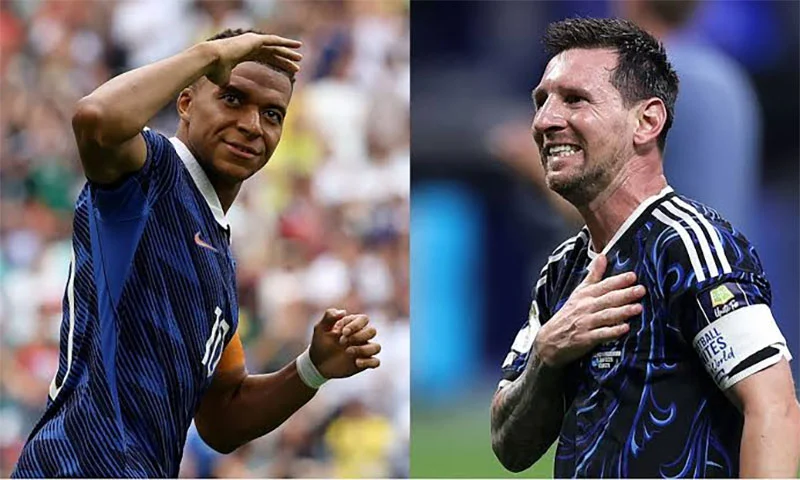
Kylian Mbappe became the highest scorer in FIFA World Cup history on Saturday, but the historic milestone came in a losing cause as France fell 6-4 to England in a thrilling third-place playoff in Miami Gardens, Florida. The French captain scored twice in the second half to take his World Cup tally to 22 goals, moving one ahead of Argentina legend Lionel Messi. However, France’s spirited comeback from a 4-0 halftime deficit fell short as England secured the bronze medal in one of the highest-scoring matches in World Cup history. Read More: Spain or Argentina: What’s Really at Stake in the World Cup Final? Mbappe Sets New Record but Misses the Final Mbappe found the net in the 48th and 66th minutes, breaking the all-time World Cup scoring record that Messi had held with 21 goals. The Real Madrid forward has now scored 22 World Cup goals across three tournaments, including four in 2018, eight in 2022 and 10 in the 2026 edition. Despite reaching another historic landmark, Mbappe admitted the personal achievement offered little comfort after France missed out on the World Cup final. “I’m just trying to help my team score every time,” Mbappe said after the match. “It’s for sure that when you score that many goals in the World Cup, it elevates you to certain levels but I would have liked to not be the top scorer in history and play tomorrow’s (championship) match.” “So, I think it’s good for legacy and when we stop (playing) to say that I was one of those players. But today, it’s not the first thing crossing my mind.” Read More: Messi Effect? FIFA World Cup Final Tickets Break US Record The 27-year-old’s latest achievement adds another chapter to an already remarkable World Cup career. He lifted the trophy with France in 2018 and scored a memorable hat trick in the 2022 final, although Argentina eventually won that match on penalties. Golden Boot Race Still Open Before Final Mbappe’s brace also strengthened his grip on the Golden Boot race. He now leads the tournament with 10 goals, two ahead of Messi, who has eight entering Sunday’s World Cup final against Spain. The final in East Rutherford, New Jersey, gives Messi one last opportunity to close the gap in both the Golden Boot standings and the all-time World Cup scoring chart. A hat trick would see the Argentine reclaim both records. Mbappe also became the first player to score 10 goals in a single World Cup since West Germany legend Gerd Muller achieved the feat in 1970. Read More: FIFA’s Ultimate Prize Gets a Luxury Louis Vuitton Journey France’s record-setting striker was overshadowed by England’s Bukayo Saka, who scored a hat trick as the Three Lions raced into a 4-0 halftime lead. France mounted an impressive second-half rally through Mbappe, Bradley Barcola and Ousmane Dembele, but Jude Bellingham’s stoppage-time goal sealed England’s 6-4 victory. Although Mbappe leaves the tournament without a medal of the color France wanted, he departs having rewritten one of football’s most prestigious records. Whether it stands for long could depend on what Messi produces in the World Cup final.
Mbappé Overtakes Messi Without Scoring More Goals
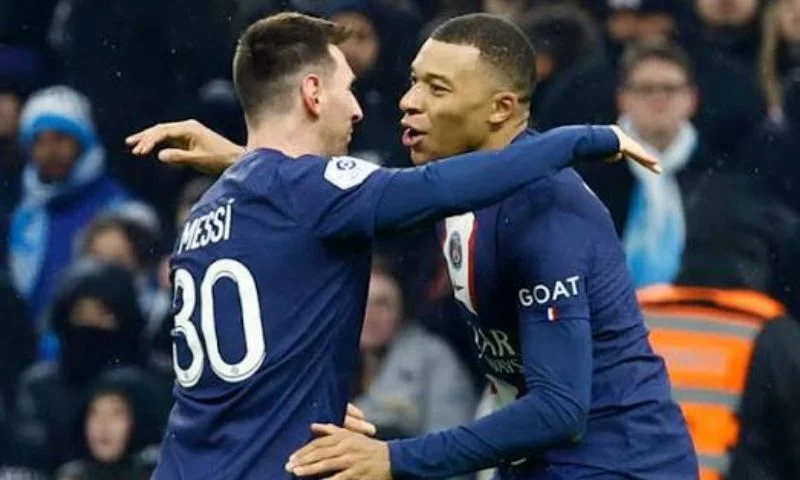
Kylian Mbappé climbed to the top of the 2026 FIFA World Cup Golden Boot standings after scoring his eighth goal in France’s 2-0 quarter-final win over Morocco. The France captain now shares the tournament lead with Lionel Messi on eight goals. However, FIFA ranks Mbappé first because he has more assists. He has three assists, while Messi has one. FIFA uses assists as the first tiebreaker. If players remain level, it considers total minutes played. France secured their semi-final place with a commanding performance at Boston Stadium. Mbappé broke the deadlock in the 60th minute. Ousmane Dembélé doubled the lead six minutes later. Didier Deschamps’ side will now face either Spain or Belgium in Arlington, Texas. Mbappé has contributed directly to 11 goals at this World Cup. He has scored eight times and created three more. Messi has eight goals and one assist, giving him nine direct goal contributions. The French forward also reached another major milestone. His latest strike took his World Cup tally to 20 goals in only 20 appearances. He now sits just one goal behind Messi’s all time World Cup record of 21 goals. Mbappé has also scored 64 goals in 104 international matches for France. Reuters confirmed the milestone after Friday’s victory. Mbappé responds after first half penalty miss France controlled the match from the opening whistle. They created several chances but failed to score before the break. Mbappé earned a penalty after Noussair Mazraoui fouled him inside the box. Officials reviewed the challenge through VAR before confirming the decision. Goalkeeper Yassine Bounou then saved Mbappé’s penalty to keep Morocco level. France finally found the breakthrough on the hour mark. Mbappé curled a superb right footed shot into the net from outside the penalty area. Dembélé then made it 2-0 in the 66th minute with a calm finish after driving forward from midfield. Morocco entered the match as African champions after an impressive tournament. However, France gave them very little space. The Moroccan side managed only one shot on target. Azzedine Ounahi forced Mike Maignan into a comfortable save from a free kick in the 83rd minute. France’s disciplined display earned another deserved victory. Reuters reported that Deschamps’ team has now reached a third straight World Cup semi-final. Golden Boot race set for dramatic finish The Golden Boot battle could go down to the final days of the tournament. Mbappé and Messi both have eight goals. Yet the French star currently leads because FIFA gives priority to assists before any other tiebreaker. Only if goals and assists remain equal will FIFA compare minutes played. France will now prepare for a semi-final against Spain or Belgium. Mbappé also has another chance to extend his Golden Boot lead. He could also equal or surpass Messi’s World Cup scoring record before the tournament ends.
Lionel Messi Makes World Cup History, Scores in 7 Straight Games
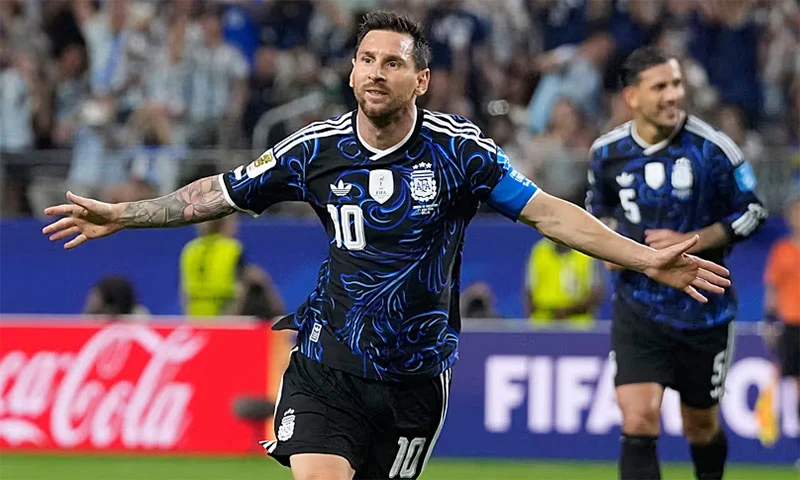
Lionel Messi celebrated his 39th birthday week with another milestone, coming off the bench to score in Argentina’s 3-1 win over Jordan and extend his remarkable FIFA World Cup scoring streak. Although Argentina had already secured first place in Group J before kickoff, thousands of supporters packed the stadium hoping to see their captain in action. The defending champions rested Messi at the start, but the crowd erupted when he entered the match in the 60th minute. Twenty minutes later, the eight time Ballon d’Or winner delivered another memorable moment. After drawing a foul just outside the penalty area, Messi curled a low free kick through the defensive wall and into the corner of the net to seal Argentina’s victory. The goal made him the first men’s player to score in seven consecutive World Cup matches. It also increased his overall World Cup tally to 19 goals, extending his record as the competition’s highest scoring male player. Another Milestone for Argentina’s Captain The strike also added another chapter to Messi’s remarkable international career. It was the 72nd direct free kick goal of his professional career and his 12th for Argentina. Messi now has 123 international goals in 202 appearances, leaving him second on the all time men’s list behind Cristiano Ronaldo’s 145 goals. https://Twitter.com/itsmeuv10/status/2071078241557733727 His latest free kick also placed him among a select group of players to score multiple direct free kicks in World Cup history. The achievement puts him alongside Pelé, Rivellino, Téofilo Cubillas, Bernard Genghini and David Beckham. Argentina also received an important contribution from Giovani Lo Celso, who opened the scoring with a first half free kick. After the match, Lo Celso praised his captain’s influence on the squad. “I am very happy for him, for the moment he is having,” Lo Celso said. “The truth is that seeing him every day excites, excites and infects a lot. So obviously seeing him like that for us is very important.” Knockout Stage Awaits Messi started on the bench after dealing with a minor hamstring issue before the tournament. Argentina’s coaching staff also had little reason to risk him because the team had already guaranteed top spot in the group, while Jordan had no chance of reaching the knockout stage. Even so, the atmosphere changed the moment Messi began warming up. Supporters repeatedly chanted his name before welcoming him with a standing ovation as he entered the field. Argentina now moves into the Round of 32 as one of the tournament favourites. The team’s knockout campaign begins next Friday in South Florida. Messi also leads the race for the Golden Boot with six goals. He sits two clear of Kylian Mbappé, Vinícius Júnior and Erling Haaland. With five more matches separating Argentina from another possible World Cup title, Messi’s latest record has only strengthened belief that his extraordinary international career still has more history to make.
10 Games Without A Goal: Ronaldo Faces Growing Questions
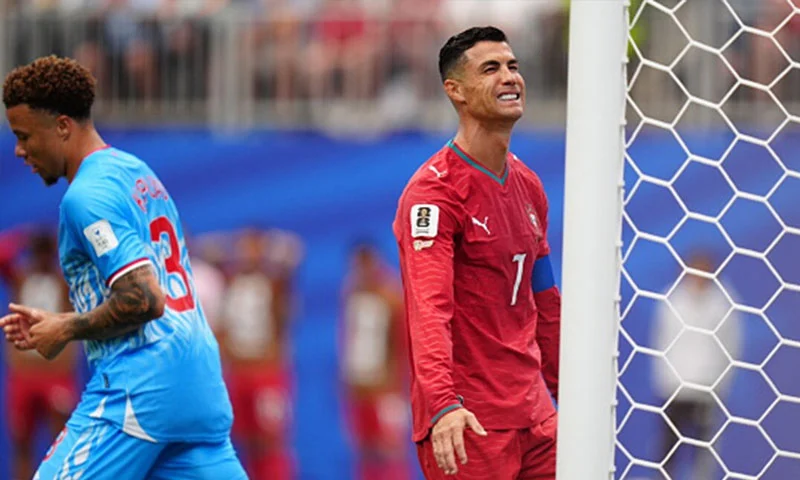
Cristiano Ronaldo’s goal drought at major tournaments stretched to 10 consecutive matches on Wednesday as Portugal were held to a 1-1 draw by DR Congo in their opening FIFA World Cup 2026 fixture. Despite the 41-year-old failing to register a shot on target, Portugal coach Roberto Martinez strongly defended his captain and insisted removing the team’s all-time leading scorer was never an option. Ronaldo played the full 90 minutes at Houston Stadium but failed to register a shot on target. The result extended his goal drought to five consecutive World Cup matches and 10 straight appearances across the World Cup and European Championship. Despite growing scrutiny over the 41-year-old’s performances at major tournaments, Martinez insisted that substituting Portugal’s all-time leading scorer was never under consideration while the team searched for a winning goal. “It makes no sense to get the best goal scorer in world football out in a game that you need goals,” Martinez said after the match. Ronaldo attempted three shots against DR Congo, but none troubled goalkeeper Lionel Mpasi. It marked the sixth World Cup match in which the Portugal captain failed to record a shot on target. However, Martinez pointed to Ronaldo’s remarkable international record. The Al Nassr striker has scored 143 goals for Portugal and remains the highest-scoring men’s international player in football history. The match also saw Ronaldo achieve another milestone. He became only the second male player to appear at six FIFA World Cups, joining Argentina captain Lionel Messi, who reached the same landmark a day earlier. Ronaldo entered the tournament aiming to become the first player to score in six separate World Cups. Messi remains in contention for the same record after scoring a hat-trick against Algeria in Argentina’s opening game. Early Lead Slips Away Portugal appeared in control after João Neves scored in the sixth minute. However, Martinez said the early goal unexpectedly changed his team’s approach. “We started very, very well,” Martinez said. “Scoring the goal, which is normally a moment when the emotion of scoring helps you keep control of the match and try to score a second goal, had the opposite effect.” According to Martinez, Portugal became overly focused on possession instead of attacking spaces behind DR Congo’s defensive line. As a result, the African side gradually settled into the contest and began creating opportunities through quick transitions. Portugal managed only six further attempts after Neves’ opener and finished the match with just one shot on target. DR Congo equalised before halftime through Yoane Wissa and successfully defended the scoreline during the second half. The draw earned DR Congo their first World Cup point since returning to the tournament after a 52-year absence. Martinez Urges Improvement Ahead of Uzbekistan Clash Despite the disappointing result, Martinez dismissed suggestions that Portugal’s World Cup campaign had suffered a major setback. “What we’re talking about here is the first match of a World Cup,” he said. “We stopped taking risks, we stopped looking for space, we stopped reaching the final third.” The Spanish coach compared Portugal’s situation to previous tournaments where eventual champions endured difficult starts. He referenced Argentina’s defeat to Saudi Arabia in 2022 and Spain’s loss to Switzerland in 2010 before both nations went on to lift the World Cup trophy. Portugal now turn their attention to a crucial Group K encounter against Uzbekistan next Tuesday in Houston. They will conclude the group stage against Colombia. For Ronaldo, the match presents another opportunity to end a scoring drought that has become one of the most closely watched storylines of the tournament.
Zidane Iqbal Makes History as First Player of Pakistani Heritage at FIFA World Cup
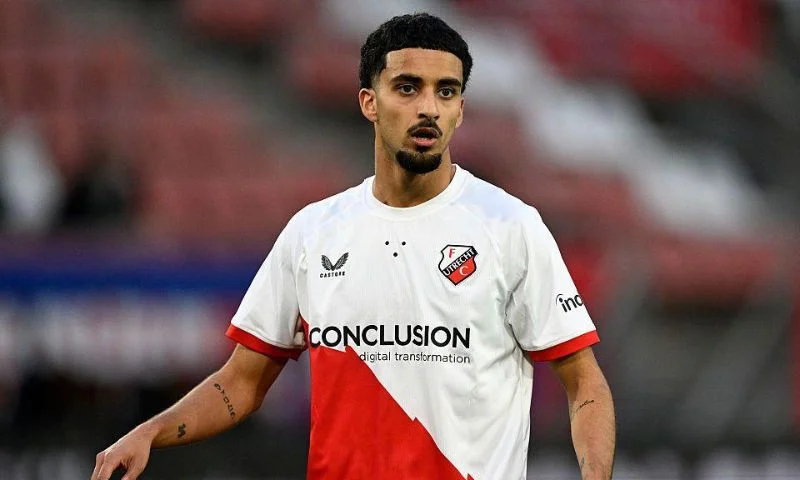
Midfielder Zidane Iqbal has etched his name into football history after becoming the first player of Pakistani heritage to appear in a men’s FIFA World Cup match. The 23-year-old Iraq international reached the milestone when he came off the bench during Iraq’s opening match against Norway at the 2026 FIFA World Cup in the United States. Iqbal entered the game in the 59th minute at Boston Stadium in Foxborough, Massachusetts, as Iraq suffered a 4-1 defeat to Norway. The match also marked a memorable World Cup debut for Norwegian striker Erling Haaland, who scored twice to help secure victory for his side. While the result disappointed Iraq, the occasion carried historic significance for Iqbal and millions of football fans with Pakistani roots around the world. Born in Manchester, England, Iqbal represents Iraq through his mother’s side of the family. His father is Pakistani, giving him a unique connection to two nations with deep personal significance. A Historic Moment for Pakistani Heritage in Football Speaking to BBC Sport, Iqbal admitted he did not initially realise the significance of his achievement. “To be honest, I didn’t even know it myself,” Zidane Iqbal told BBC Sport. “I followed the account that posted it [that he was the first player of Pakistani heritage to play at a men’s World Cup] and sent it to my dad straight away. I think we were both surprised. When I tried to qualify for the World Cup with Iraq, I didn’t think of anything like this.” The midfielder paid tribute to his father, whom he credits as one of the most influential figures in his football journey. “My dad is Pakistani. He’s my father, the man I respect the most in my life, who helped me so much in my career.” “I play for Iraq, grew up in England, but my dad was born in Pakistan. My grandad was a first-generation there, so I have a lot of respect for that side of my family.” Iqbal’s achievement comes at a time when football continues to grow in popularity among Pakistanis both at home and abroad. Pakistan has yet to qualify for a FIFA World Cup, making his appearance even more symbolic for many supporters. Carrying Two Flags With Pride Iqbal has often spoken about embracing both sides of his heritage. He revealed that he honours his family background by wearing the Iraqi and Pakistani flags on his boots. “I wear the Iraqi flag on my left side and the Pakistani flag on my right side,” he said. “I think that’s because I respect both sides.” “When people ask me what I feel more connected to, I can’t answer. For me, they’re both equal. It’s about respect and something I carry with a lot of pride.” Iqbal began his professional career at Manchester United, where he progressed through the club’s academy system before making his senior debut. He later moved to Dutch football and has continued his development at club level while becoming an important figure for Iraq’s national team. Although Iraq’s World Cup campaign started with defeat, Iqbal’s appearance ensured the match will be remembered for more than the scoreline. For many football fans of Pakistani heritage, it represented a groundbreaking moment on the sport’s biggest stage.
Meet the Eight Players Over 40 Heading to the FIFA World Cup
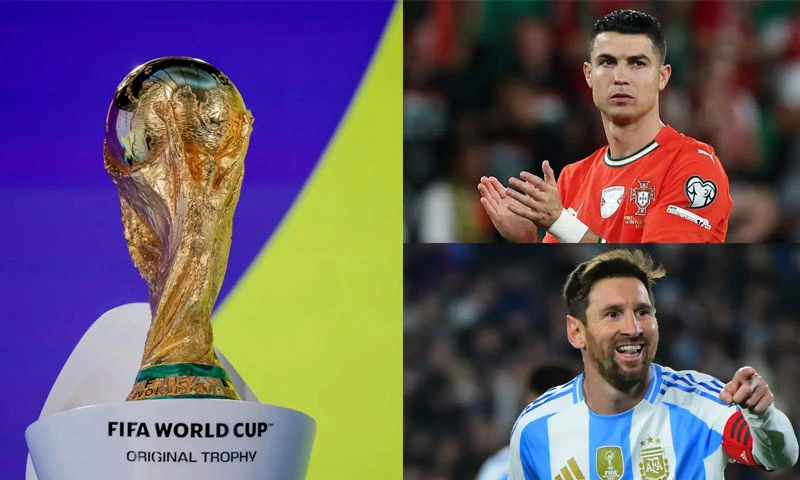
The 2026 FIFA World Cup will feature a record number of players aged 40 or older, highlighting how elite footballers continue to extend their careers through fitness, nutrition and sports science. Eight players aged 40 and above will compete in the tournament across Canada, Mexico and the United States. That total exceeds the combined number from the previous 22 World Cups. The list includes Cristiano Ronaldo, Luka Modric, Edin Dzeko, Manuel Neuer and Guillermo Ochoa. Their presence challenges the idea that top-level football belongs only to younger players. Portugal captain Ronaldo, now 41, will make history as the first player to appear in six FIFA World Cups. Mexico goalkeeper Ochoa, 40, will also reach that milestone. Argentina captain Lionel Messi, who turns 39 later this month, remains one of football’s most influential figures. He led Argentina to World Cup glory in Qatar and now aims to add another chapter to his remarkable career. Veteran Stars Chasing More History Ronaldo arrives with a record few players can match. He has scored in each of the five World Cups he has played. Portugal coach Roberto Martinez believes experience remains Ronaldo’s greatest asset. “None have lived what he has in the number of decisive games he’s played over his career,” Martinez said. “He also brings experience in decisive moments that nobody else in the squad can match.” Croatia’s Modric and Bosnia and Herzegovina’s Dzeko also have an opportunity to make history. Both players could join a very exclusive group of over-40 World Cup goalscorers. Only Cameroon’s Roger Milla has achieved that feat. He scored at the age of 42 during the 1994 World Cup in the United States and remains the oldest scorer in tournament history. More than three decades later, his record still stands. Goalkeepers Continue to Defy Age Scotland goalkeeper Craig Gordon will be the oldest player at the tournament. At 43, he could become the second-oldest player ever to appear in a World Cup match. Only Egypt’s Essam El Hadary ranks ahead of him. The Egyptian goalkeeper played at 45 during the 2018 World Cup in Russia. Gordon is likely to serve as backup to Angus Gunn. However, even a single appearance would secure his place in the record books. Germany’s Manuel Neuer, who helped his country win the 2014 World Cup, hopes to recover from a calf injury before Germany’s opening match against Curaçao. Cape Verde’s Vozinha and Uruguay’s Fernando Muslera, who turns 40 during the tournament, complete the group of veteran players. Recent injuries have affected both Messi and Ronaldo. Even so, neither player’s legacy faces any threat. Their achievements already rank among the greatest in football history. The 2026 World Cup now offers one more opportunity for football’s elder statesmen to prove they can still perform on the sport’s biggest stage.
