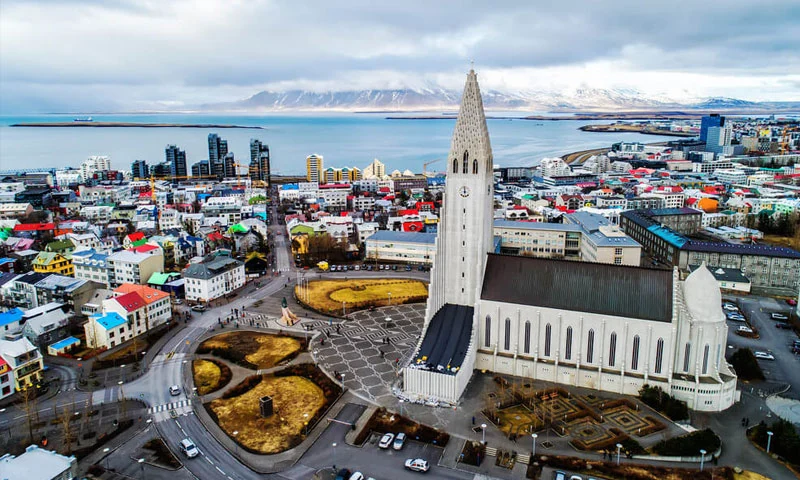
The world’s most peaceful countries for 2026 have been revealed, with Iceland once again securing the top position in the latest Global Peace Index compiled by the Institute for Economics and Peace (IEP). The annual index assessed 163 countries and territories using 23 indicators that measure peace and stability. Researchers examined factors such as crime levels, political stability, internal and international conflicts, militarisation and the impact of terrorism. According to the report, global peacefulness continued to decline during the past year. However, a select group of nations maintained exceptionally high levels of safety, security and social cohesion. Iceland Iceland retained its position as the world’s most peaceful country for the 17th consecutive year. Researchers credited the country’s low crime rates, strong institutions and high levels of public trust for its continued success. Iceland has consistently topped the rankings since 2008 and remains one of the safest places to live and visit. Ireland Ireland ranked second in the 2026 Global Peace Index. The country benefited from effective democratic institutions, a long-standing policy of neutrality and low incarceration rates. Analysts also highlighted Ireland’s stable political environment and strong social cohesion. New Zealand New Zealand climbed two places to secure third position globally. The country also emerged as the most peaceful nation in the Asia-Pacific region. Researchers pointed to its low crime levels, stable government and strong rule of law. Austria Austria maintained its place among the world’s safest countries by securing fourth position. Its stable political environment, high quality of life and strong public institutions contributed to its ranking. Switzerland Switzerland ranked fifth and continued its tradition of neutrality and political stability. The country achieved strong scores in public safety and recorded low levels of violent crime compared to many other developed nations. Singapore Singapore emerged as the highest-ranked country in Southeast Asia, taking sixth place overall. The city-state posted excellent results in public safety, law enforcement and social stability. It also remained free from major internal or external conflicts. Portugal Portugal secured seventh place in the rankings. The report noted that continuous investment in social development and public welfare programmes helped strengthen safety perceptions and overall stability. Denmark Denmark claimed eighth position and remained one of the safest countries in Northern Europe. High living standards, strong governance and low crime rates helped Denmark maintain its place among the world’s most peaceful nations. Slovenia Slovenia ranked ninth in the latest index. Researchers highlighted its effective governance, political stability and peaceful social environment as key factors behind its strong performance. Finland Finland completed the top 10 list. The Nordic country improved several safety indicators despite facing a more challenging geopolitical environment in Northern Europe. Analysts said Finland’s strong institutions and social trust continued to support its ranking. What Makes These Countries Stand Out? Experts say the countries at the top of the Global Peace Index share several common traits. They invest heavily in education, healthcare and social welfare. They also maintain strong institutions, low corruption levels and effective governance. The Institute for Economics and Peace noted that peaceful societies tend to enjoy stronger economic performance, higher quality of life and greater resilience during periods of global uncertainty. As conflicts and geopolitical tensions continue to affect many regions, the latest rankings highlight the importance of stability, trust and good governance in building peaceful societies.


