

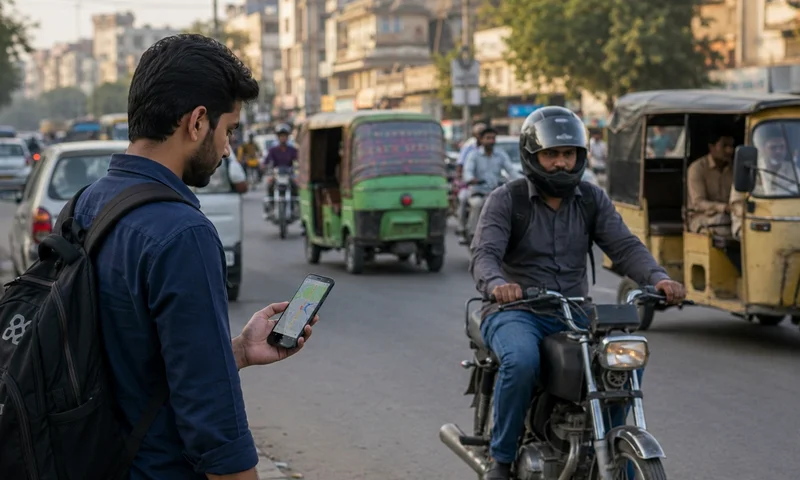
Only 5% of Pakistanis use ride-hailing services, far below the estimated global rate of about 20%, an industry executive has said. The gap points to substantial room for growth in Pakistan’s digital mobility market. Yet poor internet access in some areas, limited digital literacy and cultural barriers continue to restrict adoption beyond major cities. Digital food delivery remains even less common. Online platforms account for under 1% of Pakistan’s food sales, according to industry representatives who discussed the sector’s prospects during a panel session. Pakistan offers major growth opportunity Wael Ibrahim, inDrive’s regional director for the Middle East, described Pakistan as a market with strong business potential. He also announced that the company planned further investment in the country. Ibrahim said ride-hailing penetration stood at only 5% in Pakistan, compared with roughly 20% worldwide. The difference makes Pakistan one of the most promising expansion markets for app-based transport companies. Read More: From Saving Money to AI: Inside foodpanda’s New Rider Academy inDrive currently operates in 30 Pakistani cities, giving it a broader footprint than rivals such as Yango and Bykea. The company offers city rides alongside intercity and delivery services through its app. However, expansion into smaller cities and towns faces several obstacles. Many potential users lack the digital skills needed to book and manage rides through mobile applications. Some areas still have limited internet availability, while cultural factors can also shape whether people feel comfortable using app-based transport. Connectivity grows but usage barriers remain Pakistan has expanded its telecommunications network, but subscriber numbers do not automatically translate into regular use of digital services. The Pakistan Economic Survey 2025-26 recorded 161 million broadband subscriptions by March 2026. Broadband penetration reached 64.2%, while total telecom subscriptions climbed to 207.2 million. Despite that growth, the World Bank has identified a wide digital usage gap in Pakistan. Its 2026 analysis found a 44 percentage-point difference between men and women in internet use. It linked exclusion to affordability, lower digital literacy, safety concerns, privacy risks and social norms. These issues help explain why transport platforms may struggle to convert network coverage into active customers, particularly among women and people outside large urban centres. Research from Oxford Economics also indicates that pricing flexibility can improve access in emerging markets. In a 2026 study conducted with inDrive, 59% of Pakistani riders said fare negotiation allowed them to take more trips. About 54% of surveyed Pakistani drivers reported the same effect. Food delivery reaches vulnerable families Foodpanda Director Shariq Mustafa said digital platforms generated less than 1% of food sales in Pakistan. However, he said they still had a significant effect on the livelihoods of vulnerable families. Read More: Why foodpanda Built a Premium Rest Space for Delivery Riders Delivery platforms support income opportunities for riders while helping restaurants and home-based food businesses reach customers. The low share of online food sales also shows how much of the market remains offline. Industry executives see that gap as a commercial opportunity. Wider internet availability, improved digital literacy and stronger consumer trust could determine how quickly ride-hailing and food delivery services expand across Pakistan.
Mobilink Bank Launches New Financing Support for Yango Drivers
Mobilink Bank and Yango Pakistan have partnered to expand financial services for eligible partner drivers and couriers across Pakistan. The partnership will offer Shariah-compliant vehicle and handset financing. It will also provide Takaful protection, digital banking and payment solutions. The initiative aims to improve financial inclusion among workers in Pakistan’s growing gig economy. It focuses on financial products linked directly to drivers’ livelihood needs. Read More: Yango Makes History With First Ride-Hailing License in Punjab The two companies will treat vehicles as productive assets that help drivers generate income. Their joint ecosystem will combine financing, protection, banking, payments and connectivity. Financing of up to Rs5 Million Eligible Yango partner drivers can access Car Diminishing Musharakah financing of up to Rs5 million. Mobilink Bank will also offer Murabaha financing for motorcycles, e-bikes, rickshaws and handsets. Yango Pakistan will identify eligible drivers for the programme. The companies will also offer rickshaw, motorcycle and handset financing under applicable Corporate Guarantee arrangements. Read More: Mobilink Bank Becomes Microfinance Leader with Historic PKR 3.62B Profit The partnership goes beyond standalone vehicle financing. It aims to support drivers throughout their earning journey. This approach could help drivers acquire the tools they need without relying entirely on informal financing. Takaful Protection Included Eligible financed customers will receive complimentary embedded Takaful coverage throughout the financing period. The coverage includes income protection and hospitalisation benefits. Eligible women borrowers can also receive maternity benefits. The package also includes protection against accidental death or permanent disability. Customers will have access to vehicle Takaful and other asset-protection options under the programme. Haaris Mahmood Chaudhary, President and CEO of Mobilink Bank, said the partnership targets a major gap in financial access. Read More: inDrive Reports 54% Surge in Pakistan Summer Travel “Pakistan’s gig economy is creating a new generation of entrepreneurs, yet many remain outside formal financial services. Through this partnership, we are giving ride-hailing drivers access to Shariah-compliant financing, protection and digital banking tools that can strengthen their livelihoods and support sustainable growth.” Digital Payments and Banking Access Eligible drivers and couriers will also gain access to Mobilink Bank’s digital banking ecosystem. They can use digital account onboarding and Business Plus Account benefits. The package also includes Raast QR payments. A dedicated Driver QR will allow drivers to collect fares digitally. Selected connectivity and handset benefits will also form part of the partnership. Miral Sharif, Country Head for Yango Pakistan, said a vehicle plays a central role in a driver’s earning capacity. Read More: Systems, Sazgar and Murree Brewery Join Forbes Asia’s Elite 200 “For a driver, a vehicle is not simply an asset, it is the foundation of their earning potential. Access to appropriate financing and protection can therefore have a direct impact on their ability to work and grow. Our partnership with Mobilink Bank brings these solutions closer to eligible partner drivers, while giving them greater flexibility to invest in the tools they rely on every day. We see this as an important part of building a stronger and more sustainable driver ecosystem.” The partnership reflects growing efforts to bring gig workers into Pakistan’s formal financial system. By combining financing with digital payments and protection, the companies aim to support drivers beyond vehicle ownership. The model also seeks to strengthen long-term earning opportunities for eligible Yango partners.
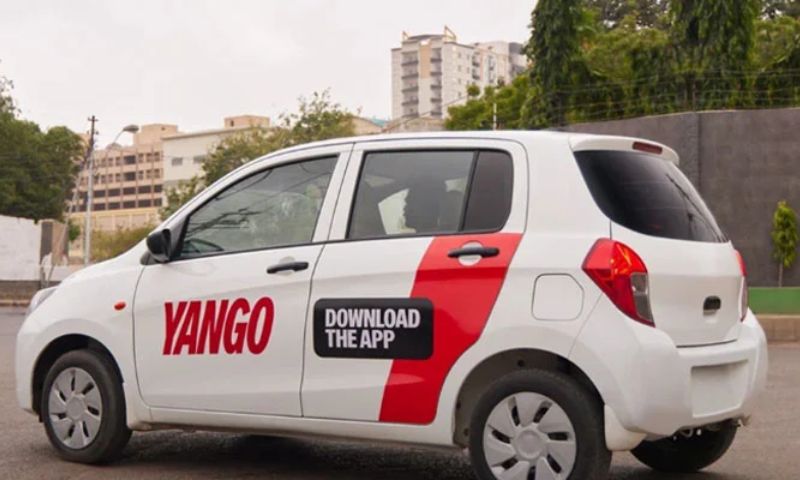
Yango Makes History With First Ride-Hailing License in Punjab
In a significant development for Pakistan’s digital mobility sector, Yango Ride has become the first ride-hailing platform in the country to receive a Transport Network Company operating license from the Punjab Provincial Transport Authority. The approval marks a turning point for the regulation and future growth of ride-hailing services in Pakistan. First to Operate Under New Legal Framework The newly granted license allows Yango Ride to operate under the Provincial Motor Vehicle Amendment Act 2025, which formally regulates ride-hailing services in Punjab. The approval follows months of coordination between Yango and the Punjab Transport Ministry, along with other stakeholders, as authorities worked to establish a structured licensing framework for digital mobility platforms. This move is widely seen as a step toward formalizing a sector that has long operated with limited regulatory clarity. Stronger Oversight and Passenger Safety The new framework is designed to improve transparency and introduce stricter safety and compliance standards. Authorities aim to ensure better verification systems for drivers and stronger protections for passengers. Industry experts believe this could address long-standing concerns about safety, service quality, and accountability in Pakistan’s ride-hailing ecosystem. Yango has also confirmed collaboration with the Punjab Safe City Authority to integrate emergency 15 services into its app, further enhancing rider safety and response mechanisms. Yango Signals Long-Term Commitment Miral Sharif, Country Manager for Yango Pakistan, welcomed the development and emphasized the company’s long-term vision. He said, “We are grateful to the Punjab Transport Authority for granting us the license and appreciate the professionalism demonstrated throughout the process.” He added, “This milestone reflects our commitment to working closely with regulators to support the development of a safer, affordable, and reliable ride-hailing ecosystem in Pakistan.” The company believes the license reinforces its long-term presence in Pakistan and its focus on meeting high regulatory and safety standards. Impact on Pakistan’s Ride-Hailing Industry The approval sets a precedent for other ride-hailing platforms operating in Pakistan, including global and local players. With clearer regulations now in place, companies may be required to align their operations with new compliance standards. This could lead to a more structured and competitive market, benefiting both drivers and passengers. Greater regulatory certainty also reduces the risk of sudden policy disruptions that have historically affected digital platforms. A Boost for Digital Economy and Urban Mobility As urban populations grow and demand for flexible transport increases, regulated ride-hailing services are becoming essential. The licensing framework is expected to support innovation while safeguarding public interests. Yango’s approval sends a positive signal for Pakistan’s broader technology ecosystem, highlighting the government’s willingness to embrace digital platforms under formal regulatory structures. Yango’s license is more than a regulatory milestone. It represents a shift toward a mature, transparent, and safer ride-hailing industry in Pakistan. If implemented effectively, this framework could reshape urban mobility, improve trust in digital platforms, and pave the way for sustainable growth in the country’s gig economy.
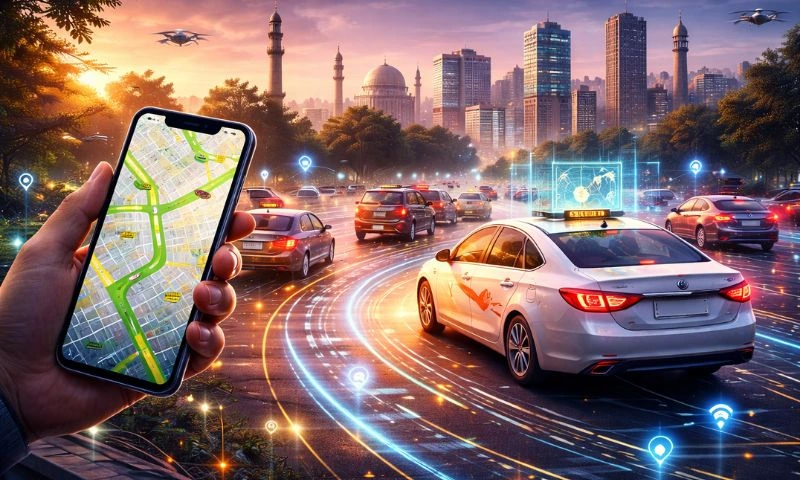
0.8 Million Hours Saved: Yango Highlights AI Impact on Traffic
Ride hailing and mobility platform Yango has said that its AI powered routing system helped commuters in Pakistan save more than 0.8 million hours in 2025, highlighting the growing role of artificial intelligence in tackling urban congestion. According to a report published by Dawn, Yango shared data indicating that its advanced routing algorithms reduced travel time for riders across major cities by suggesting faster and more efficient routes. The company said the savings were achieved through real time traffic analysis and predictive modeling that adjusts routes dynamically based on road conditions. AI at the Core of Urban Mobility Yango explained that its routing system uses artificial intelligence to process traffic data, road closures, weather patterns and historical ride information. The platform’s technology evaluates thousands of route combinations within seconds and guides drivers through the most time efficient paths. The company said that in Pakistan’s densely populated cities, where traffic congestion remains a daily challenge, even small route optimizations can lead to substantial cumulative time savings over the course of a year. Urban transport experts have long argued that smart mobility solutions can help reduce delays in megacities. According to global mobility studies by institutions such as the International Transport Forum, AI driven traffic systems can improve travel time reliability and lower congestion costs when implemented at scale. Read More: Electric Rides & Hybrid Power: Pakistan’s 2026 Car Lineup Preview Benefits for Riders and Drivers Yango noted that reduced travel time benefits both passengers and drivers. Riders reach their destinations faster, while drivers can complete more trips in a day, potentially increasing earnings. The company stated that its AI model also enhances safety by avoiding accident prone routes and high risk traffic zones where possible. By continuously learning from traffic trends, the system adapts to evolving patterns in each city. Yango operates in multiple Pakistani cities and competes in a market that includes other ride hailing platforms. The integration of AI in routing reflects a broader trend in the global mobility sector, where companies increasingly rely on data driven optimization. Pakistan’s Digital Transformation Pakistan’s digital ecosystem has expanded rapidly in recent years. Smartphone penetration and mobile broadband usage have increased, enabling technology platforms to reach a wider user base. The Pakistan Telecommunication Authority has reported steady growth in mobile internet subscribers, which supports app based services such as ride hailing. Experts say AI adoption in transport is part of a larger digital transformation. Intelligent transport systems can reduce fuel consumption and emissions by minimizing idle time in traffic, which also supports environmental goals. Read More: Motorways Crackdown Begins: Unsafe Cars Denied Entry Nationwide Looking Ahead Yango said it will continue investing in AI research and local adaptation of its routing systems. The company aims to further enhance trip efficiency and user experience in Pakistan. As urban centers grow and congestion intensifies, technology driven solutions may play a critical role in shaping the future of mobility. With claimed savings of 0.8 million hours in 2025 alone, AI powered routing is emerging as a significant tool in improving commuter experience in Pakistan.
