


Meta faces a landmark US trial that could force major changes to Instagram and Facebook, especially for children and teenagers. US District Judge Yvonne Gonzalez Rogers will oversee the case in Oakland, California. It involves claims brought by 29 state attorneys general over alleged harm to young users. Opening statements are scheduled for August 18. The states accuse Meta of designing Facebook and Instagram to keep children engaged for longer. They also allege Meta collected data from users under 13 without parental consent. Meta denies the allegations. States seek sweeping changes to Instagram and Facebook The states are seeking damages that Meta says could reach about $1.4 trillion. They also want major changes to features that shape daily use of Instagram and Facebook. Their demands include ending infinite scroll, removing visible “like” counts, limiting notifications and stopping autoplay for young users. They also want stronger parental verification for teenagers. The states want Meta to alter recommendation algorithms that they say encourage compulsive use and prioritise engagement over wellbeing. Read More: “I Gave Up on Having Kids”: Meta Employee Blames Job Insecurity Other demands include restrictions on appearance-changing filters, multiple accounts and disappearing posts such as Instagram Stories. Lawyers also want stricter age limits and deletion of AI models trained using children’s data. Meta has rejected claims that it deliberately harms young people. “We strongly disagree with these allegations and are confident the evidence will show our longstanding commitment to supporting young people,” the company said. New Mexico ruling adds pressure on Meta The California case comes shortly after Meta suffered a legal setback in New Mexico. A court there ordered Meta to pay $567 million into a fund addressing youth mental health and child safety. That came on top of an earlier $375 million civil penalty, bringing Meta’s total exposure in the state to $942 million. Judge Bryan Biedscheid also declared Meta’s platforms a “public nuisance” and imposed child-safety reforms for five years. The measures include hiding like counts for users under 18, tighter controls on adult interactions with minors and limits on certain notifications. Meta has said it will appeal. The New Mexico order applies only within that state. A broader defeat in the federal case could have much wider consequences. Trial could reshape social media for young users The case also focuses on the psychological effects of engagement features. State lawyers have pointed to Meta’s internal research linking social comparison on Instagram with loneliness, negative mood and body-image concerns. They argue that likes, recommendations and repeated notifications can intensify pressure on younger users. Meta argues that youth mental health has many causes. It says it has spent years adding protections for teenagers and families. Read More: Why Meta’s New Instagram AI Feature Didn’t Last a Week An advisory jury has been selected, but its findings will not bind Judge Gonzalez Rogers. She will make the final decision after the trial. Meta chief executive Mark Zuckerberg and Instagram head Adam Mosseri are expected to testify. The case is expected to run for several weeks. A ruling against Meta could become one of the most consequential legal decisions yet for social media platforms.
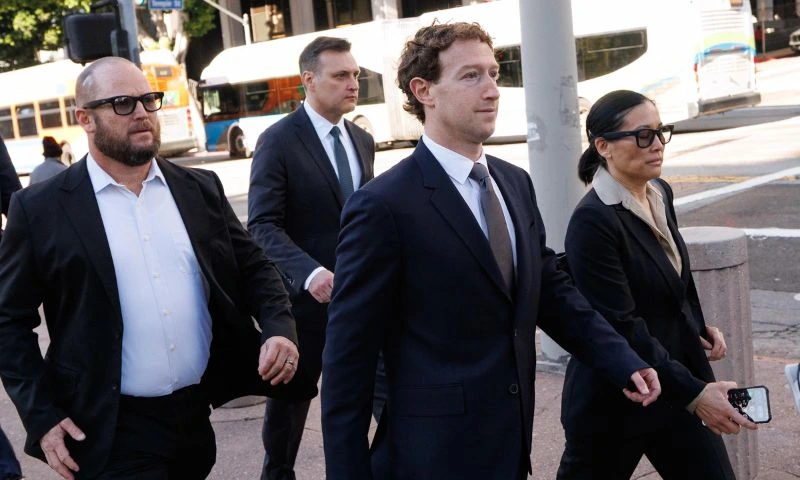
Instagram Under Fire: Zuckerberg Denies Targeting Children in LA Trial
In a major legal showdown in Los Angeles, Meta Platforms CEO Mark Zuckerberg took the stand in a civil lawsuit over claims that Instagram and YouTube harmed a woman’s mental health when she used the apps as a child. The courtroom testimony highlights deep questions about whether social media companies deliberately designed addictive features and targeted young users for profit. The lawsuit was filed by a 20-year-old Californian woman, known as KGM in court filings, who says she began using Instagram and YouTube at a very young age and developed depression and suicidal thoughts linked to her social media use. She argues that the companies sought to “hook kids on their services,” knowing the damage these apps could cause to mental health. Zuckerberg’s Key Defense Zuckerberg repeatedly told jurors that Instagram does not allow users under 13 and that Meta did not intentionally target children. He emphasized that while the platform prohibits under-age sign-ups, enforcing age verification is difficult because users often lie about their birthday. When plaintiff’s lawyer Mark Lanier confronted him with internal Meta documents suggesting youth were a key demographic and that Instagram sought early engagement, Zuckerberg said Lanier was “mischaracterising what I am saying.” He acknowledged Meta had discussed creating a child-friendly version of Instagram but said such a service was never launched. One 2018 internal presentation used in court read, “If we want to win big with teens, we must bring them in as tweens.” Lanier noted this contradicted Zuckerberg’s public claims, yet Zuckerberg maintained Meta’s core intent was not to exploit children. Read More: Plaintiff Lawyer Says Meta, Google Built Platforms to Addict Children Age Verification and Engagement Goals Jurors also saw emails from Meta leadership, including one from former VP Nick Clegg suggesting that Instagram’s age limits were “unenforced (unenforceable?).” Zuckerberg reiterated that accurately verifying ages is complex but insisted Meta works to keep its younger users safe. Another flashpoint was Zuckerberg’s past statements to the US Congress about user engagement goals. Internal email evidence showed earlier plans to grow time spent on Instagram by a double-digit percentage, but Zuckerberg said the goals had evolved and were no longer focused on maximizing usage. “If you are trying to say my testimony was not accurate, I strongly disagree with that,” he said. Read More: Instagram, Facebook & WhatsApp to Get Paid Features: What Meta’s Next Move Means Broader Implications This case is part of a wave of lawsuits against big tech firms, including Snap, TikTok, Google and Meta, alleging social media harms youth mental health and contributes to addictive behavior. Meta’s rivals TikTok and Snap settled with the plaintiff before trial. Legal observers say a verdict against Meta could profoundly affect how social media companies are held accountable for platform design and youth safety, eroding longstanding legal protections shielding tech companies from liability.
