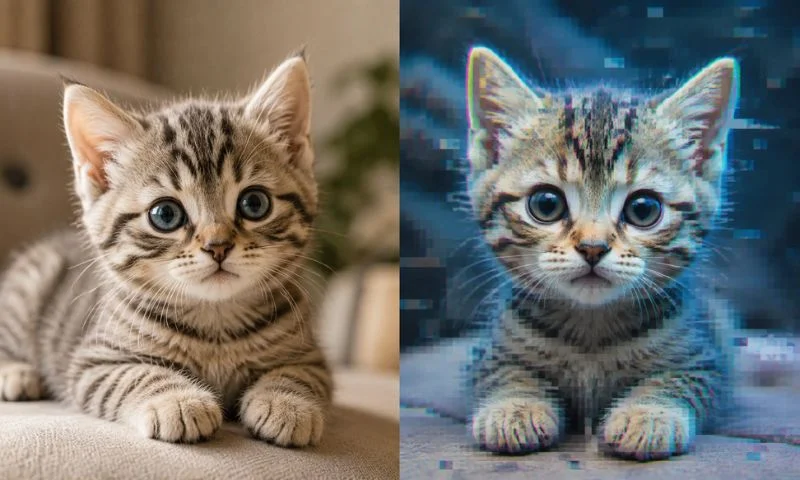
Artificial intelligence is changing how people react to one of the internet’s oldest pleasures: cute animal videos. A BBC report says viewers increasingly pause before enjoying clips of clever cats, dancing dogs or unlikely animal friendships. Many now inspect movements, lighting and comments to decide whether the moment ever happened. Cats have long shaped online culture. I Can Has Cheezburger popularised memes, while Keyboard Cat became an early YouTube sensation. Grumpy Cat later turned viral fame into a commercial model. Authenticity Becomes Part of the Joy Jessica Maddox, a University of Georgia media studies professor, said reality gives these clips their emotional value. She wrote The Internet Is for Cats, a study of animal images and digital culture. “Part of the joy of cute animal videos is, ‘Oh my god, look at this adorable thing that has actually happened,’” Maddox said. “AI completely removes that from the equation.” She said the clips create connection because viewers know another person witnessed and shared the moment. Unlabelled AI videos can instead feel like traps designed to manufacture emotion and engagement. “The joy feels manufactured. It can be hollow in a way that’s almost fraudulent,” Maddox said. She warned that repeated exposure could make audiences more cynical. Fakes Move Beyond Harmless Entertainment The concern extends beyond kittens and puppies. During Hurricane Helene in 2024, fabricated disaster images circulated beside genuine photographs. After sharing one image, Republican National Committee member Amy Kremer wrote: “Y’all, I don’t know where this photo came from and honestly, it doesn’t matter. It is seared into my mind forever.” Her response showed how emotionally powerful fake material can remain after people learn it is artificial. AI entertainment has also attracted huge audiences. Fruit Love Island, a parody featuring romantic and argumentative talking fruit, averaged more than 10 million views per episode. Platforms Face Pressure to Restore Trust Meta applies “AI info” labels when its systems detect recognised AI signals or creators disclose synthetic content. YouTube requires disclosure for realistic scenes that never occurred. TikTok also uses creator labels and automatic detection tools for AI-generated posts. However, labels do not solve every problem. AI accounts can produce videos faster than people filming real animals, creating tougher competition for human creators. Maddox said harmless synthetic animals could increase tolerance for fake political footage, invented crimes and racist caricatures. Real creators may also lose attention and income as automated accounts flood feeds. The BBC report outlined two possible futures. Audiences may reject synthetic clips and reward authentic creators, forcing platforms to reduce low-quality AI material. Alternatively, AI videos may become satisfying enough to dominate feeds. For many viewers, the damage has already begun. One fan told the BBC: “It just feels like there’s no safe place for anything real anymore. I can’t trust anything.”


